ROV Dives Reveal Life More Than Five Kilometres Beneath American Samoa

Scientists exploring some of the deepest waters around
are revealing a remarkable landscape of deep-sea life, geological formations and fields of polymetallic nodules more than five kilometres beneath the surface.
The 2026 American Samoa ROV + Mapping Exploration is being led by NOAA Ocean Exploration aboard NOAA Ship Okeanos Explorer, using the remotely operated vehicles Deep Discoverer and Seirios to investigate largely unexplored areas of the seafloor.
Running from 20 August to 17 September, the expedition is exploring depths of approximately 2,000 to 6,000 metres, gathering data on abyssal plains, seamounts, deep-sea coral and sponge communities, fish habitats and polymetallic nodule fields.
Recent dives have produced some fascinating encounters.

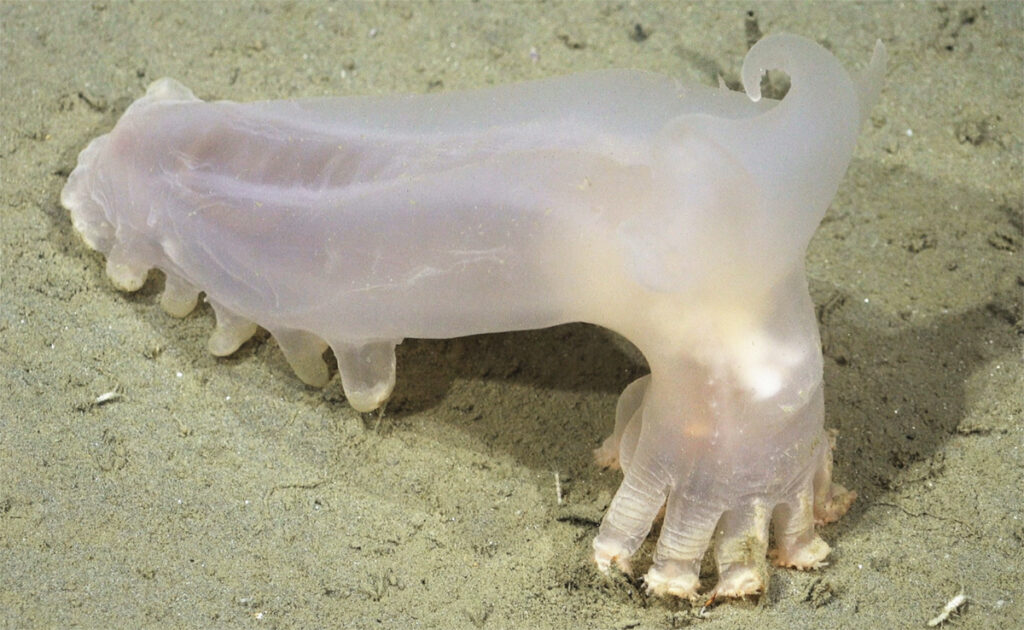
On 5 September, an ROV descended to around 5,400 metres expecting to find a relatively flat abyssal plain. Instead, scientists discovered unexpected geological relief supporting an impressive diversity of life, including at least six types of sponge, corals, anemones, sea cucumbers, shrimp, isopods, crinoids and worms.
Among the discoveries was a bamboo whip coral measuring around 1.6 metres tall which, according to NOAA, may represent a new depth record for this type of coral.

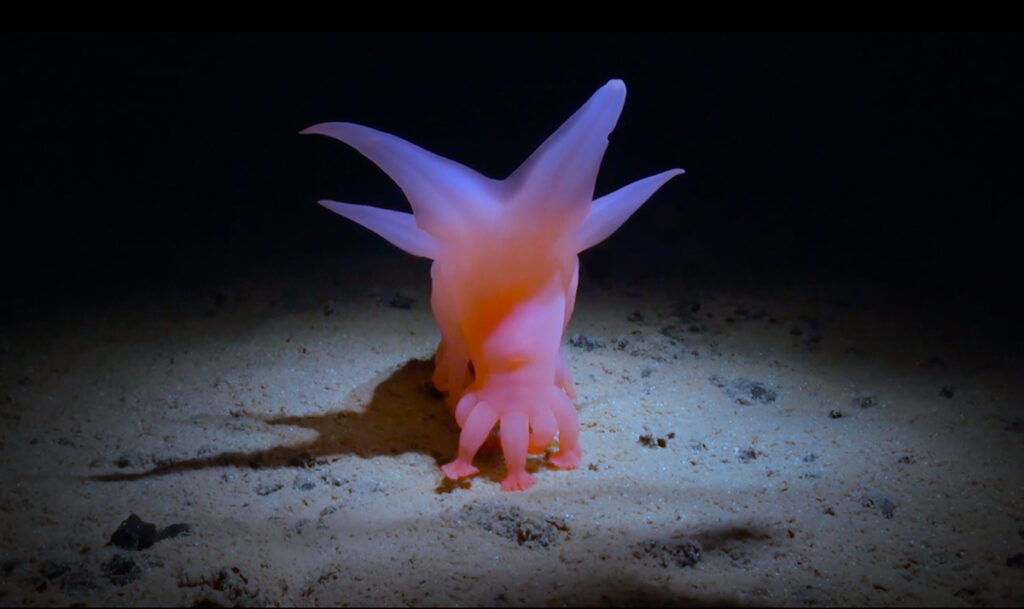
Another dive, on 7 September, reached almost 5,900 metres and documented glass and carnivorous sponges, worms, crustaceans, sea cucumbers, crinoids, anemones and black coral. Scientists also encountered unusual yellow rocks thought to be elemental sulphur.
The expedition is also examining extensive fields of polymetallic nodules. These mineral-rich formations provide hard surfaces that deep-sea animals can use as habitat, while potentially containing economically valuable critical minerals.
On the latest dive, scientists descended to 5,547 metres in the East Samoa Basin to investigate another nodule field, collecting biological and water samples for environmental DNA analysis alongside observations of the seafloor ecosystem.
With much of American Samoa’s deep ocean still poorly understood, the expedition is helping establish a baseline picture of ecosystems that few people will ever see.
All data collected during the expedition will ultimately be made publicly available through NOAA’s archives.
Source: NOAA Ocean Exploration