Photographing Caribbean Reef Sharks in Nassau, New Providence, Bahamas

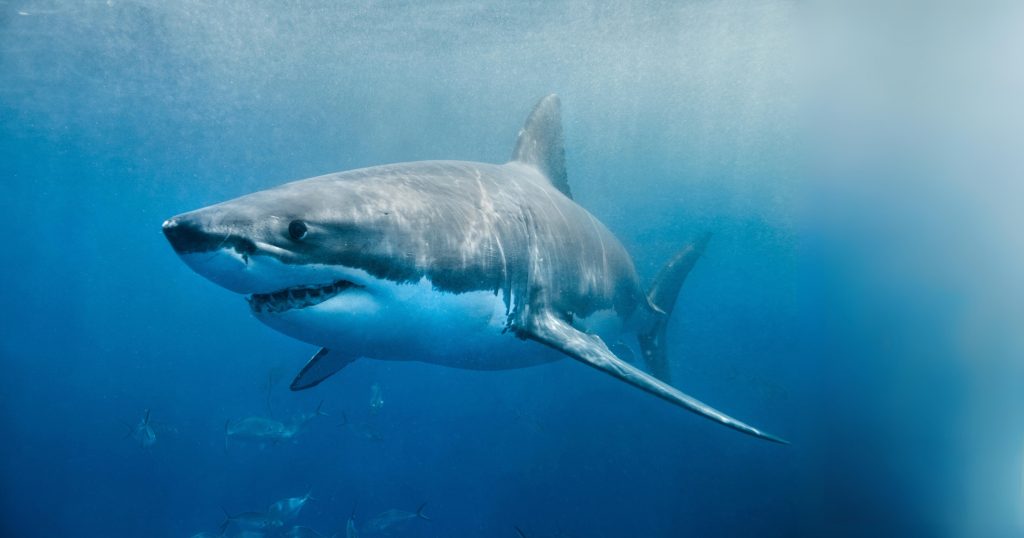
 On our second piece about photographing sharks in the Bahamas, we head to New Providence Island, to dive out of Nassau with Stuart Cove. This dive centre is probably the most famous in the Bahamas, and perhaps even the whole Caribbean. Stuart originally opened the centre in 1978 and it has grown into a really impressive operation. Whilst it is a large dive centre, with lots going on, it does not feel like it when you arrive. The staff are all friendly and professional and so you feel comfortable and at home right away. We were greeted by Stuart himself, before grabbing our gear and jumping onto a boat to go and dive with Caribbean Reef Sharks.
There are a number of different types of shark diving here. You can photograph them on the reef, cruising over colourful corals in shallow water. You can photograph them on and around wrecks, which have been sunk deliberately to create new habitats for the marine life and a playground for divers and underwater photographers alike. You can also dive with a shark wrangler on a shark feeding dive, who will feed small pieces of fish to the sharks via a long metal stick. We tried all three and each offers different photographic opportunities.

The reef dive is great for those who want to try this for the first time, and want a more chilled out experience. A metal box with a few fish heads inside is placed on the seabed, away from any delicate coral. The sharks are attracted in by the smell and will cruise around the area. You can then find the most photogenic area, where you want to photograph a shark, and wait. We had around 10 sharks on this dive for a full 80 minutes. We photographed divers with each other alongside the sharks, the sharks out in the blue, as the reef dropped away from the shallows, and also by some beautiful sea fans to show them in their natural environment.

 However, our favourite dive was the wreck dive. Once again, a bait box was taken down by the guide, but this time it was hidden deep inside a small wreck called Big Crab. Again the sharks were attracted in by the smell, and this resulted in a dozen or so reef sharks circling the artificial reef. It made for some wonderful photography. The wreck is in shallow water (less then 10m I think) and the water was warm, blue and clear. We could have stayed there all day! You could shoot from inside the wheelhouse of the wreck looking out through the windows and catching a shark as it cruised past, or you could shoot from outside the wreck to catch the full dramatic effect.
Our final dive was the shark feeding dive. This is an adrenalin rush of a dive, as the sharks are moving more quickly and come very close as they position themselves in the hope of getting a fishy snack from the feeder. The “wrangler” will wear chainmail for this dive for protection from accidental nips from overexcited sharks. A piece of fish is taken out of the bait box, one at a time, on the end of a metal stick, and raised up into the water column for a shark to grab. Whilst I preferred the wreck dive, this is a fantastic dive to get great shots with sharks and divers together in the water.

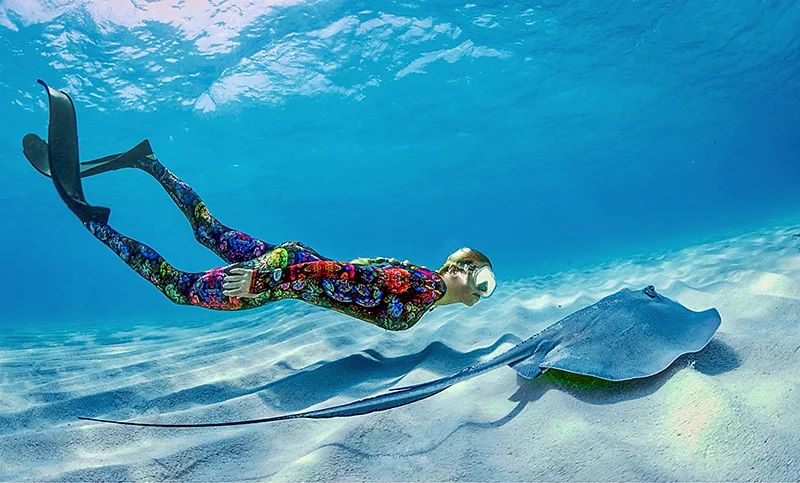
All too soon, it was time for us to move on to the next island for some more shark diving. Next time we visit Grand Bahama to look for tiger sharks and to spend a hard-earned day off playing with stingrays.
Further Information
For more from Nick and Caroline, visit www.frogfishphotography.com.