Marine Megafauna Foundation: Science with a Toothbrush

New study explains effective method for underwater-sampling of manta ray mucus as an alternative DNA source
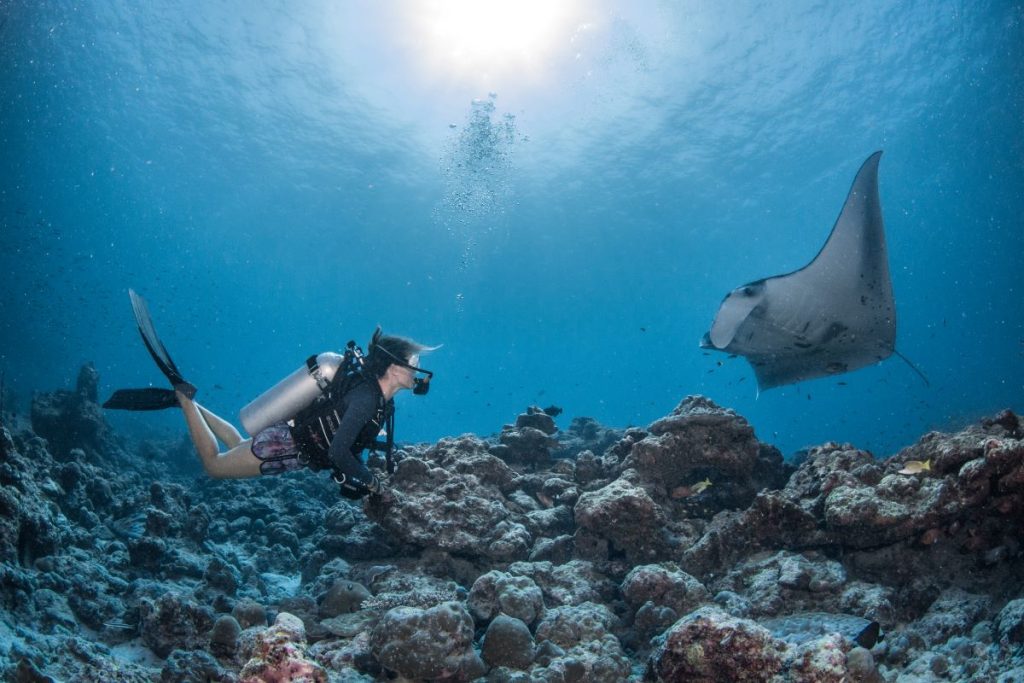
DNA-based population studies help to understand population structure, connectivity and population sizes. Apart from land-based sampling at fish landing sites, manta ray tissue samples are typically collected underwater while scuba or free diving using hand spears with punch tips. But this technique may be discouraged in some areas where manta rays are an attraction for tourists, due to the perceived fear that the sampling activity may harm the rays or change their behaviour, thereby impacting the tourists’ manta ray encounter.
Marine Megafauna Foundation researchers explored alternative methods to obtain DNA by collecting body surface mucus from wild manta rays using a toothbrush. The advantages of utilizing this method include a reduction in sampling equipment, a significantly reduced impact on the manta ray and acceptance of a non-invasive sampling protocol by tourists in vibrant tourism areas.
This important new study demonstrates that DNA from manta ray mucus collected utilizing this method can reliably be used in PCR-based population genetic studies. This study is the first example involving underwater collection of mucus by scuba divers and was shown to be an effective, low-cost option to traditional sampling techniques. While this study was conducted on manta rays, it was the first to test the feasibility of this sampling method in the wild and the usefulness of mucus to genetic studies in elasmobranchs, creating new opportunities to apply this technique to other species within this group of threatened marine species.
For more information, View or download the full paper.
To find out more about the Marine Megafauna Foundation, visit www.marinemegafauna.org.