Government backs student microplastic survey

A global citizen science project begun by a university student has won the backing of the UK government’s Environment Agency.
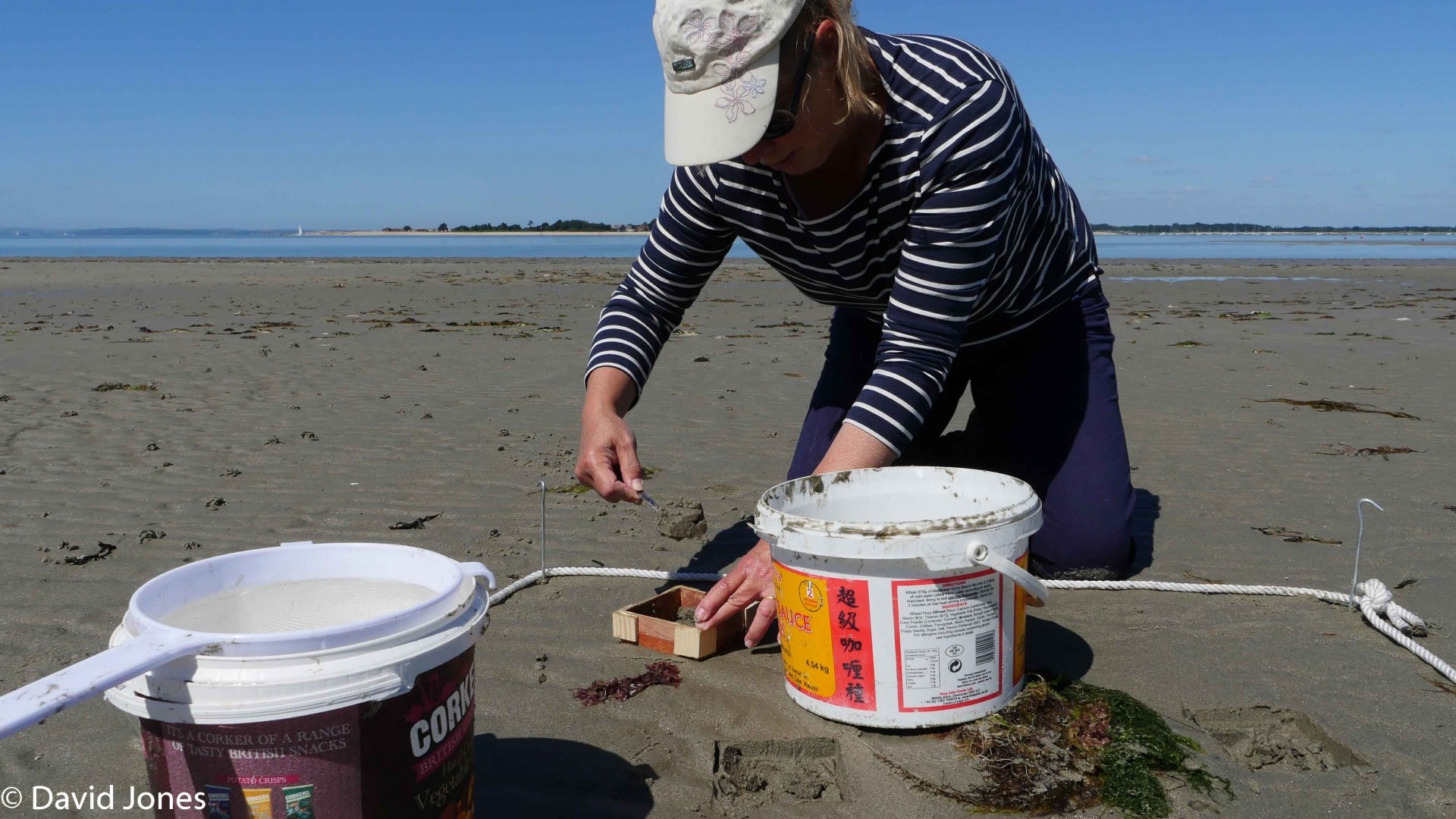
University of Portsmouth PhD student David Jones launched The Big Microplastic Survey, thought to be a world-first, in an attempt to measure the microplastic pollution rates on beaches and riverbanks worldwide.
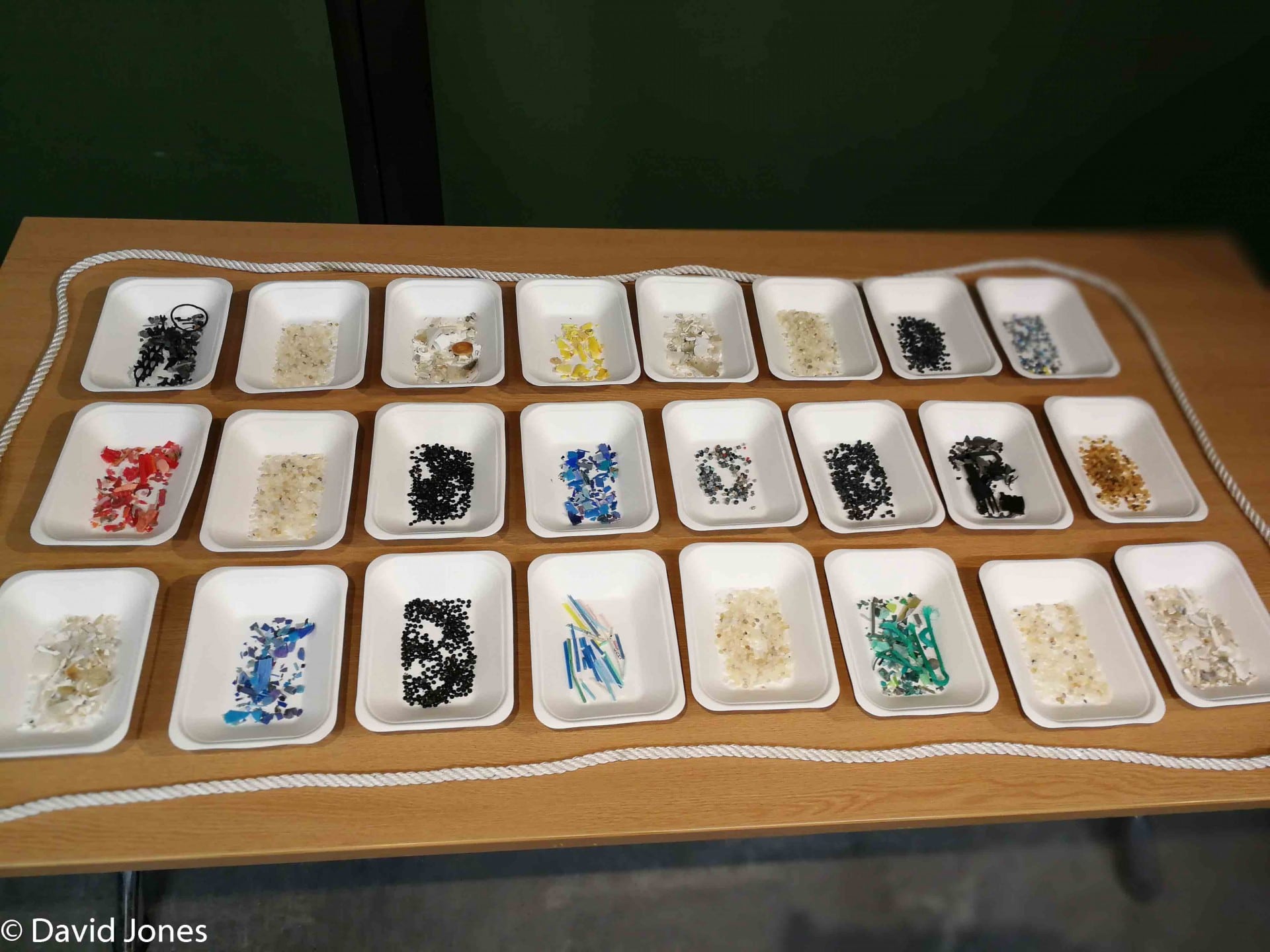
Microplastics are small fragments of larger plastic waste which have broken down to 1mm-10mm in size, which means they tend to escape the attention of beach clean-ups.
They are known to cause serious harm to wildlife and, it is thought, to humans once they reach the food chain.
Within days of launching the survey, volunteers had signed up in Hawaii, Mozambique, Australia, Mexico, South Africa, the Netherlands and across the UK.
David said: “One of the biggest global issues affecting our oceans is microplastics and while much of the focus of attention at the moment is on cleaning the bigger pieces of plastics from our beaches, we know that microplastics are having a devastating impact on the environment. They are being ingested by fish and birds and getting into the food chain. They are also having an impact on human health and we need to know more. This project is all about getting people involved and gathering lots of data.”
The Environment Agency has thrown its weight behind David’s survey by getting its monitoring teams to survey 22 Devon and Cornwall beaches on September 6.
It is also calling for more volunteers to join the survey across Britain.
Bruce Newport, head of the Environment Agency’s plastics and sustainability team, said: “We are committed to making plastic pollution a thing of the past. We have partnered with the University of Portsmouth to collect samples of microplastics from our beaches for scientific analysis. The results will tell us the abundance, source, type and characteristics of the plastic found, which is essential if we are to understand the global plastic problem better and direct resources to solve it effectively.”
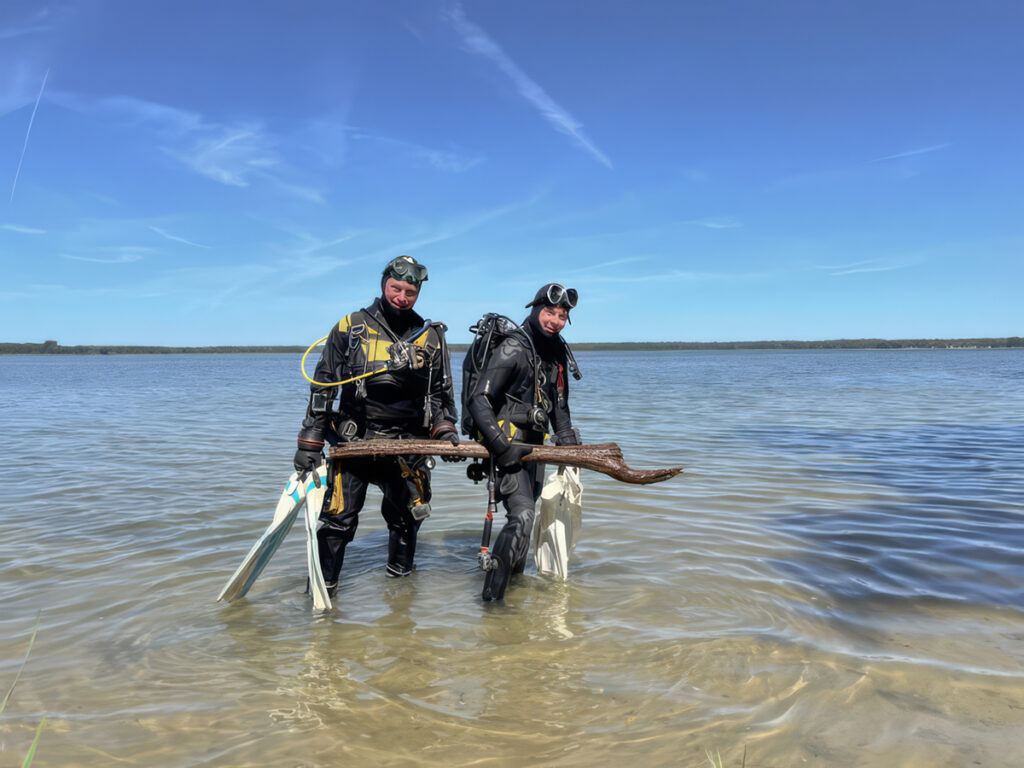
David is a leading anti-plastics campaigner, a deep sea diver, underwater cameraman and former military officer who founded not-for-profit organisation Just One Ocean.
He said: “While much of the public’s focus is on cleaning up the larger pieces of plastic from our beaches, the biggest threat to wildlife and human health is the ever increasing amount of microplastics. The responsibility for protecting our coastal and marine environment belongs to us all.”
Research to measure the distribution and scale of the microplastic problem is essential, David says, if we are to develop strategic plans to prevent this crisis becoming a catastrophe.
The survey is also open to anyone visiting a beach, riverbank or lakeside anywhere in the world.
The University of Portsmouth will provide research facilities for the management and analysis of data and will be a focus point for further research as the project develops.
The survey is ongoing and anyone can take part at any time. The method is simple and instructions for taking part are on: http://microplasticsurvey.org/
To keep up to date with this project you can also visit: