Future Focus: Liv Barnett

In each instalment of Future Focus, we speak with past and present students of the Marine & Natural History Photography BA(Hons) course at Falmouth University about their experiences, challenges, and successes on the course.
 Liv Barnett – Alumni
(Graduated Marine and Natural History Photography, Summer 2025)
Gina: Liv, you decided to move from the Cayman Islands to the UK to study marine and natural history photography. How did you find out about this degree?
Liv: I went to boarding school in Scotland for two years and began learning photography there. I loved taking pictures, especially of nature, and had an amazing teacher who encouraged me. When researching courses, marine and natural history photography at Falmouth was the only one specifically aligned with my interests.
Gina: Was there a particular part of the course that piqued your interest?
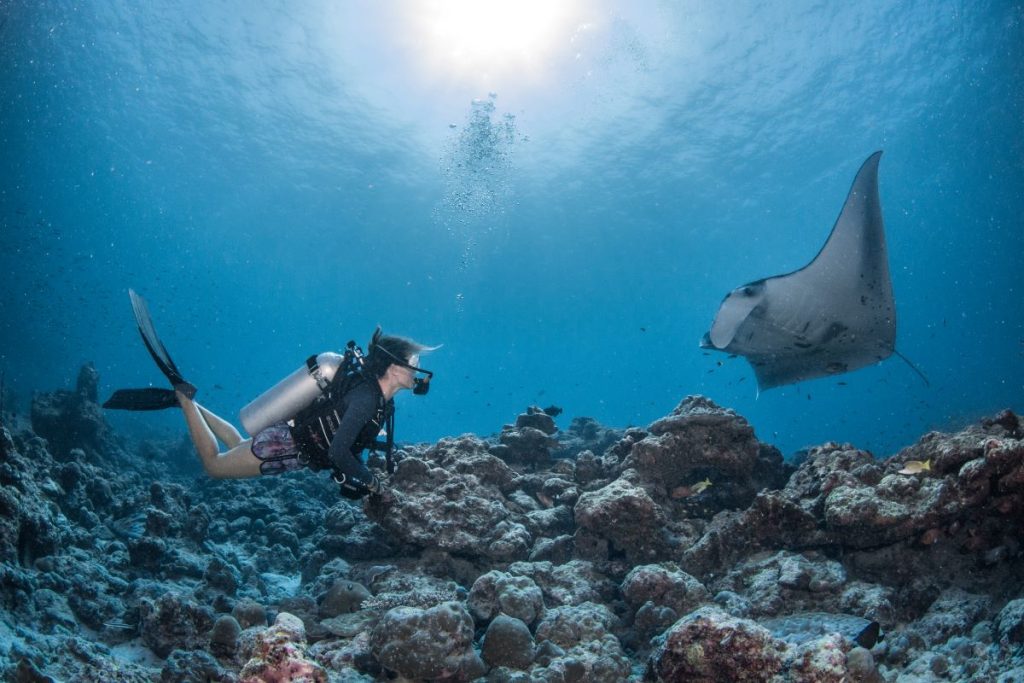
Liv: Yes, definitely. While doing A-level photography, I got my first TG6 camera and began diving. I loved it immediately. When I discovered Falmouth’s course taught underwater photography, including camera handling and diverse techniques, I was sold.
Gina: You had some underwater photography experience before joining?
Liv: Only basic point-and-shoot photography. I was starting to grasp aperture and basic camera functions, but nothing extensive.


Gina: What were your expectations from the underwater photography module?
Liv: I’ve always loved nature and enjoyed magazines like NatGeo. Growing up in Cayman, surrounded by marine life, inspired me to capture my diving memories. Underwater photography seemed perfect for preserving those experiences and further exploring my passion.
Gina: So, you successfully joined the course. Were you apprehensive about anything initially?
Liv: Yes, I was nervous about the course structure because it differed significantly from A-levels—there was more independence. Also, I was apprehensive about diving in the UK since I’d never experienced cold-water diving and had to achieve Rescue Diver certification.
Gina: How was your first cold-water dive?
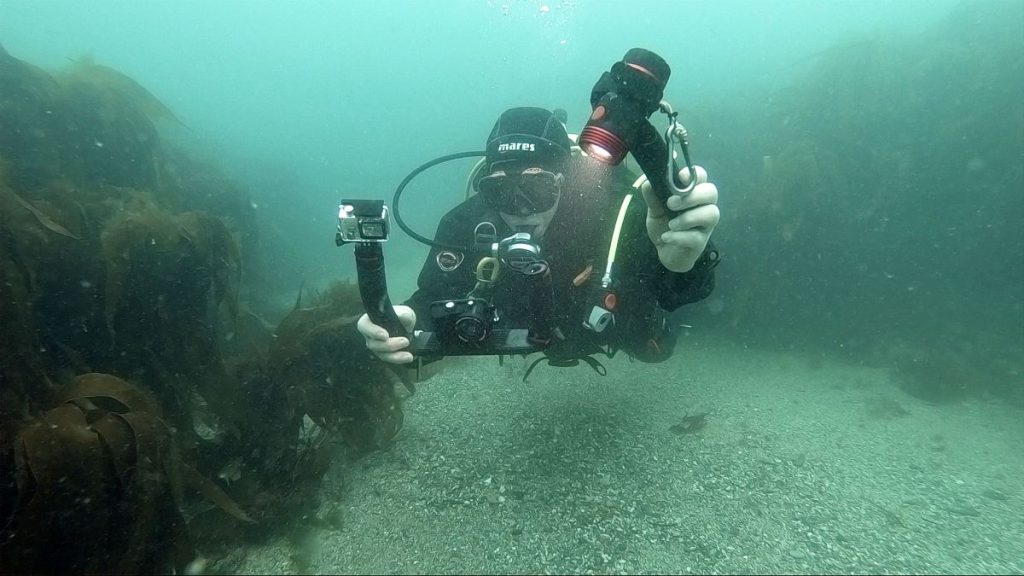
Liv: Incredible! Initially, the cold was a shock, and the 7mm wetsuit felt restrictive, but once underwater, seeing kelp and marine life like the Tompot Blenny was amazing. The visibility far exceeded my expectations.
Gina: Did Falmouth support you adequately for that dive?
Liv: Absolutely. Everyone was supportive, ensuring no pressure, offering practical help like additional weights for buoyancy, and continuous support throughout.


Gina: Describe a typical week as an underwater photography student.
Liv: Each week involved scheduled lectures, optional technical tutorial sessions for equipment inductions, and practical dives. Falmouth has exceptional equipment available for students once inducted.
Gina: Did lectures effectively prepare you?
Liv: Definitely. Lectures emphasized crucial skills like lighting techniques, framing, and using different lenses. Pool sessions helped practice these skills before moving to open-water dives, ensuring thorough preparation.
Gina: How are dives organized?
Liv: After initial equipment inductions, we booked gear, completed risk assessments, ensured we had dive buddies and surface support, and then dove. The dive team was always available to resolve any issues. More advanced gear was introduced in the second year.
Gina: What did you enjoy most about the underwater photography course?
Liv: Capturing my first successful UK underwater photo—a Tompot Blenny. It encapsulated exactly why I love underwater photography: showcasing incredible marine life.
Gina: What does a typical dive day look like?
Liv: We met at the dive site, received safety and motivational briefings, checked gear, and dove. Afterward, we reviewed our images and discussed improvements. Occasionally, we managed multiple dives in one day.


Gina: Describe the dive team at Falmouth.
Liv: The team, including Gina, Jane, Helen, Elle and Ruby (the dive dog), is incredibly supportive. Gina provides educational feedback, while Jane and Helen manage equipment, troubleshoot issues, and support students continuously.
Gina: How much has your work improved since starting?
Liv: Dramatically. Initially, I was cautious, learning basics. By the third year, I was confidently experimenting with advanced techniques like slow shutter speeds and specialized lenses, resulting in professional-quality images.
Gina: What’s your proudest achievement?
Liv: Probably my rock pool project in the third year. It was accessible, diverse, and creatively fulfilling, showcasing incredible marine biodiversity.
Gina: Tell us more about your rock pool project.
Liv: Originally, I planned to photograph in Cayman but chose UK rock pools for their accessibility and year-round availability. Using varied equipment, from Olympus and Nikon cameras to specialty lenses and strobes, I captured vibrant marine life. Every visit was unpredictable and exciting.
Gina: Were you surprised by the biodiversity?
Liv: Absolutely. The diversity was astonishing—far exceeding my initial expectations. Seasonal changes brought unique sightings, including rare jellyfish swarms.

Gina: Do you feel prepared for a career in underwater photography?
Liv: Definitely. The skills I’ve gained are comprehensive. Now, it’s about continuing to dive and building my own equipment setup.
Gina: Advice for prospective students?
Liv: If you’re passionate, definitely join the course. It provides unmatched resources, strong community support, and structured skill development you can’t find elsewhere.
Gina: Any advice for current students?
Liv: Build strong connections, experiment extensively, and leverage the dive team’s expertise. Networking and peer support are essential.
Gina: Would you choose this degree again?
Liv: Without a doubt. It was perfectly aligned with my aspirations and exceeded my expectations.
Click below for more details about Falmouth University’s Marine & Natural History Photography course:
https://www.falmouth.ac.uk/study/undergraduate/marine-natural-history-photography