Dive that Funky Thila

A Guest Blog by Jaidev Karunakaran with images by Tunjay Sadikoglu.
I knew I was going to have a special trip when I saw the dolphins. Not just one or two, but a whole pod of them: racing ahead of the boat, slicing in and out and exploding out of the water, spinning and twirling and crashing back in. It was like they’d spent years performing in a water park show, had escaped, and were now putting on a performance just for fun, exulting in their freedom.
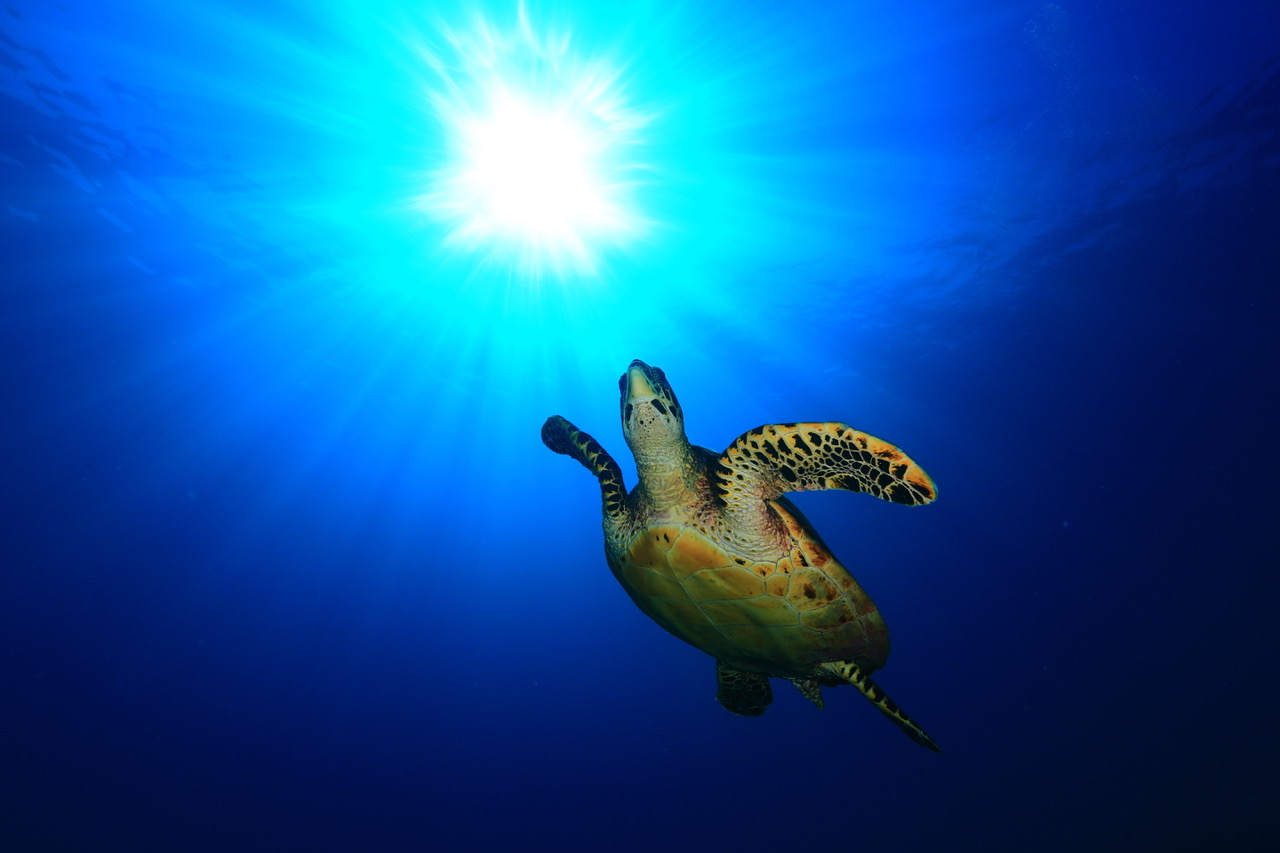
I knew I was going to have a special trip when I went snorkelling and saw four hawksbill turtles. One was close enough to touch, lying in a sandy clearing surrounded by coral.
But all these good omens did little to prepare me for what I saw when I went diving.
I was in Gaafu Dhaalu Atoll in the Maldives, to see for myself the good things I’d heard about diving in this southern part of the country. The area around Male atoll, in the central part of the country, is the most developed resort wise, and as a result what most people see when they dive. Though it provides rewarding experiences and one sees a lot of fish, it has suffered due to development, pollution and coral bleaching. One gets the feeling of decay and forlornness in many dive sites, as though one is looking at a once-great civilisation, now in terminal decline.
This is not the case in Gaafu Dhaalu, as I was soon to discover.
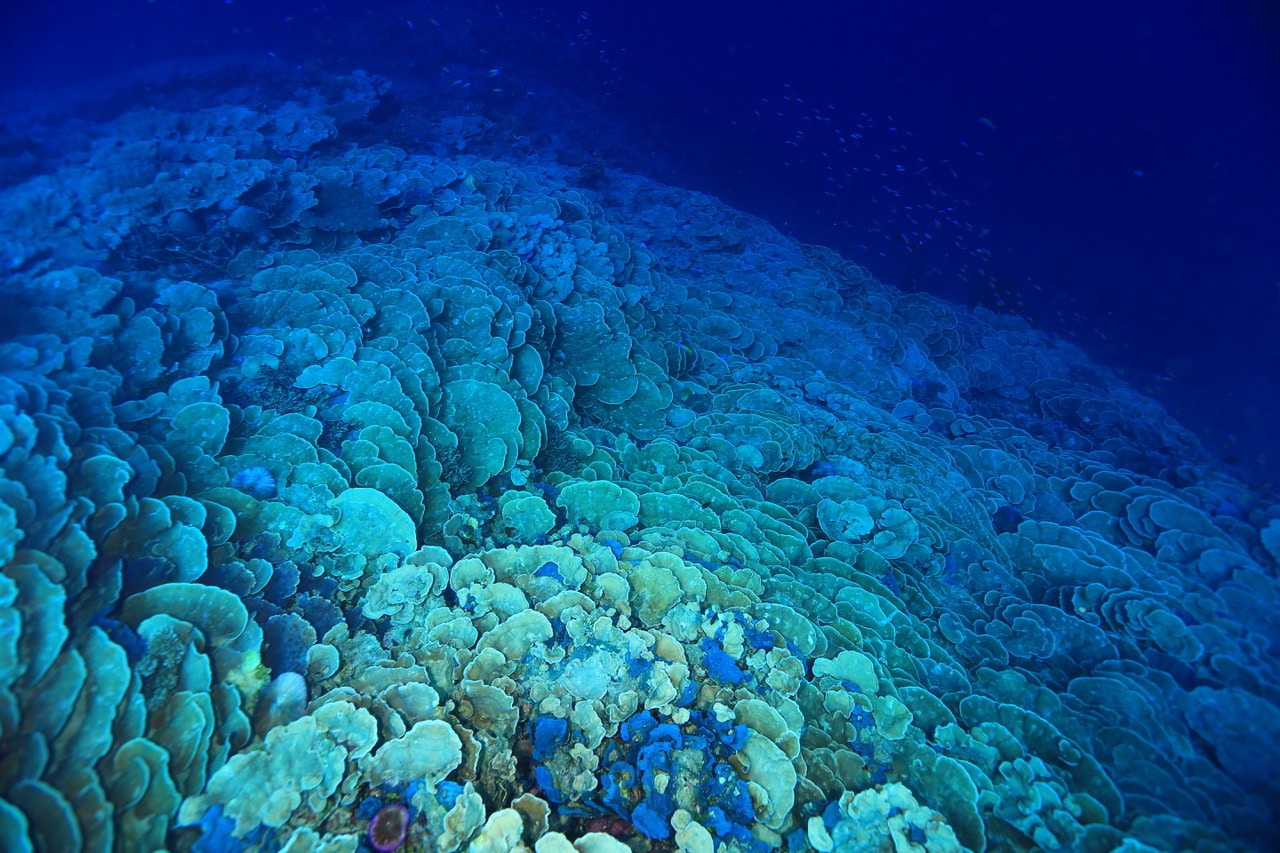
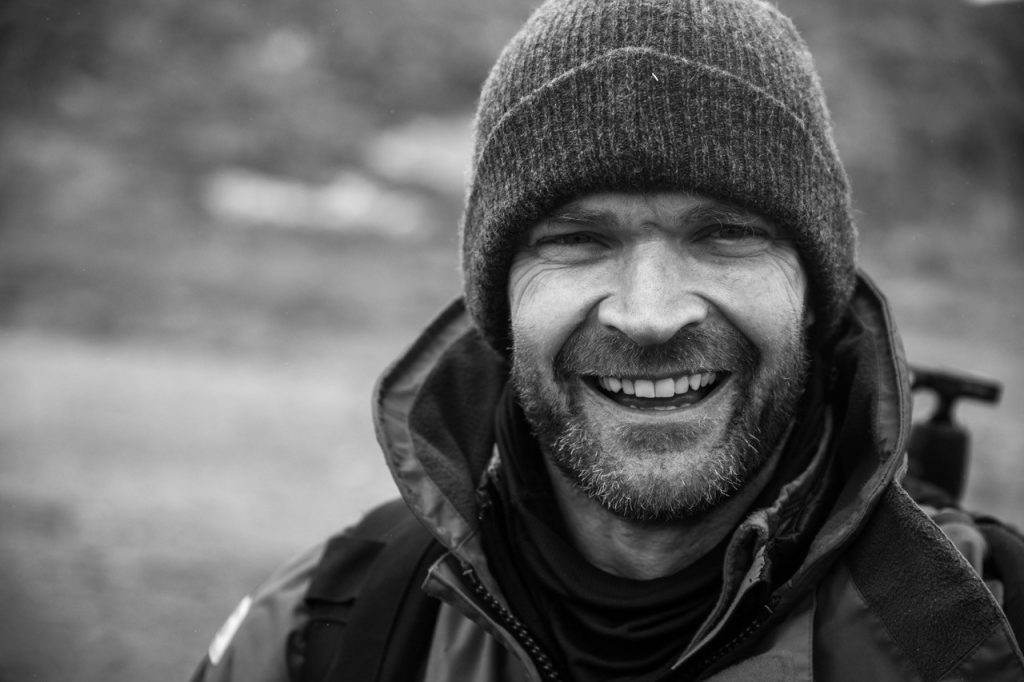
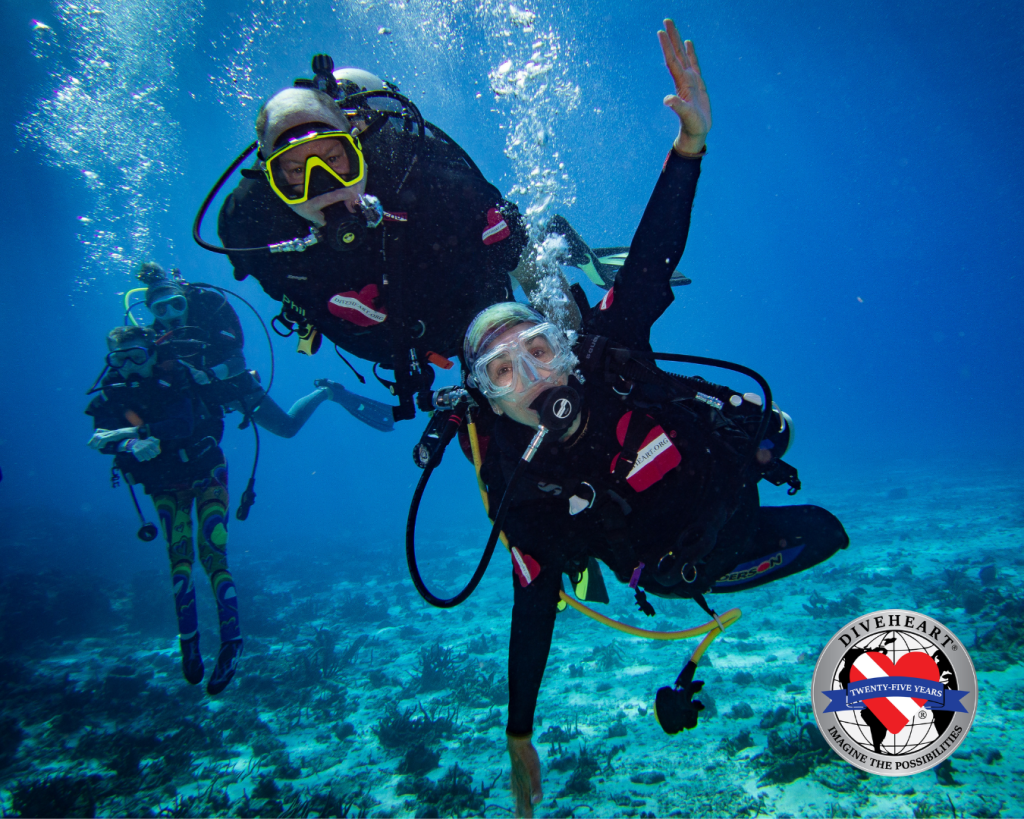
My dive buddy is Tuncay Sadikoglu, a grizzled Turkish Cypriot former paratrooper who’s swapped jumping out of helicopters to jumping out of boats and now runs a dive school called Dive Kingdom at Ayada Maldives, the best resort in Gaafu Dhaalu. The first dive site he took me to, called ‘Coral Garden 2’ was just that: a vast, undulating garden of corals in colours and shapes and sizes I’d never seen before, even on TV. This was no city in decline, this was a thriving metropolis teeming with the most colourful residents in every size from giant pelagics a few metres off the reef to tiny beautiful luminescent, incandescent fish darting in and out of ridges in the corals. We spent forty- five minutes floating over this beauty, like drones over some strange city, forgetting we were underwater. Finally, I could feel myself rising, the dive ending, the surface nearing, the surface being breached.
As we waited to clamber onto the boat, I began to wax effusive and rain superlatives on what I’d just seen. Tuncay just looked smug and said, “Wait until you see Fanka Thila. It’s like fireworks exploding everywhere.”
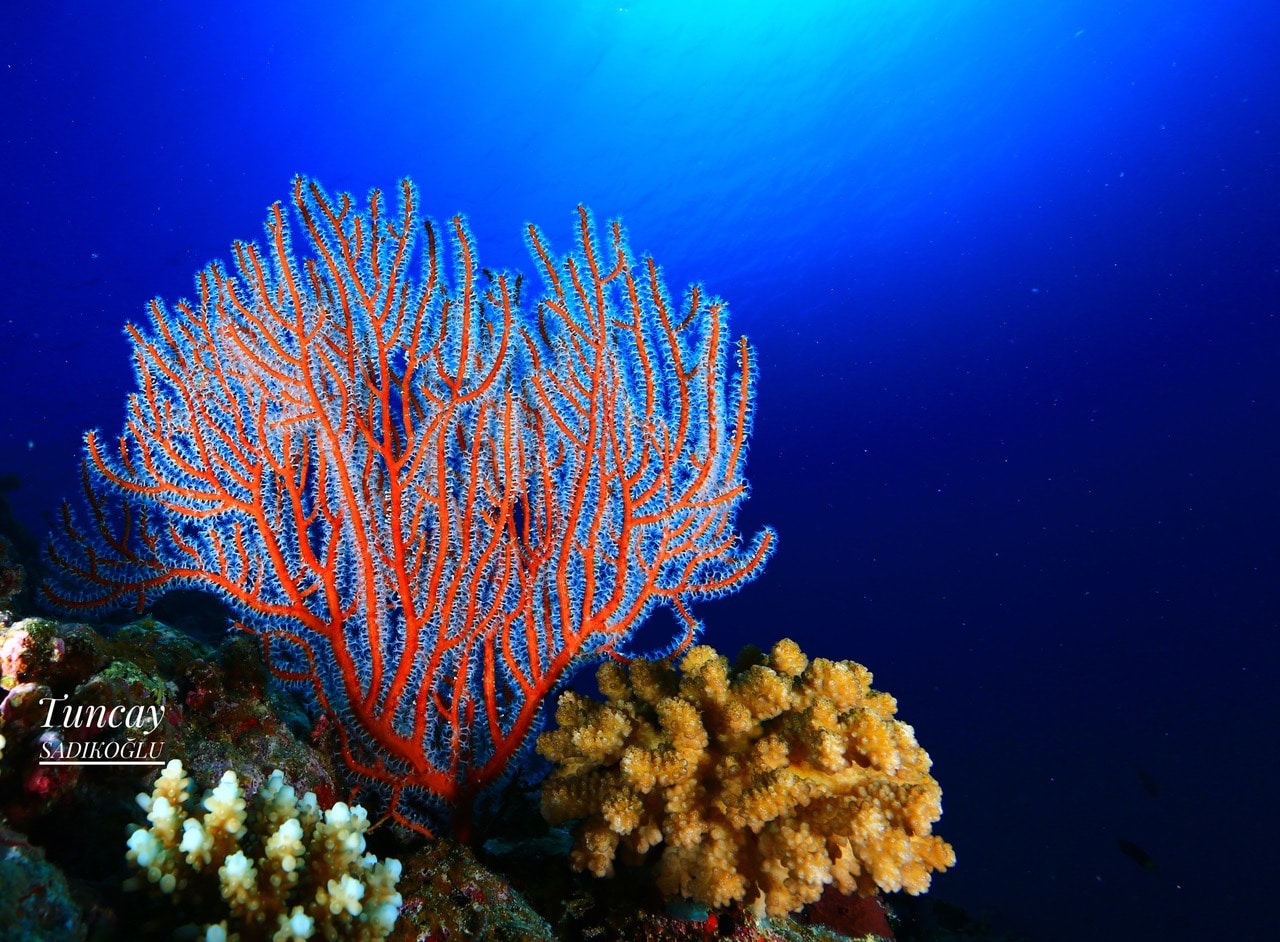
‘Thila’ means ‘underwater island’ in Dhivehi, the local language. It being low tide, Fanka Thila was just 12-13 metres below sea level and I knew Tuncay was right with my first glimpses of the place.
A white-tip reef shark was the first to greet us, then quickly scamper away. But it was the fish and coral that caught my attention. If Coral Garden 2 was a kind of semi-orderly informal garden, Fanka Thila was a tropical rainforest of outrageous exuberance, a multicoloured canopy mobbed by fish, with broad branches of red fan coral jutting out everywhere.
We saw many large clumps of sea anemones, waving wildly, and weaving in and out- beautiful yellow- and- white anemone fish, forever curious, forever timid. The largest lobster I’ve ever seen got out of a hole to shake its antennae at us, then backed off as we got closer. And everywhere the fish, in a profusion I didn’t think possible, in colours so bright and fluorescent, a literal explosion of fireworks in our eyes.
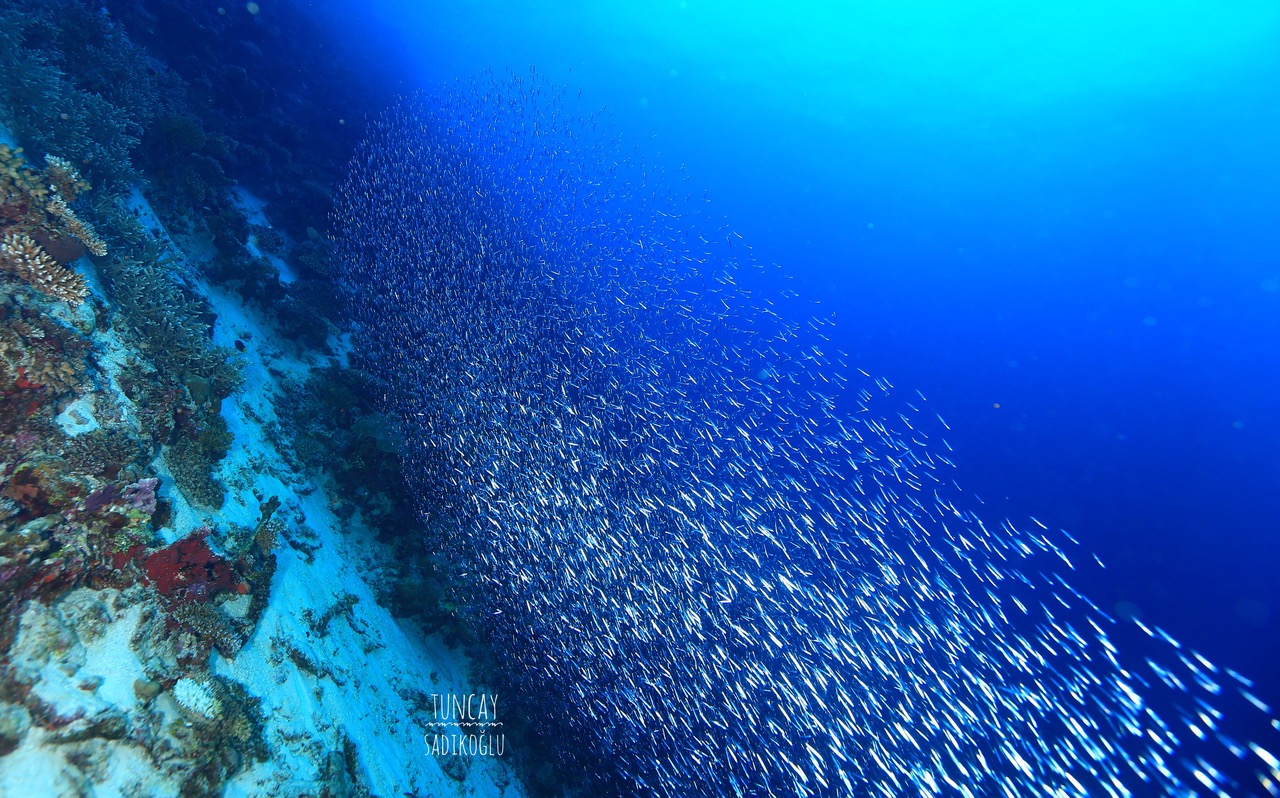
We were soon surrounded by a ball of glassfish so large that they blotted out the water around us and for a few moments we felt like we were in a shimmering, pulsing, darting black cloud. Then we were out and drifting over a slope of coral different from anything else I’d seen before- short, knobby, shiny brown ridges stretching out to the edge of the reef, reminiscent of grassland.
Tuncay uses this place as a marker to end his dives in Fanka Thila, so we started our slow descent to the top, me looking back to try and catch my last glimpses of the place.
All I could do the rest of the day was sing paens of Fanka Thila, and urge everyone I met to dive there at once.
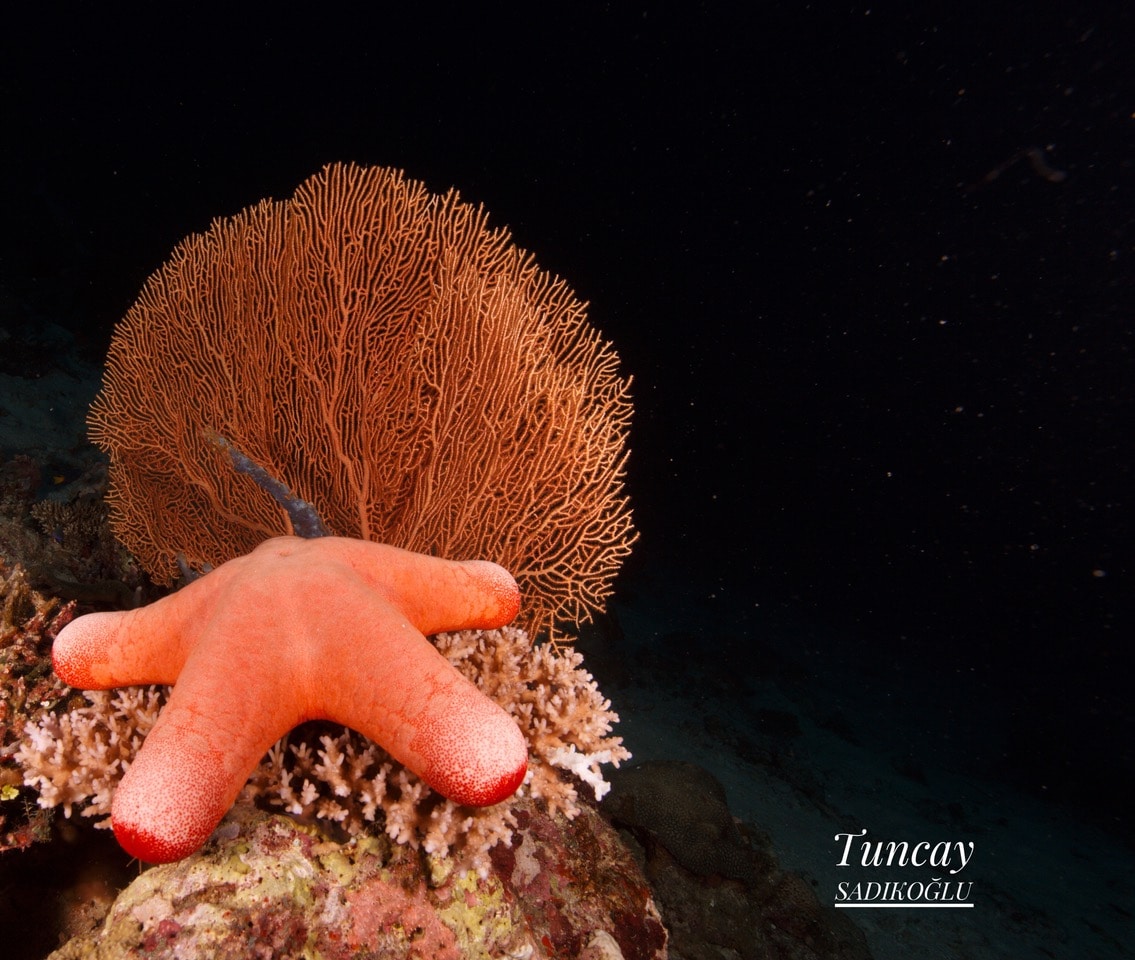
Fanka Thila is not a place to see big fish like mantas or whale sharks. The biggest animals you see here are white tip reef sharks and turtles. But Fanka Thila is a place where the little guys, the corals and anemones and pretty fish, take the big stage and put on a great show. And, as audience, all we have to do is applaud and look back in wonder.
Fact File
Gaafu Dhaalu Atoll is easily accessible from Kaadedhdhoo Airport, which is about an hour’s flight by Maldivian from Male Domestic Airport.
Kaadedhdhoo airport is one hour by speedboat from Ayada. Flights also land thrice a week at Maavarulu airport, which is twenty minutes from Ayada by speedboat.
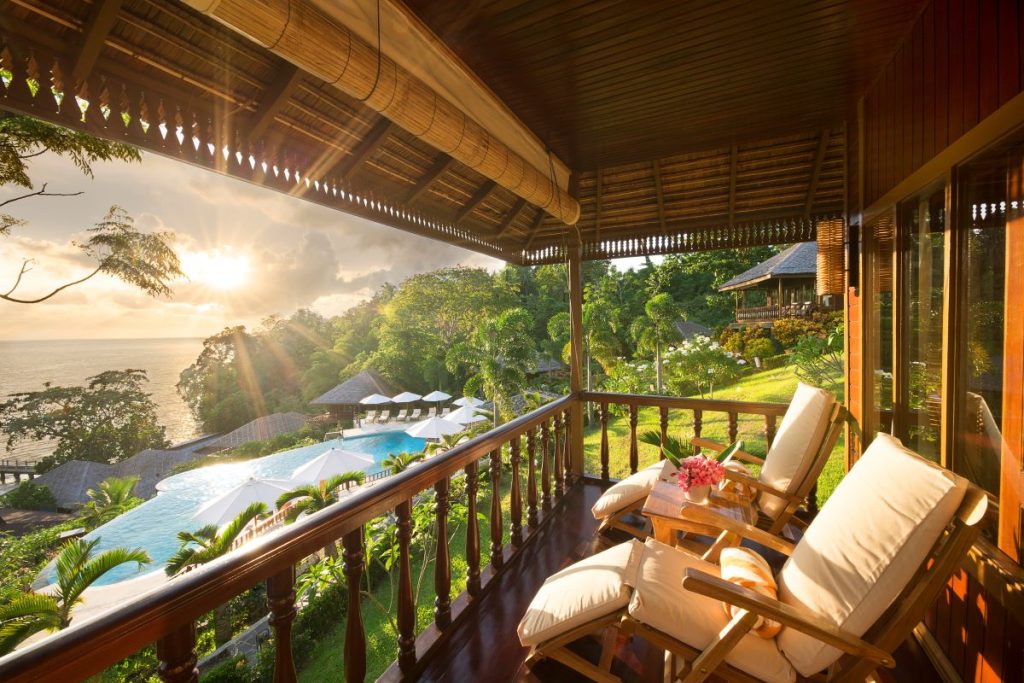
While Ayada is the best place to stay, there are other more affordable resorts in the vicinity. One can also stay in a guest house at Thinadoo, a short ferry ride from Kaadhedhoo.
Jaidev Karunakaran worked in Male’ for four years, where he learnt to dive. He has dived in Male, Baa, Raa, Ari, Gaafu Dhaalu and Addu atolls and seen mantas, reef sharks and whale sharks. He has also dived the British Loyalty, the biggest wreck in the Maldives.