Deborah Meaden calls out washing machine manufacturers for lack of action on plastic pollution

 Deborah Meaden is joining forces with the Marine Conservation Society on its Stop Ocean Threads campaign which is calling for all washing machines to have microfibre filters fitted, by law, by 2024. The campaign is now turning its attention to washing machine manufacturers, as they have made little progress in taking steps to reduce microfibre pollution.
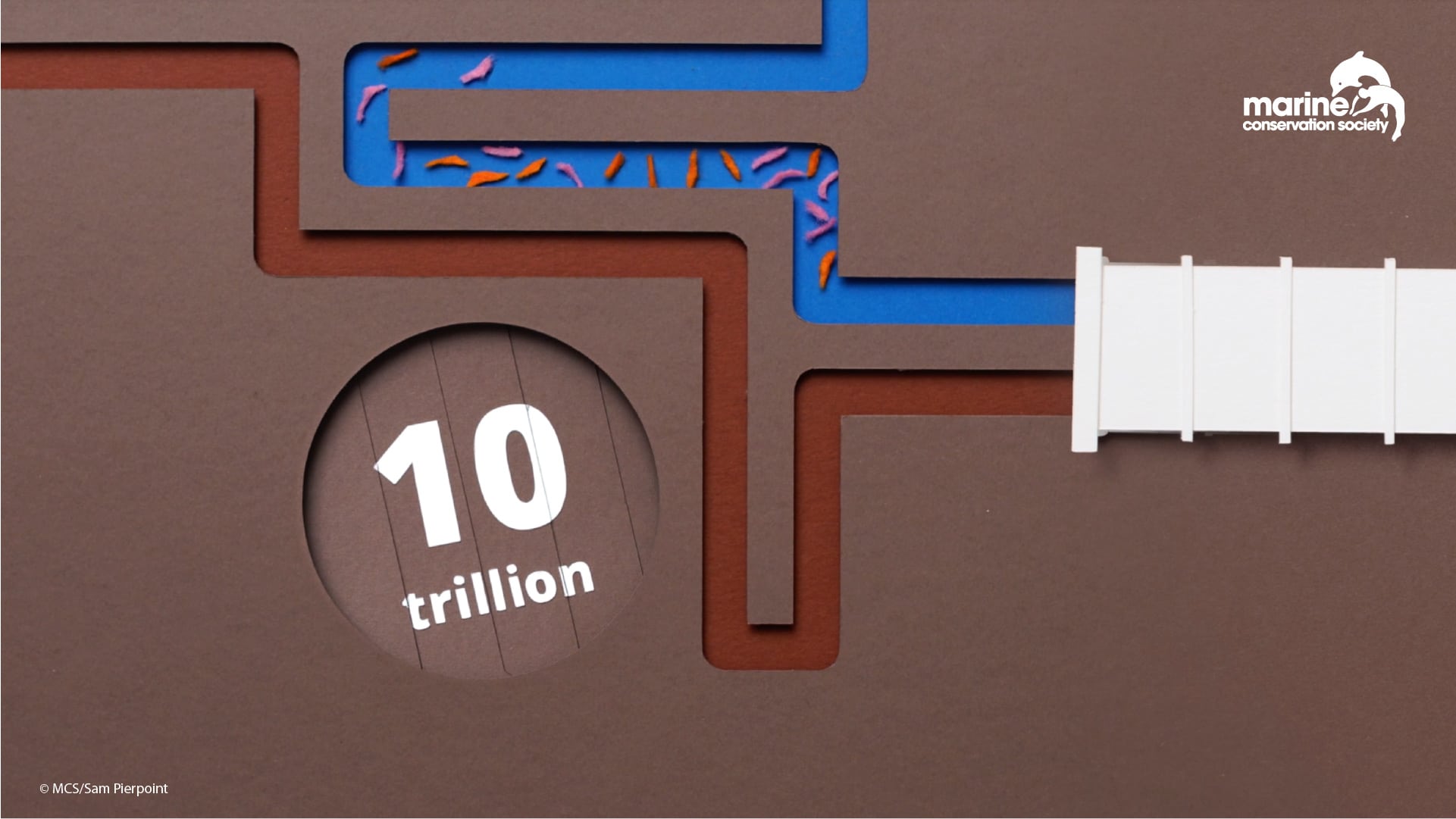
Fabrics such as polyester, nylon and acrylic are created using plastic microfibres. For every load of laundry washed, as many as 700,000 microfibres can flow into our water systems and across the UK at least 9.4 trillion fibres could be released into the environment in one week alone. These fibres are heading for our seas, and our plates! 63% of shrimp in the North Sea have been found to contain synthetic fibres. Microfibres have even been found in the remote reaches of the Arctic Ocean, miles from the nearest washing machine. Scientists found an average of 40 microplastic particles per cubic metre of water, 92% of which were microfibres.
Since the campaign launch, the charity has garnered public support for fitting filters into washing machines to reduce microfibre pollution. So far, more than 30,000 people have shown their support for legislation which would require washing machines to be fitted with microfibre filters by 2024.
Hundreds of supporters joined the charity’s call on Twitter for manufacturers to take action late last year, targeting Miele, Beko, Hoover, Bosch, Samsung and Whirlpool. However, there was no response from the manufacturers. There is no need to wait for legislation to be put in place before making sustainable strides, and so the Marine Conservation Society is working alongside Ocean Ambassador and Dragon, Deborah Meaden, to make a business case for fitting filters in washing machines as soon as possible.
Deborah Meaden said: “I was shocked when the Marine Conservation Society told me that washing machine manufacturers still don’t fit microfibre filters to their machines. These filters would stop millions of tiny pieces of plastic from our synthetic clothes escaping into waste water systems and ultimately the ocean. I’m not being dramatic when I say these filters need to be fitted right now. If the next generation of machines don’t have them, the plastic soup in our oceans is just going to get thicker.”
Consumers are clearly willing to pay extra for a washing machine with environmentally-friendly credentials. In a survey conducted by YouGov last year, 56% of adults said they would be willing to pay an additional £5 or more for a washing machine that included a microfibre filter compared to one that didn’t, a quarter (26%) said they would be willing to pay an additional £50.
Plastic pollution in the UK is an issue of concern for many consumers. 58% of respondents said they were very or extremely concerned about the issue in a recent survey. By introducing microfibre filters into all new washing machines as soon as possible, manufacturers will be able to lead the charge in stemming the tide of microfibres entering the ocean every day and advertise their eco-credentials at the same time.
Deborah continues: “Who’s going to be the first manufacturer to stick their head above the parapet and massively improve their eco-credentials? Think of the business kudos and potential increase in sales if your machine is the first to market that will reduce plastic pollution right at source. For me it’s a simple business decision to make and you must make it now.”
For more information about the Marine Conservation Society’s Stop Ocean Threads campaign, please visit the charity’s website here.