Cuttlefish 101 With Pamela Jackson

Did you know that Cuttlefish have 3 hearts?
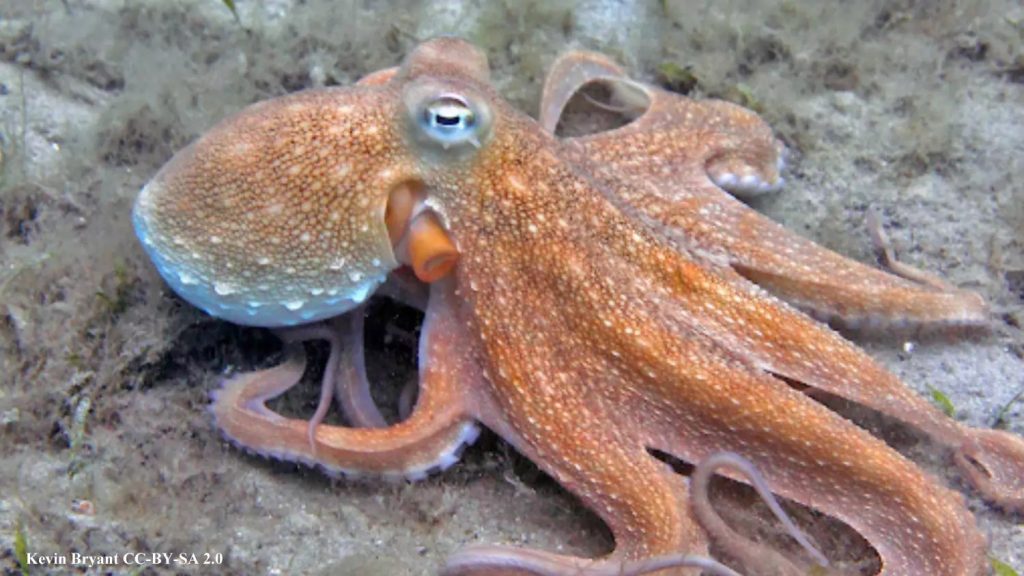
It’s true! This is a Cuttlefish but don’t let the name fool you – it’s not a fish. Cuttlefish are invertebrates and are considered Mollusks (which means soft body), in the Class Cephalopoda which includes Octopus, Squid, and the Chambered Nautilus. They’re fast swimmers that use jet propulsion and have an undulating body mantle for locomotion. Cuttlefish have eight tentacles (arms) lined with suckers on the underside and two elongated feeding tentacles. They have a beak that can deliver a venomous bite and…… greenish-blue blood. Super cool!
Cuttlefish are nocturnal hunters and hide and rest during the day. They are some of the smartest creatures in the sea due to their large brain-to-body size ratio. Their average life expectancy is about one to two years.
Cuttlefish have an internal structure called a cuttle-bone which is porous, made of Calcium Carbonite, and provides buoyancy. Interestingly enough, these oval shaped cuttle-bones are harvested and given to birds as a calcium supplement (which is why they smell fishy).
Cuttlefish use their ink sacs to squirt black ink to confuse and escape from predators. They have the added ability to use camouflage to evade sharks, dolphins, seals, sea birds, larger fish, and other cuttlefish. Cuttlefish are cannibalistic which means they feed on one another as well as eat fish, small mollusks, snails, clams, worms, crabs, and shrimp.
Known for their colorful flashing displays, Cuttlefish have special cells called chromatophores, pronounced (crow-Matt-uh-4’s), that can change color at the drop of a hat. Located within the skin, chromatophores allow the Cuttlefish to change skin color tone and texture to blend into their surroundings perfectly. Scientists have no idea how they do this because these animals are colorblind!
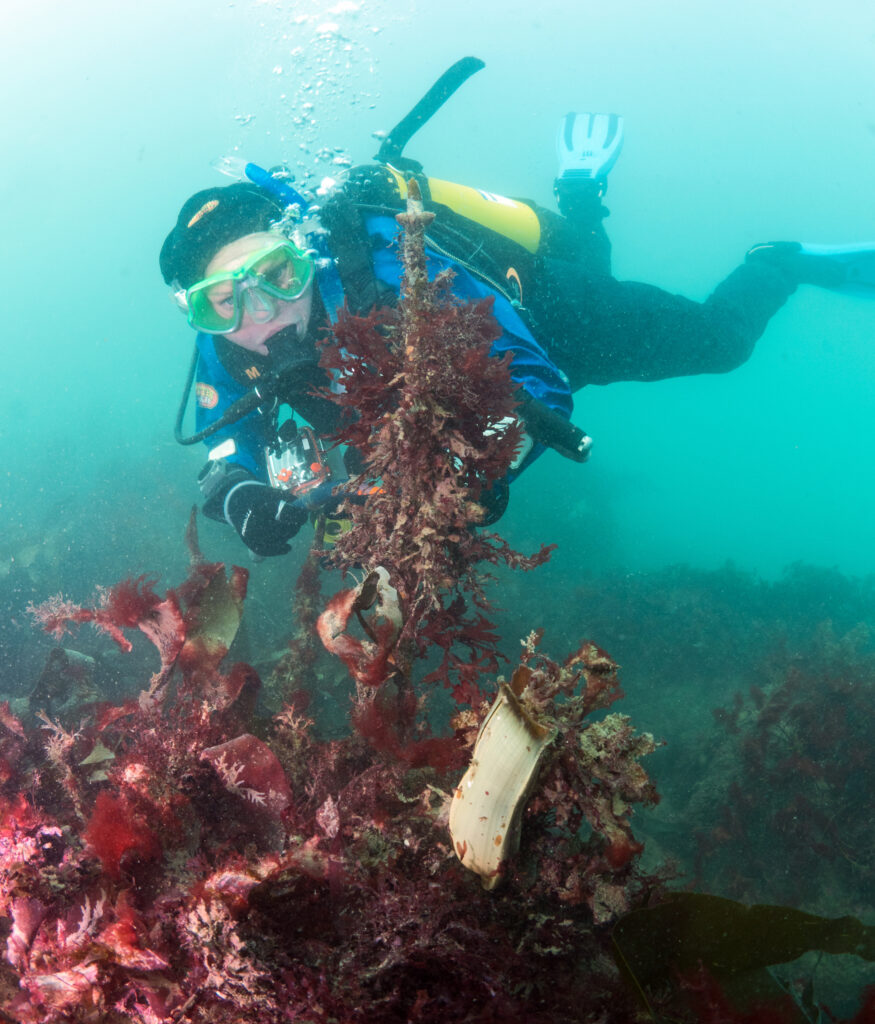
Find out more about marine life with Pamela at www.gotoceans.com.