



No Liveaboards found.
If you own a Liveaboard in Florida Keys & Key West, please CLICK HERE to register and get your business listed!

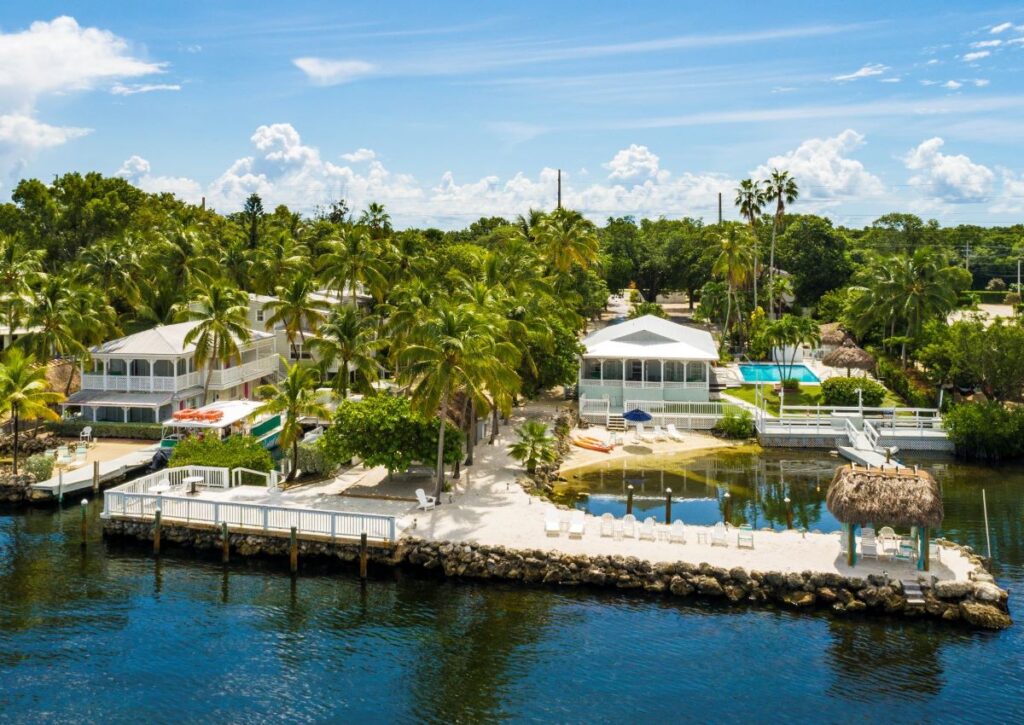
The Florida Keys are a chain of tropical islands in the USA stretching for more than 160 km (100 miles) southwest from the southern tip of mainland Florida. Linked by the Overseas Highway, the Keys begin with Key Largo and continue through Islamorada, Marathon and the Lower Keys before reaching the historic island city of Key West.
Each area has its own character. Key Largo is the gateway to the Upper Keys, while Islamorada is known as the Sportfishing Capital of the World. Marathon sits at the heart of the island chain, and the Lower Keys offer a quieter, more natural feel before the road reaches Key West, famous for its colourful architecture, historic streets, sunsets and laid-back atmosphere.
The Florida Keys are surrounded by warm waters and a mixture of tropical islands, mangroves and shallow flats, while the Gulf of Mexico, Florida Bay and the Atlantic Ocean all contribute to the region’s distinctive environment.
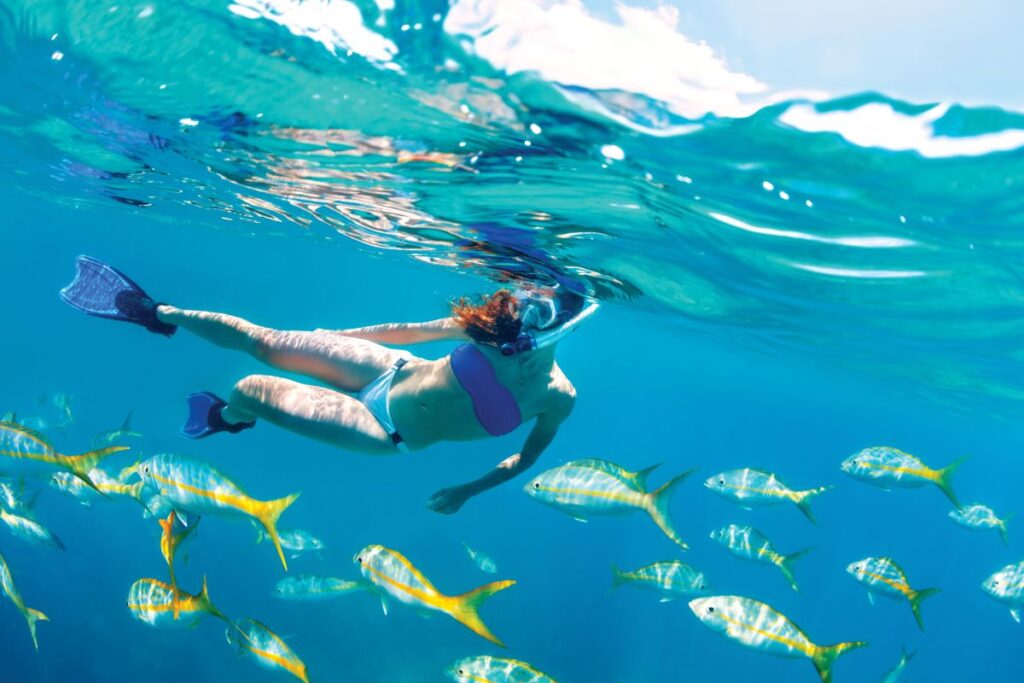
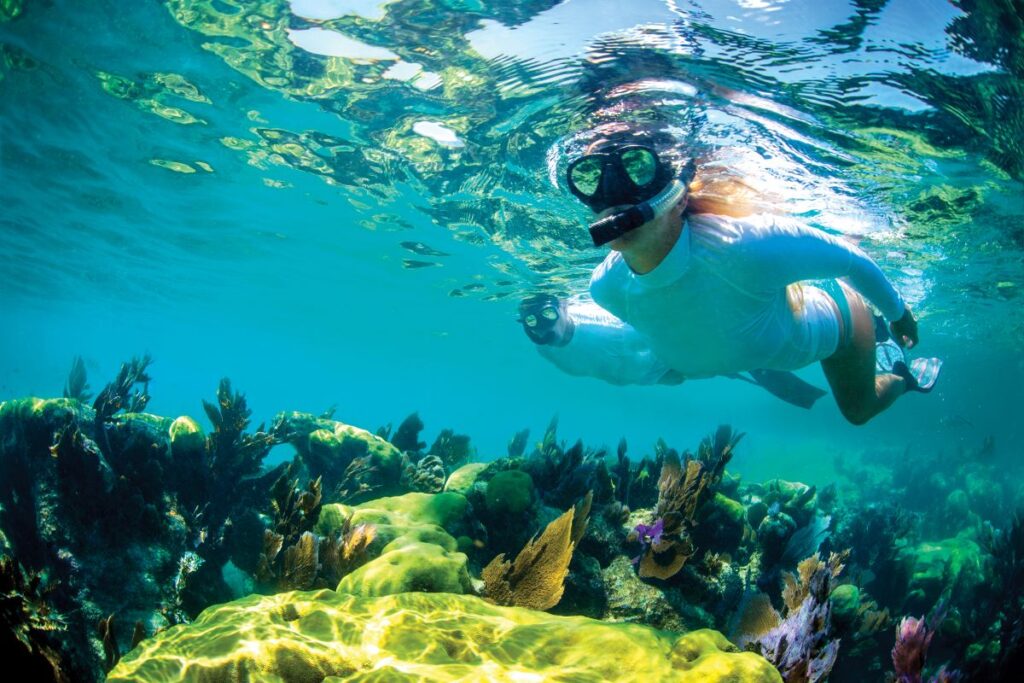
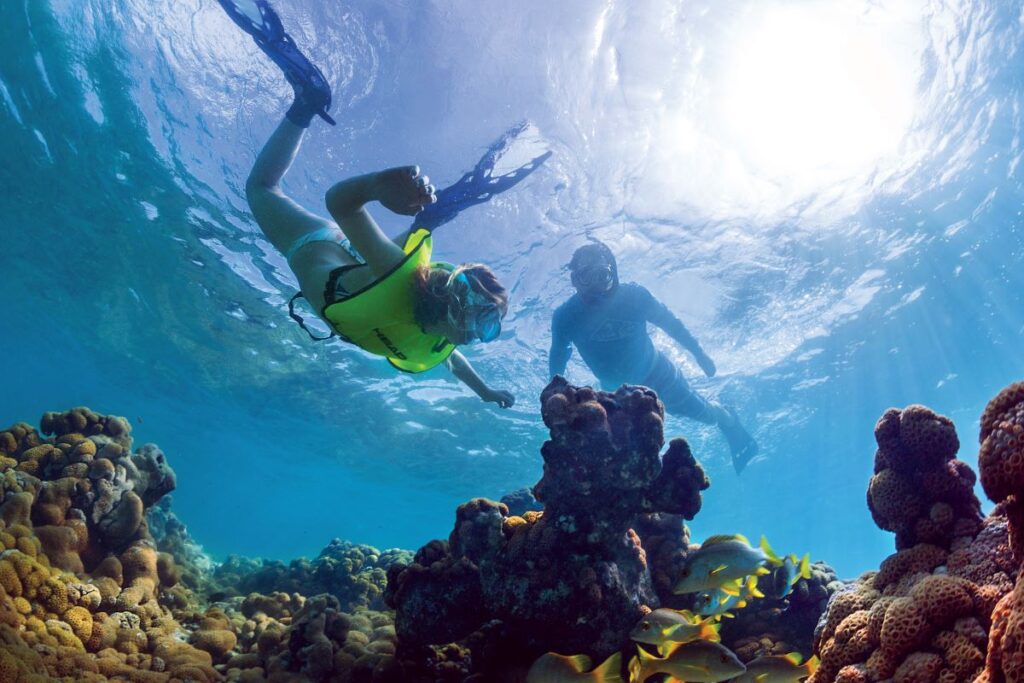
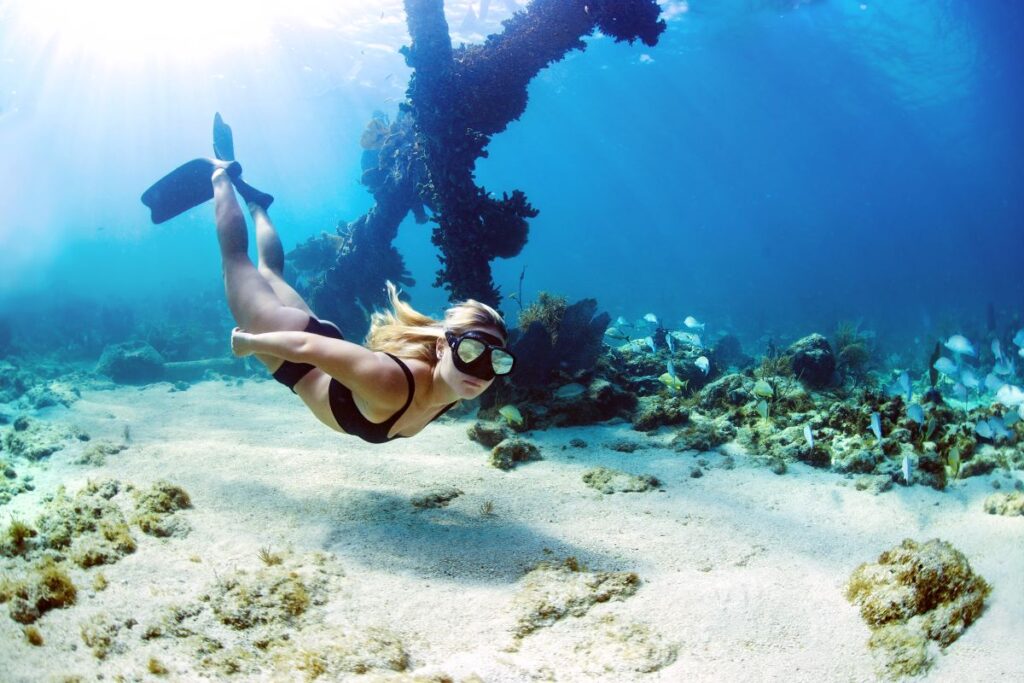
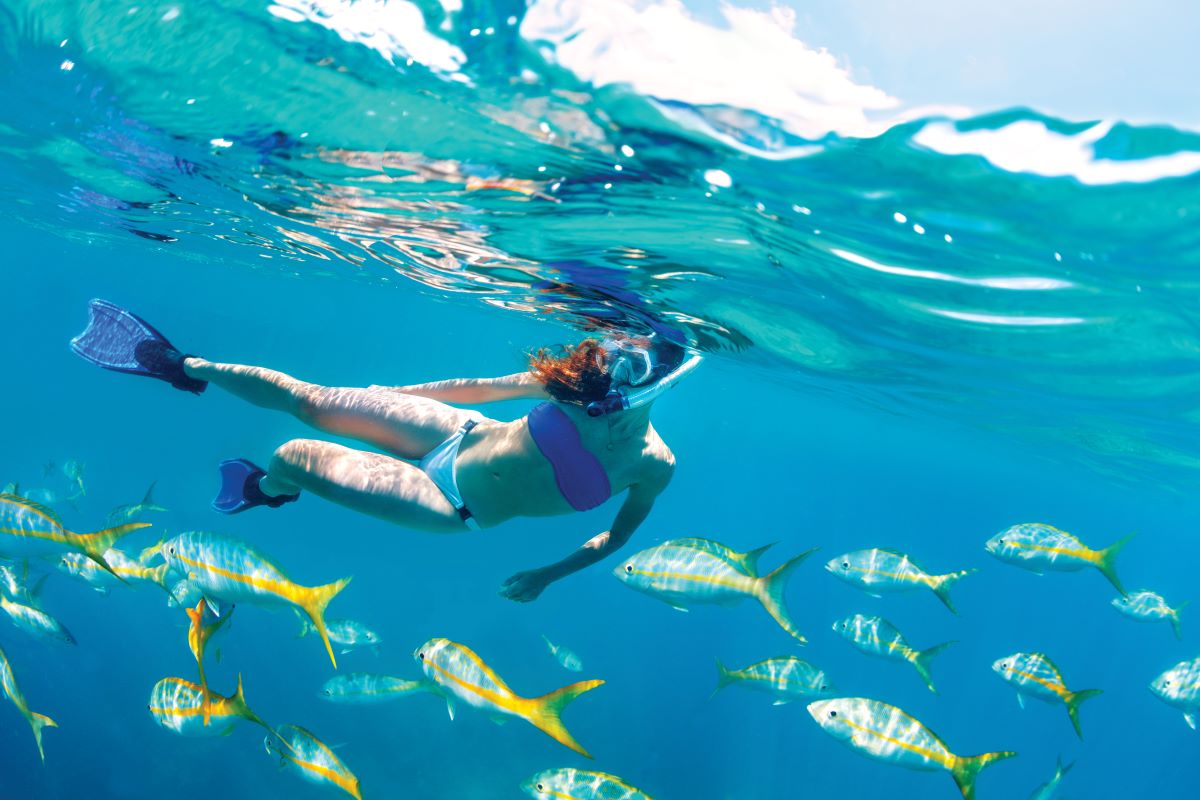
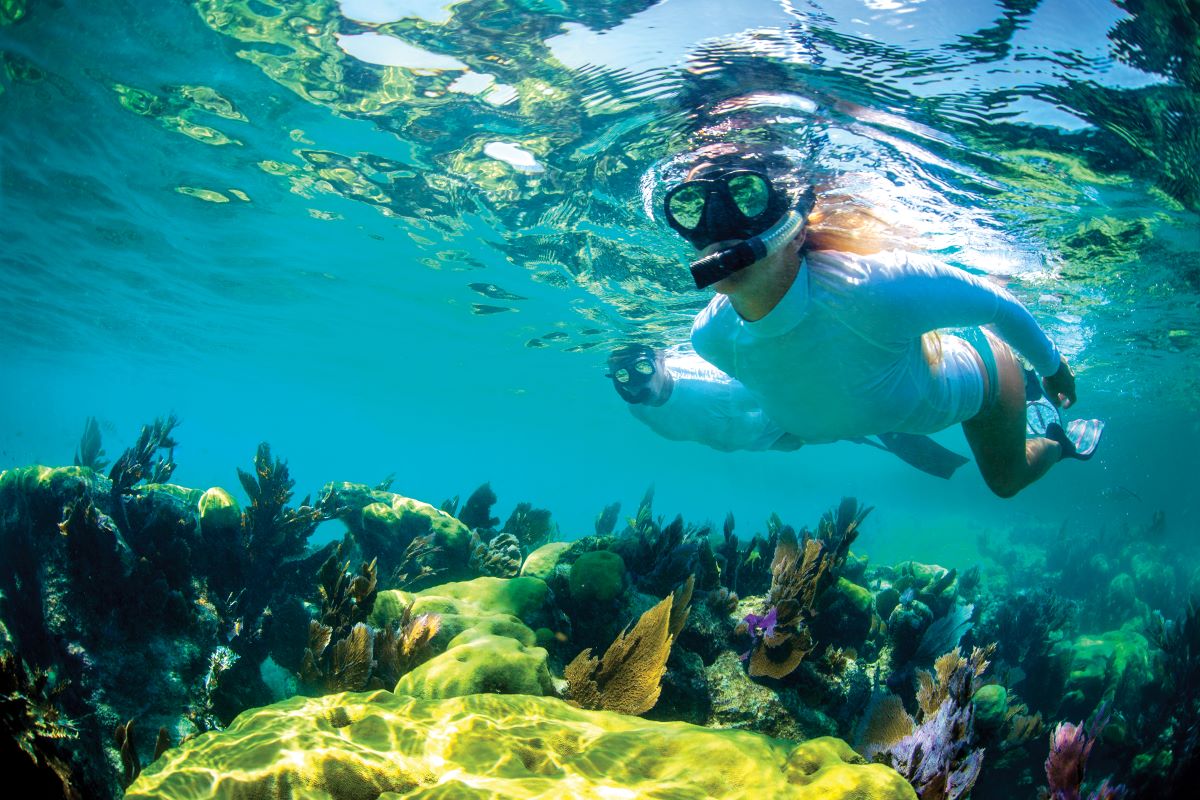
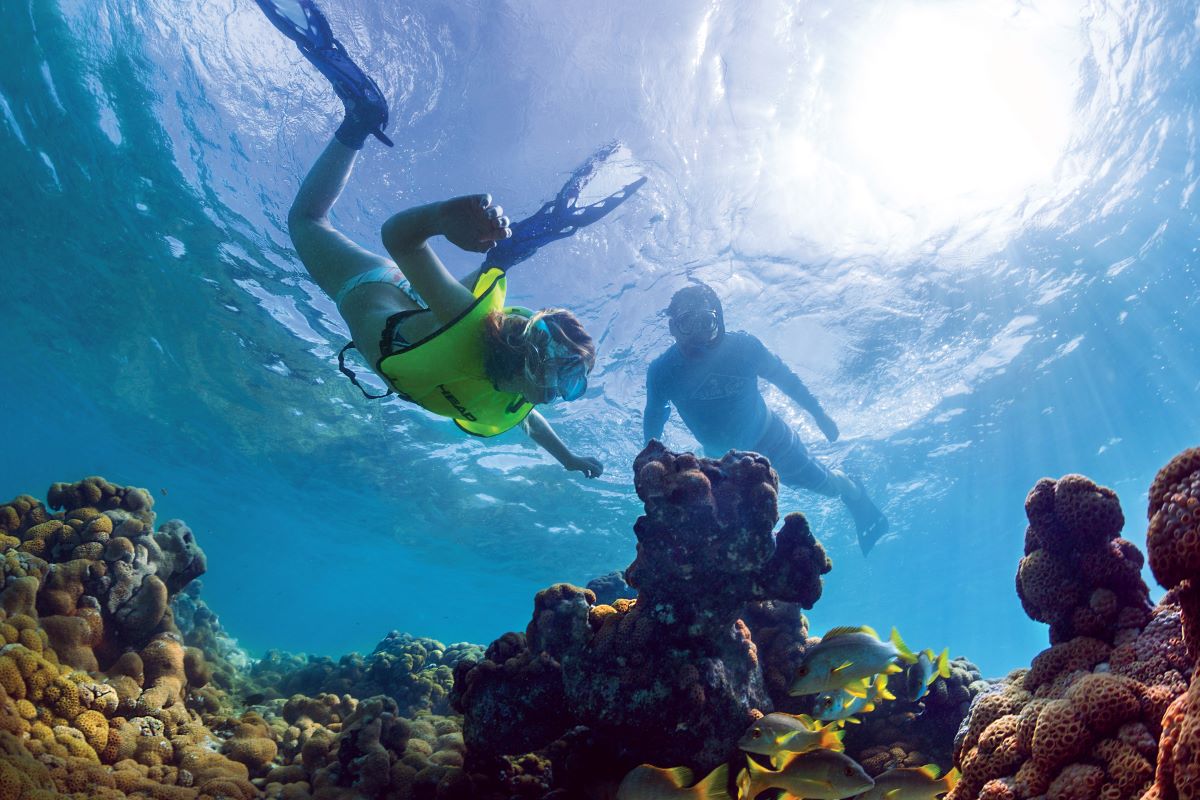
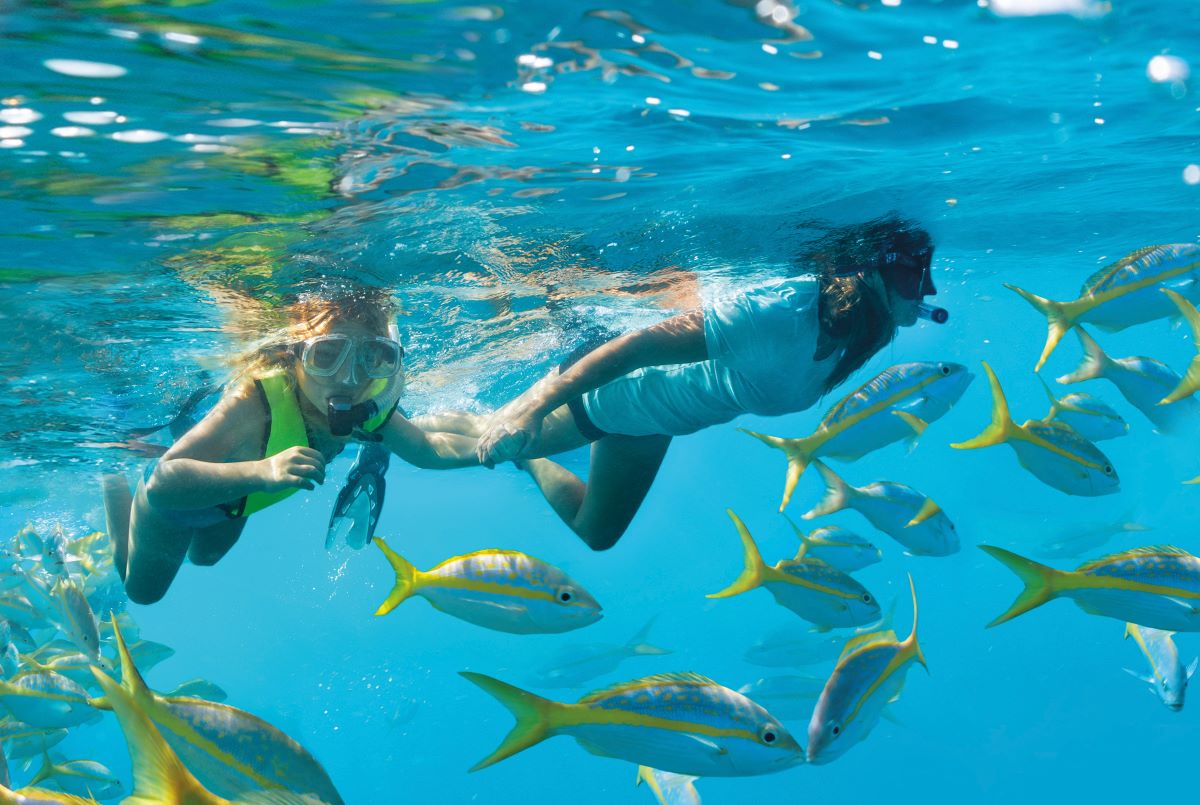
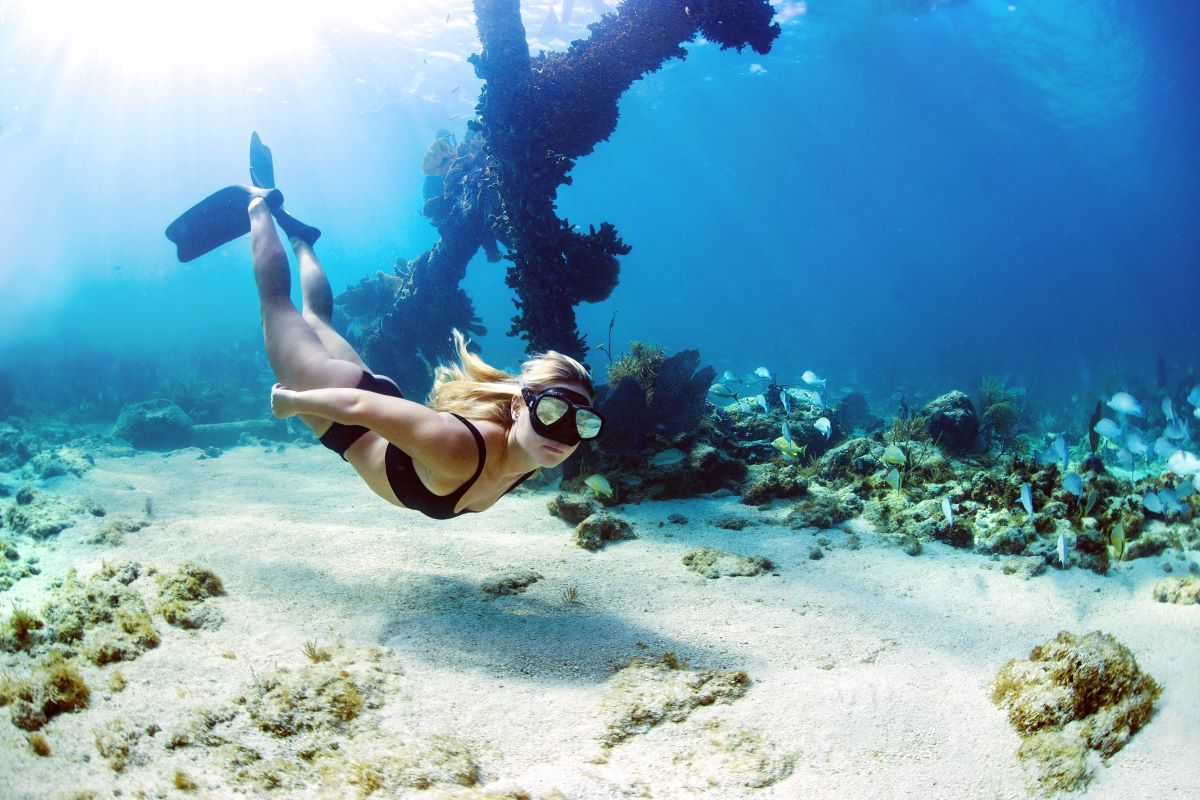
Outdoor activities are a major part of life in the Keys, with fishing, boating, kayaking, paddleboarding, snorkeling and wildlife encounters all popular. The islands are also home to a rich cultural and maritime history, with historic communities, lighthouses and landmarks found throughout the chain.
With its tropical climate, island scenery, relaxed atmosphere and easy-going approach to life, the Florida Keys offer plenty to explore both on and off the water.
Tallahassee (Florida)
Approximately 80,000 in Monroe County
English
Eastern Time (GMT-5; GMT-4 during daylight saving time)
+1
US Dollar ($)
Key West International Airport (EYW), Florida Keys Marathon International Airport (MTH), Miami International Airport (MIA), Fort Lauderdale-Hollywood International Airport (FLL)

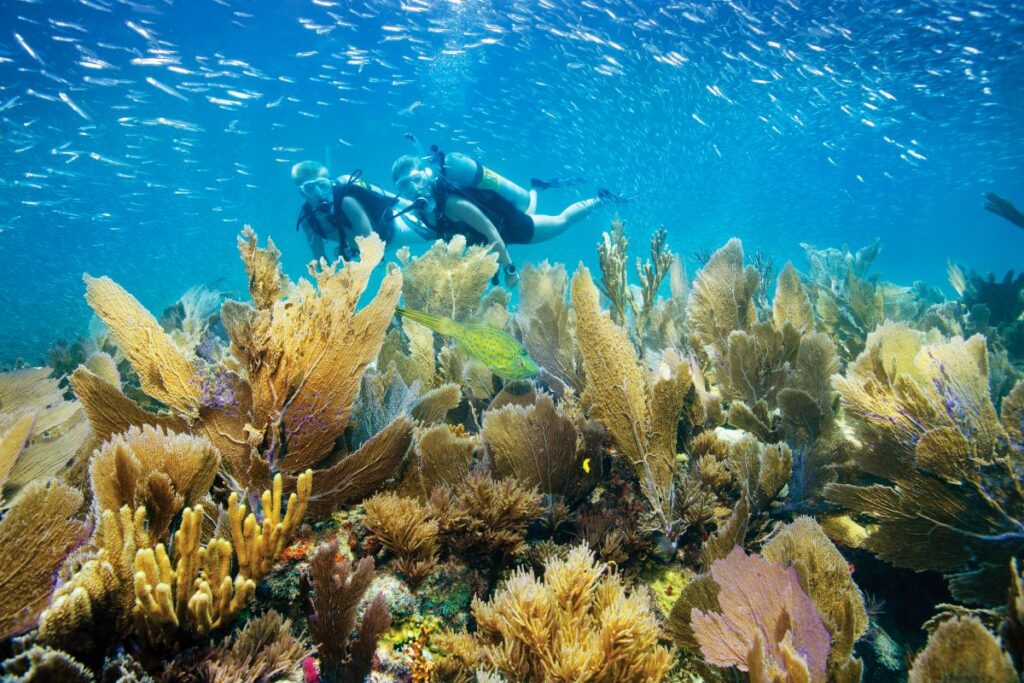
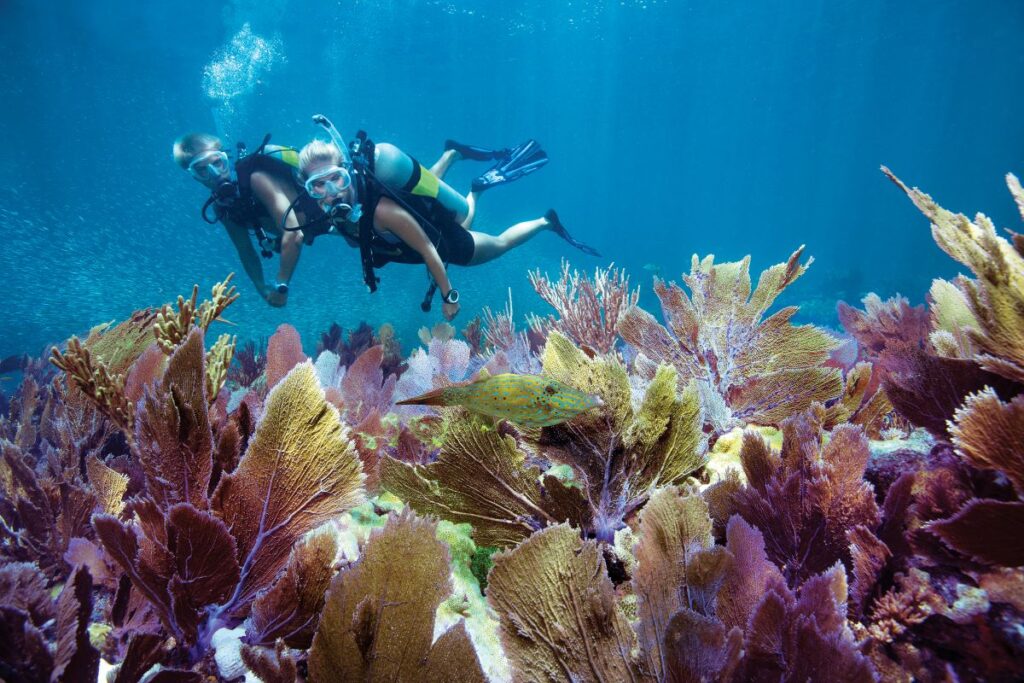
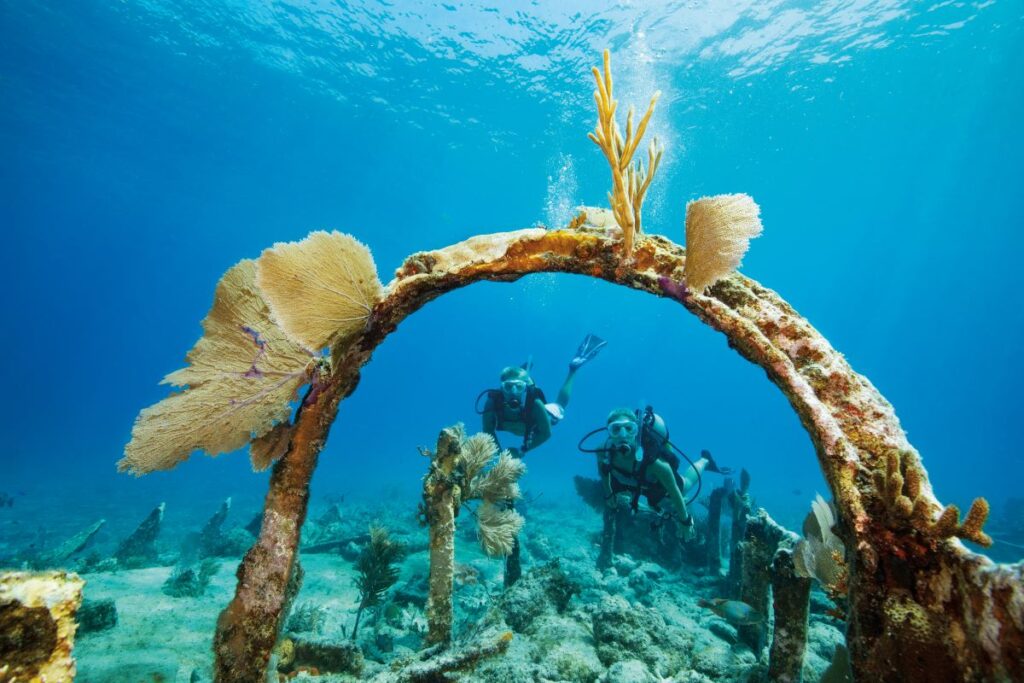
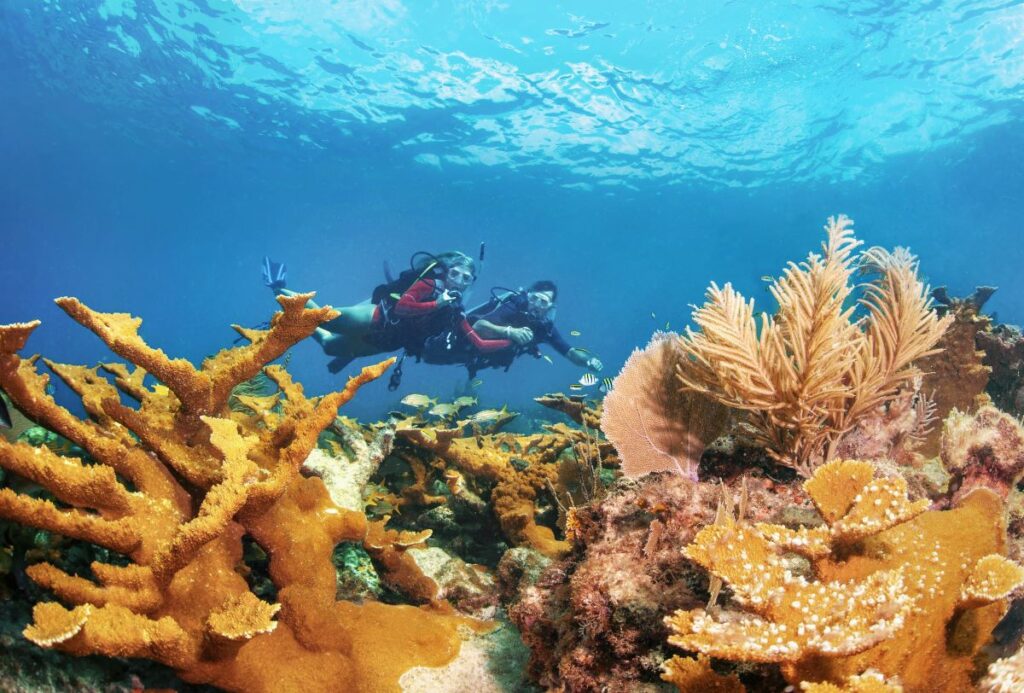
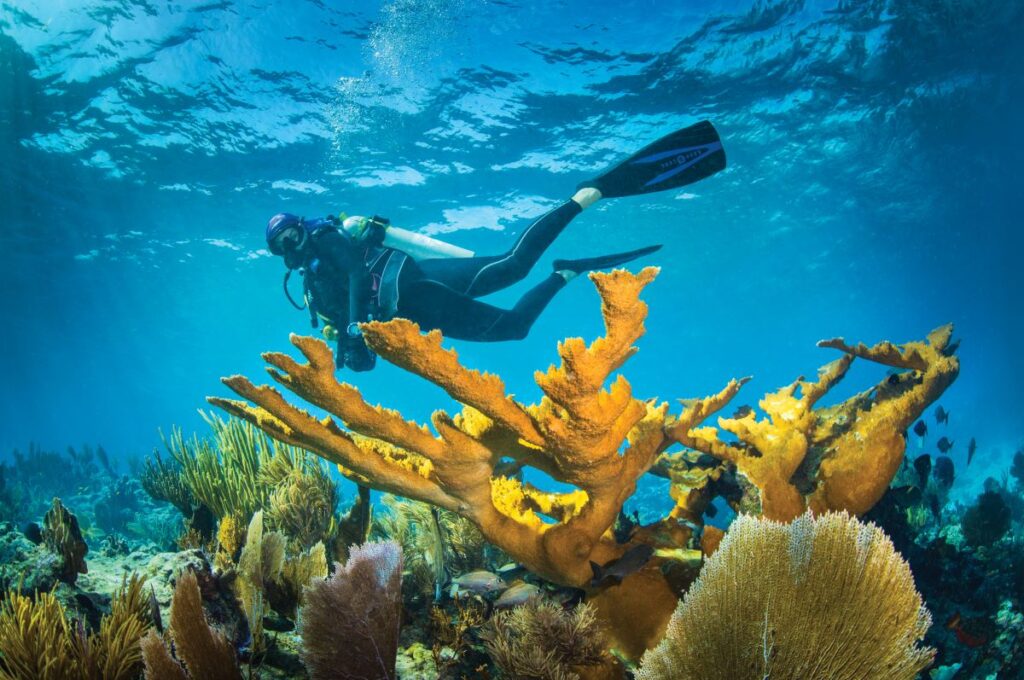
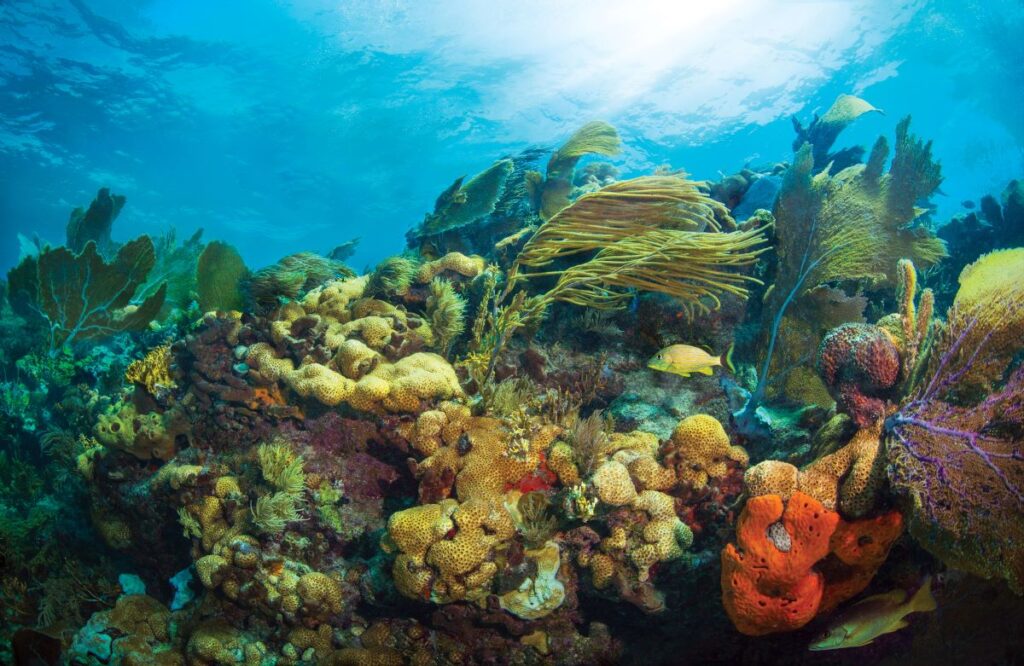
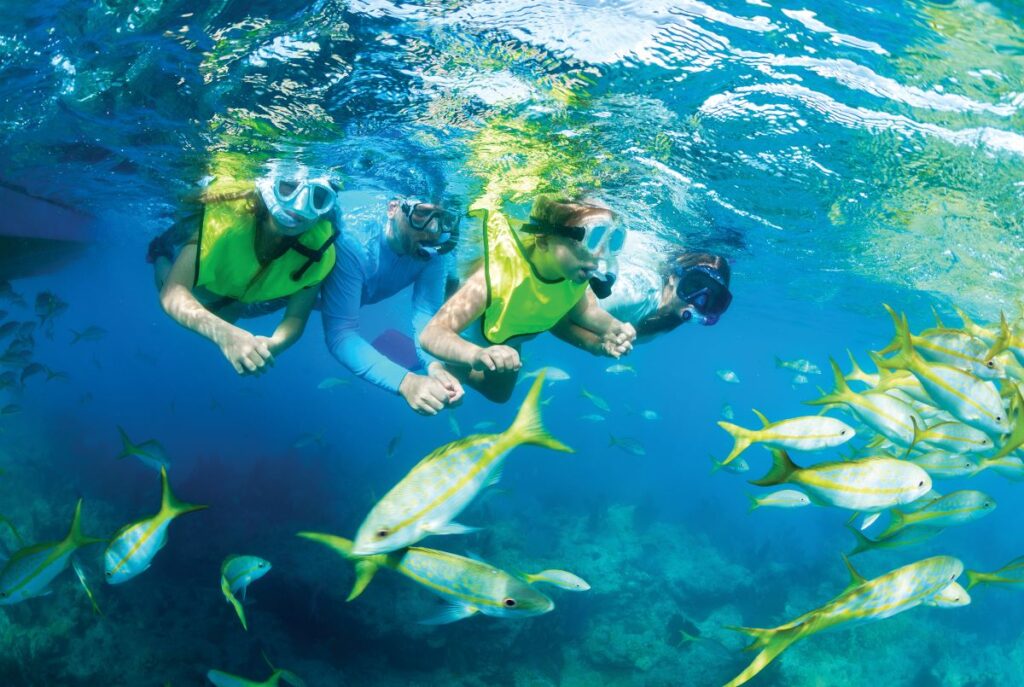
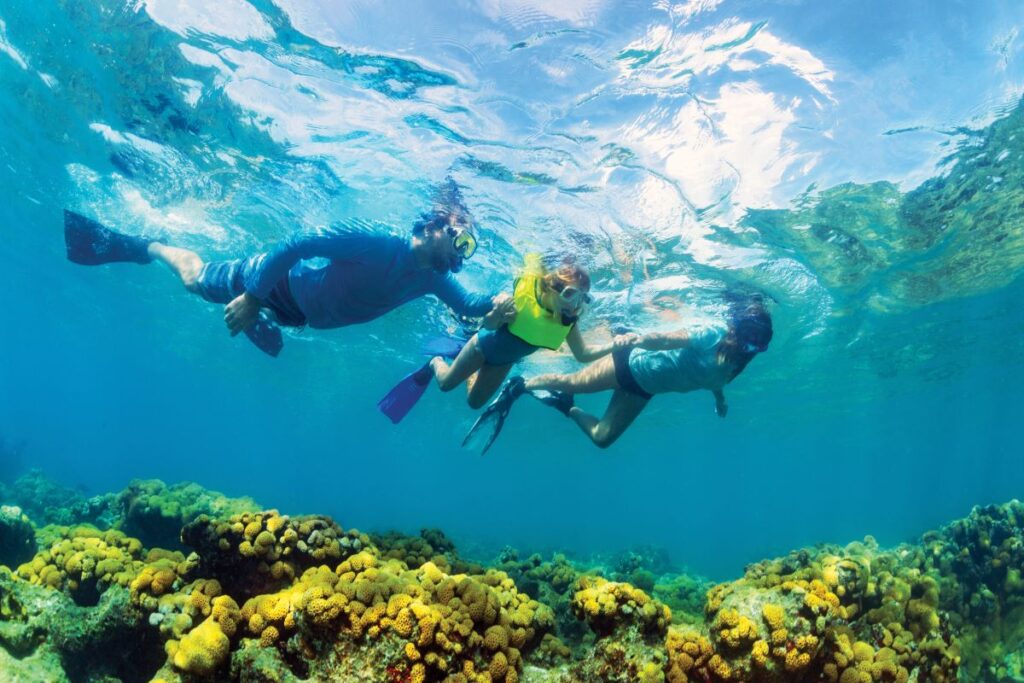
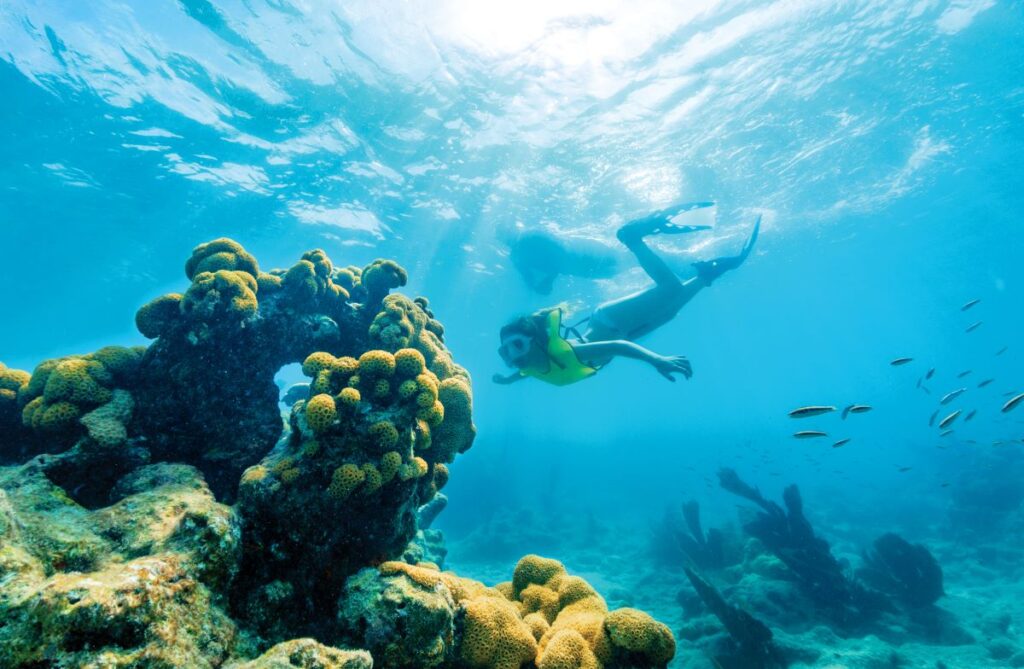
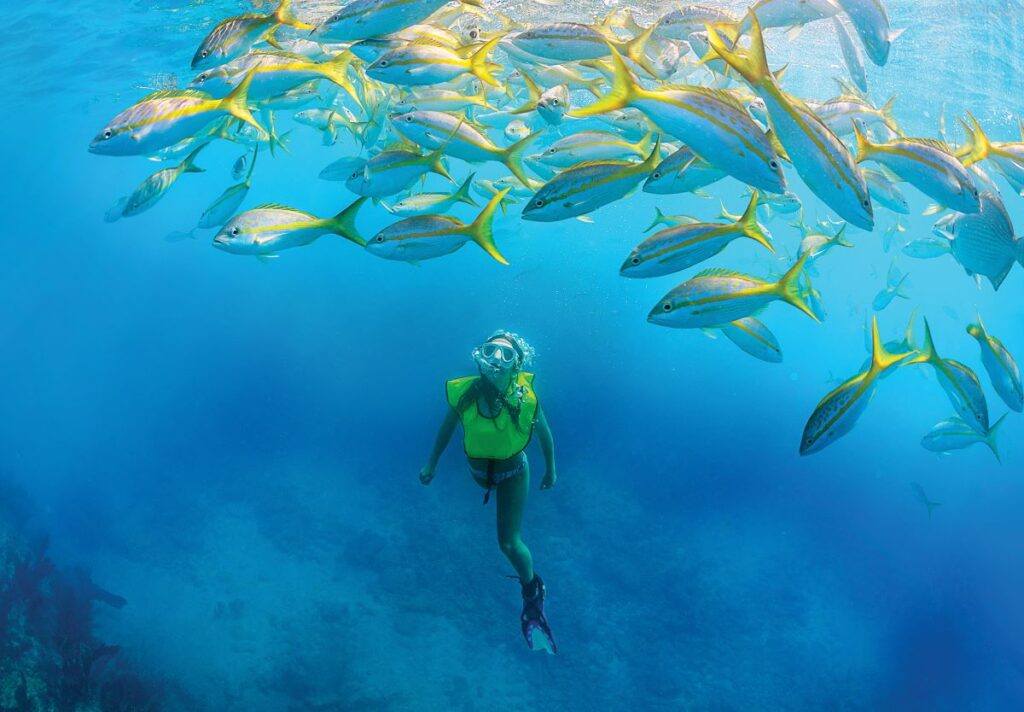
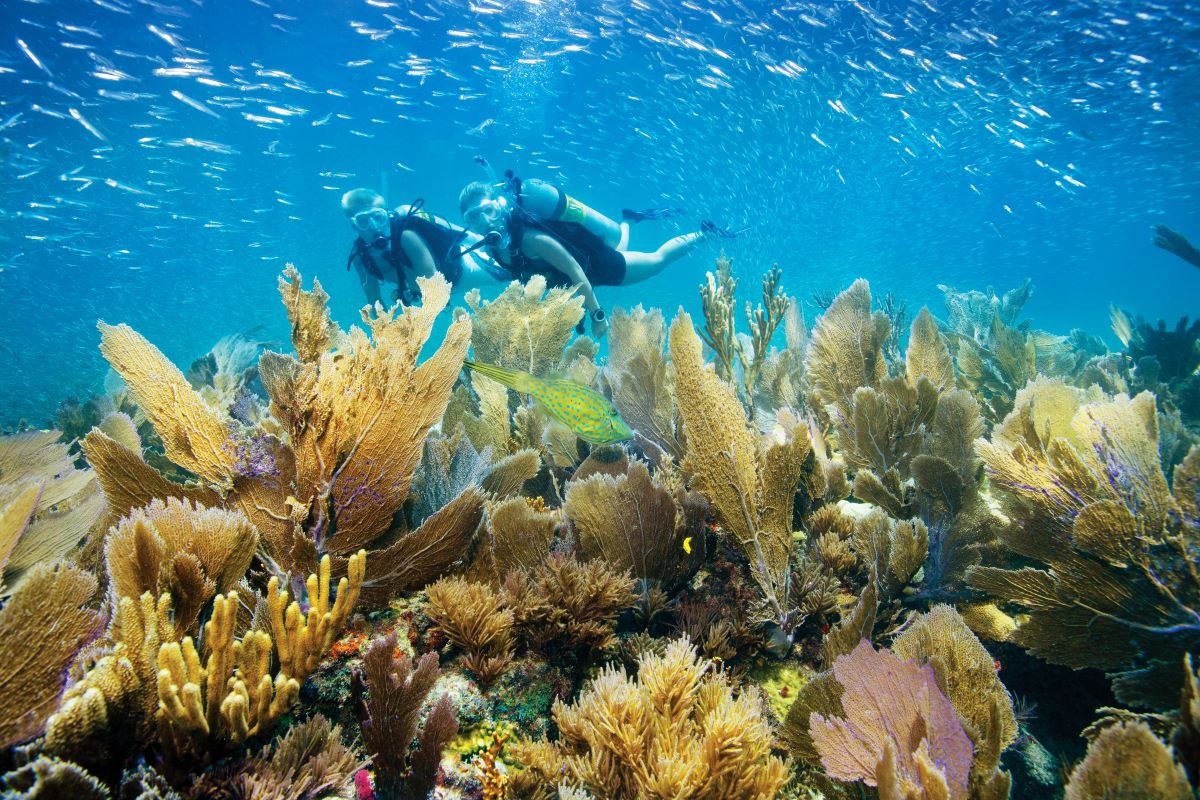
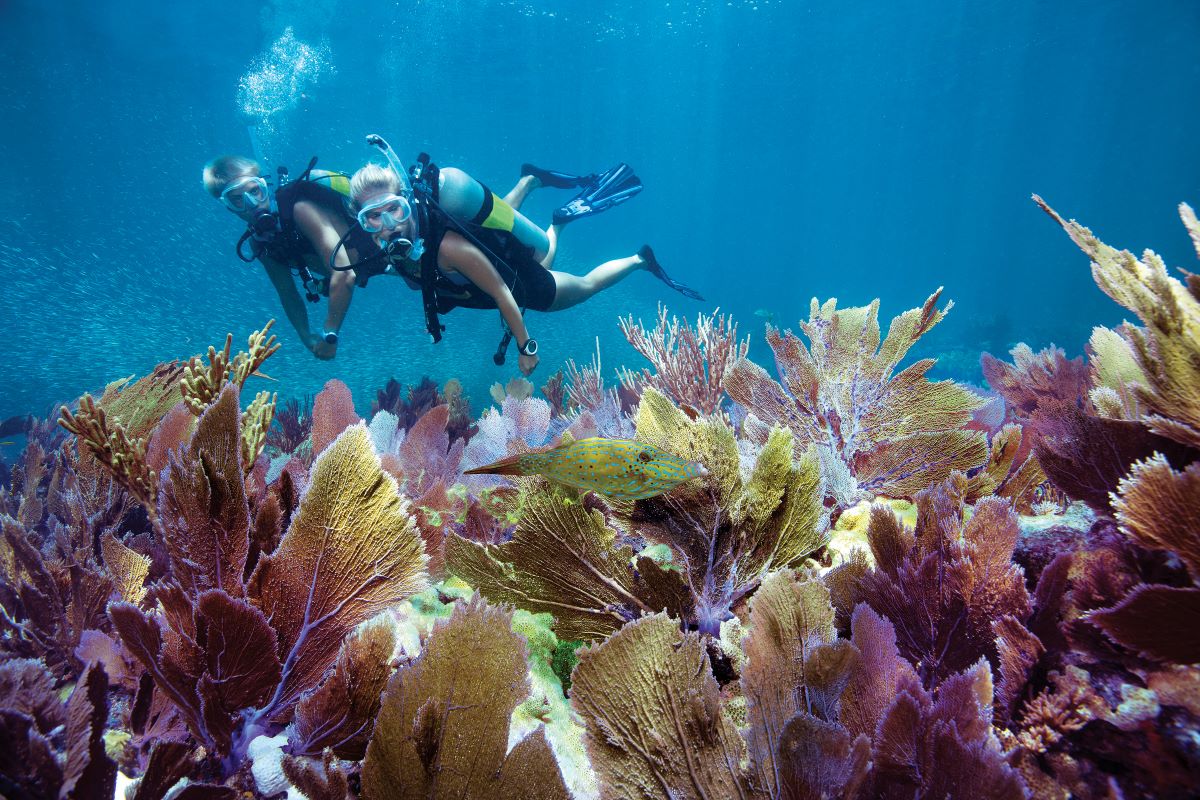
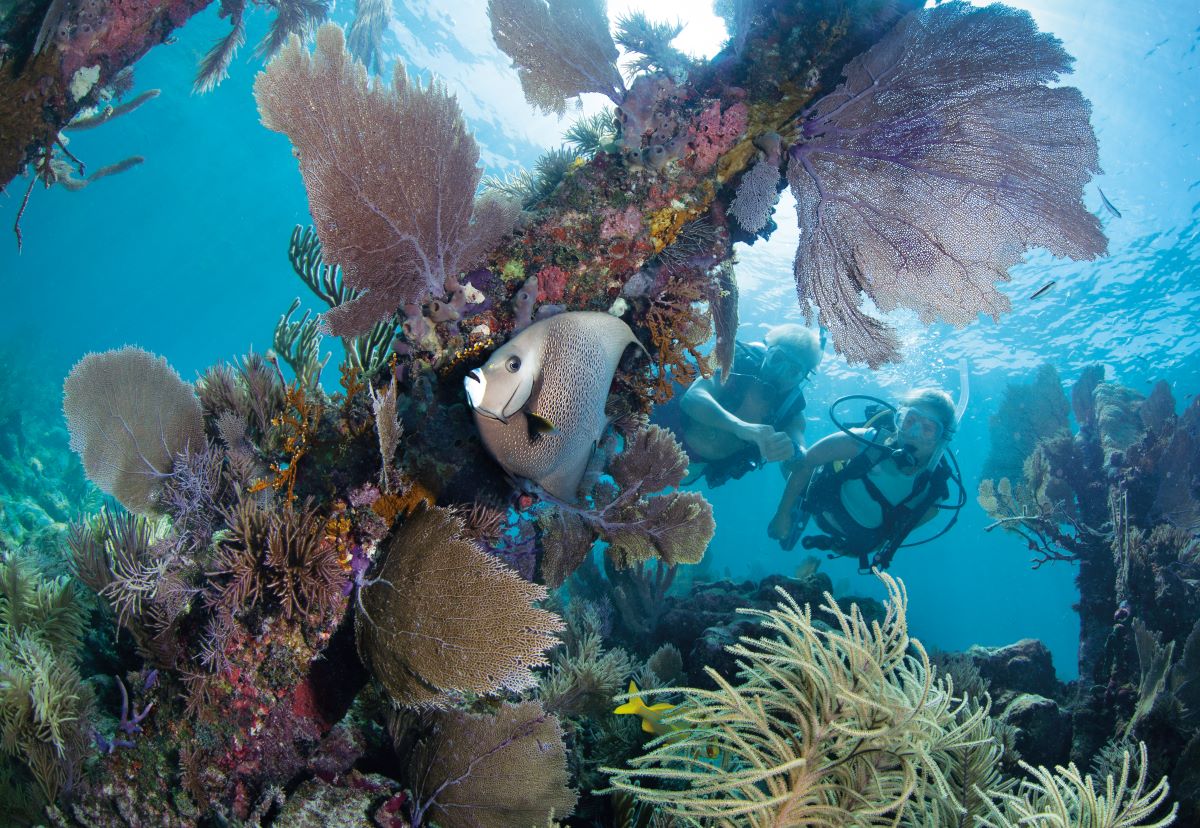
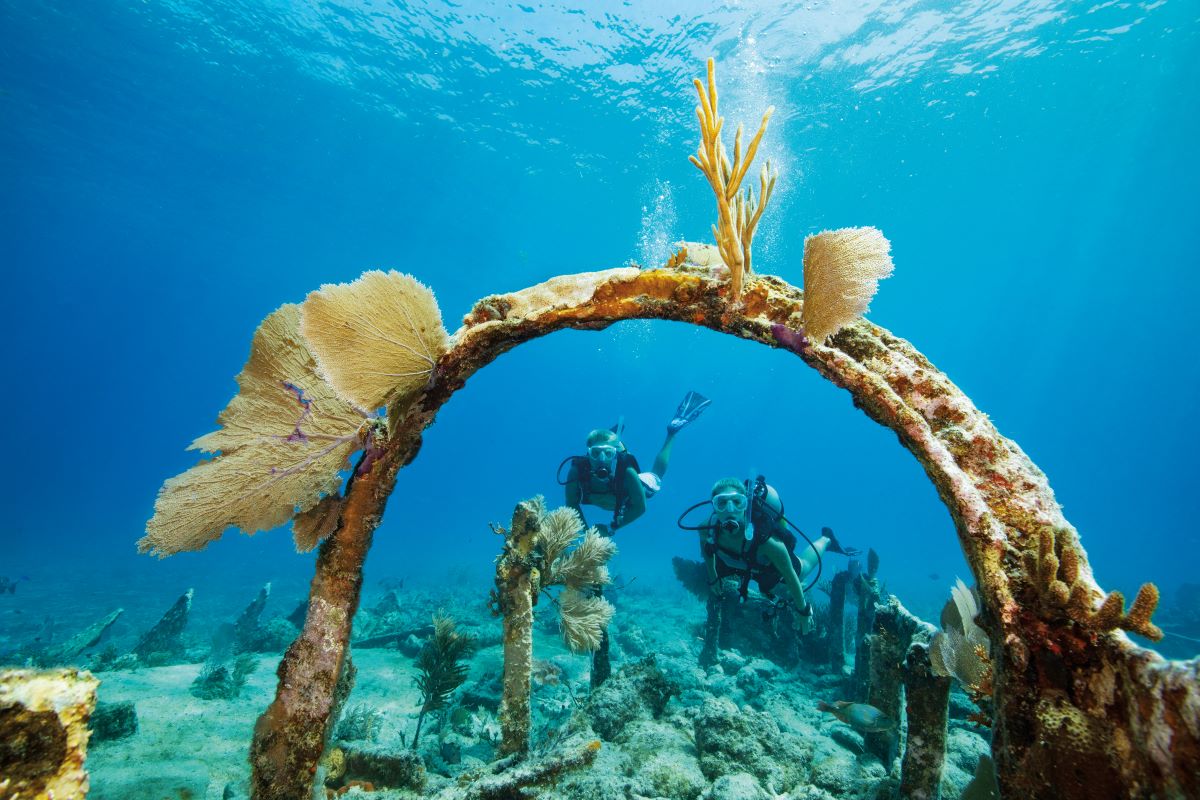
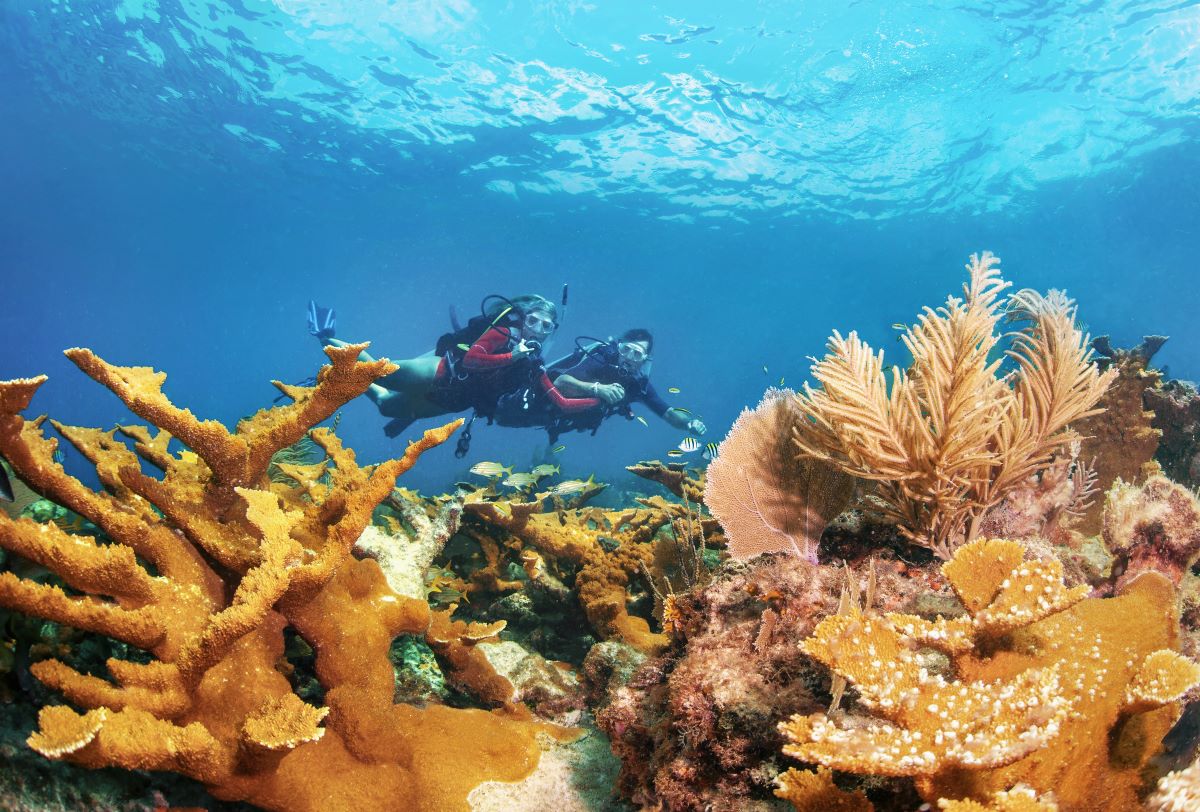
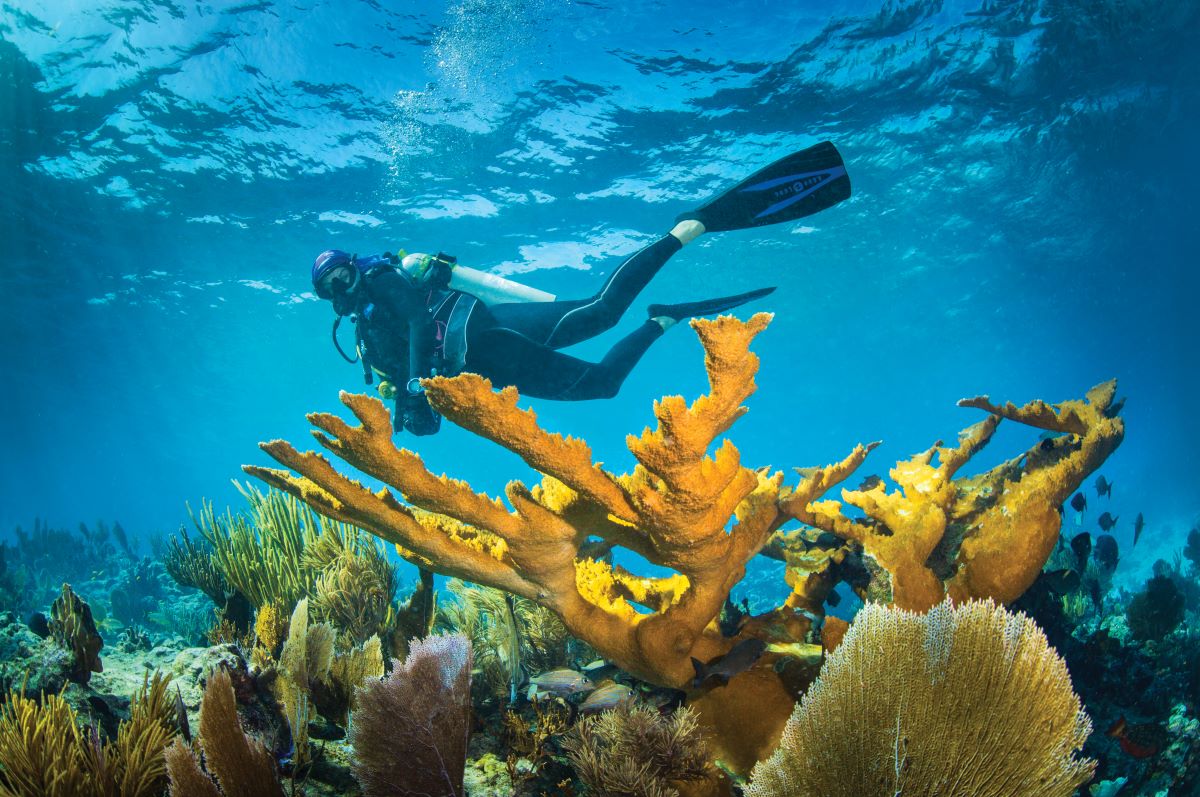
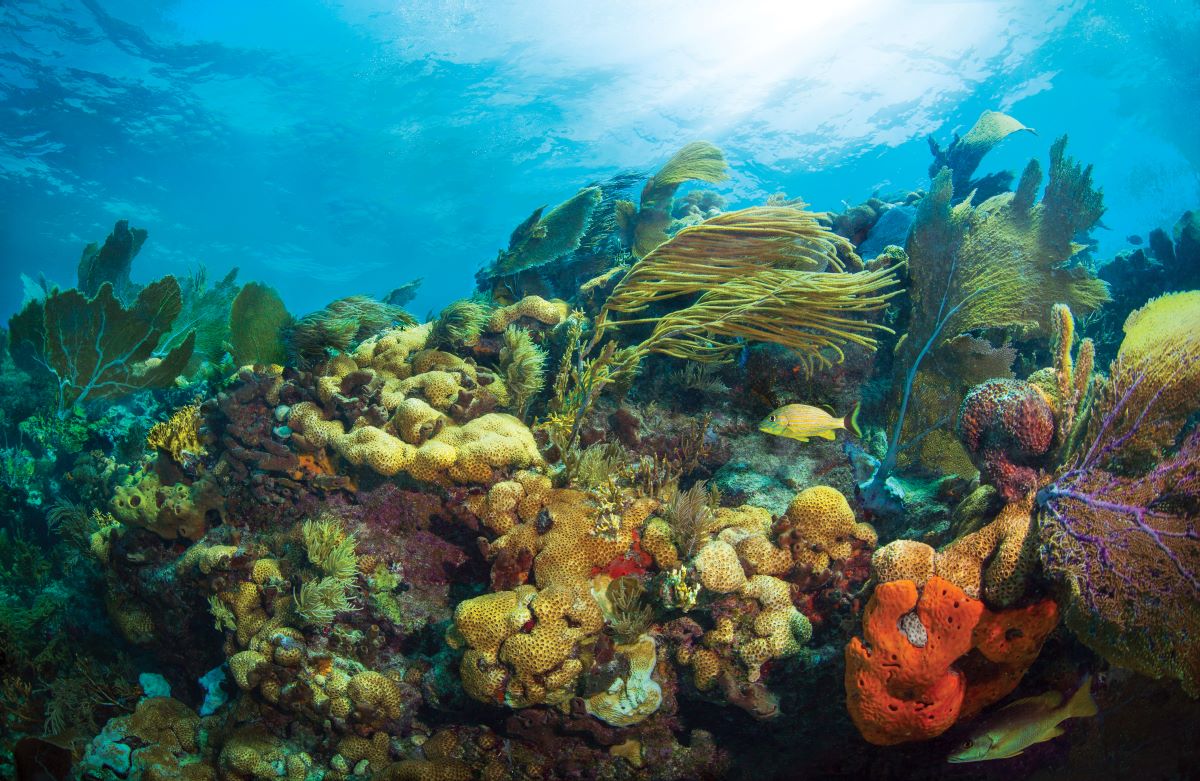
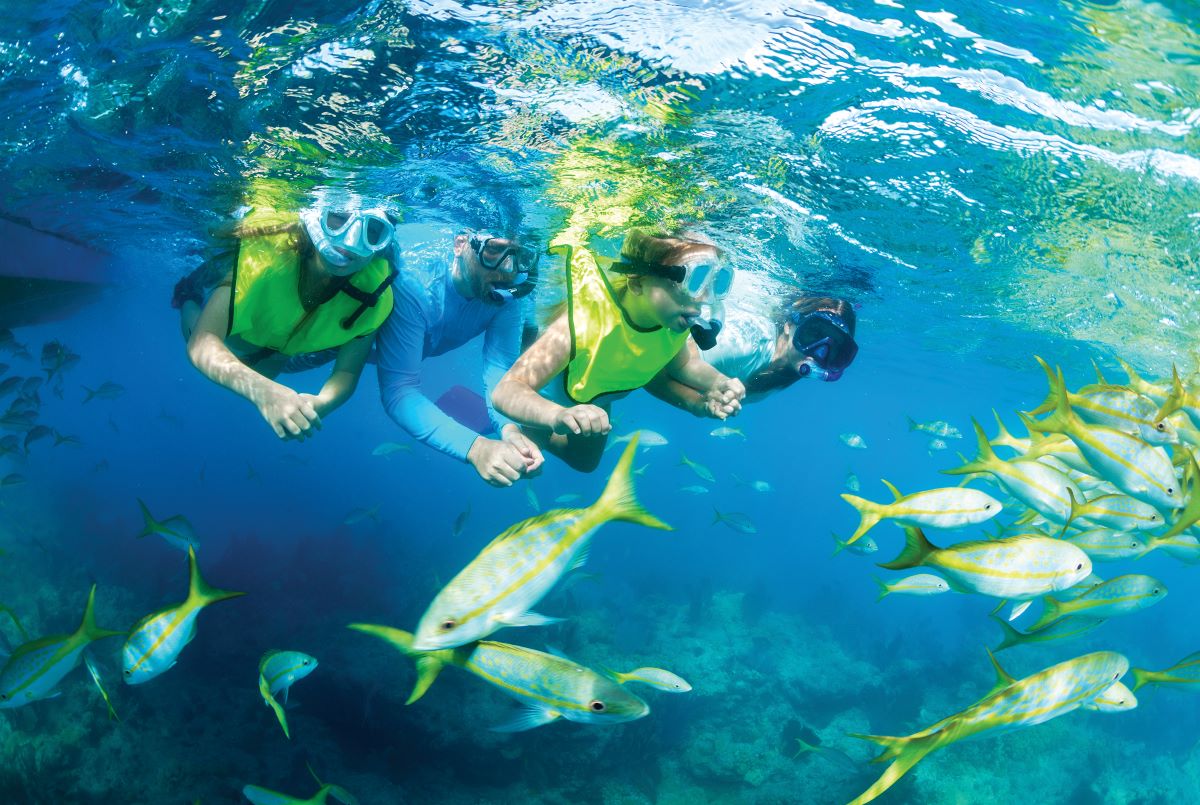
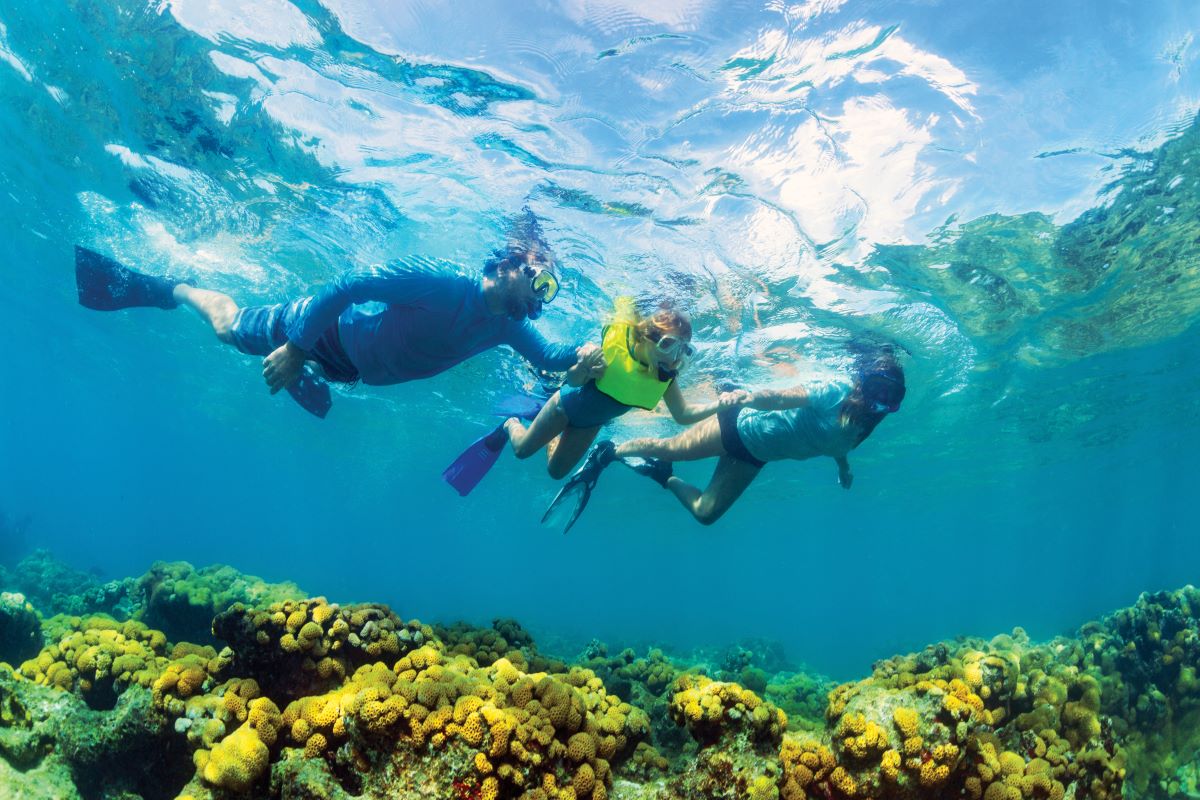
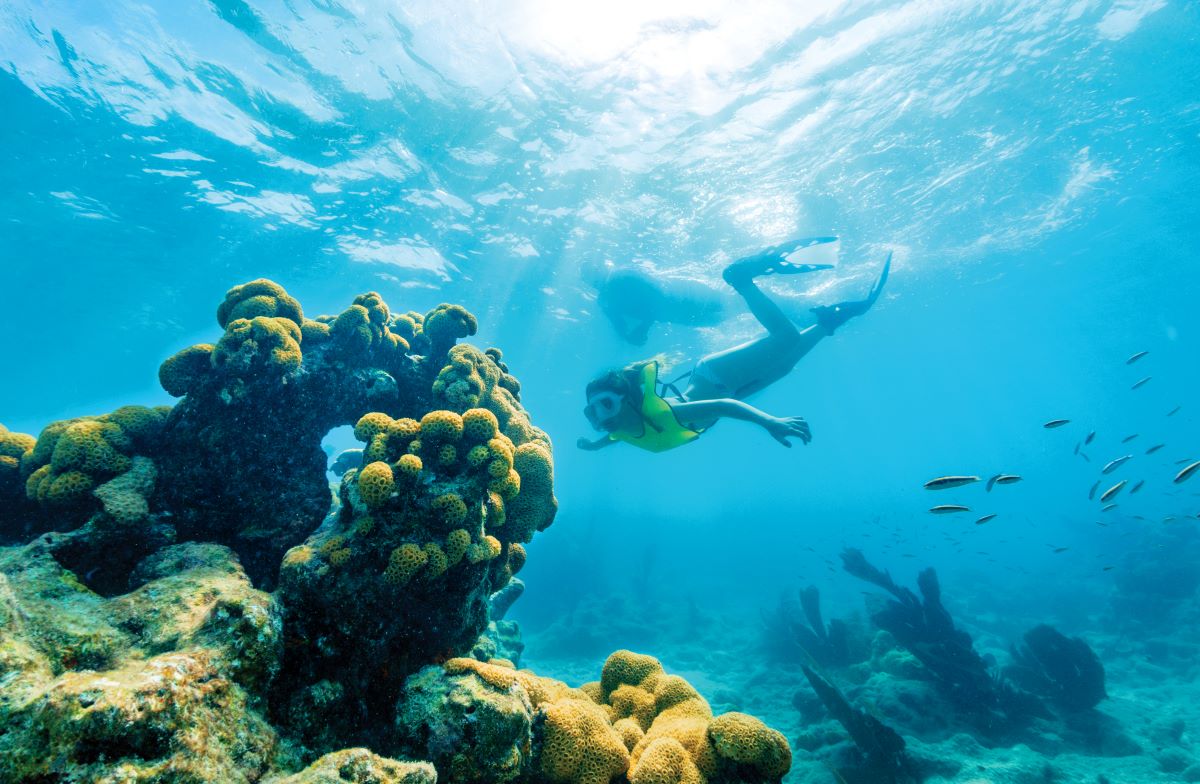
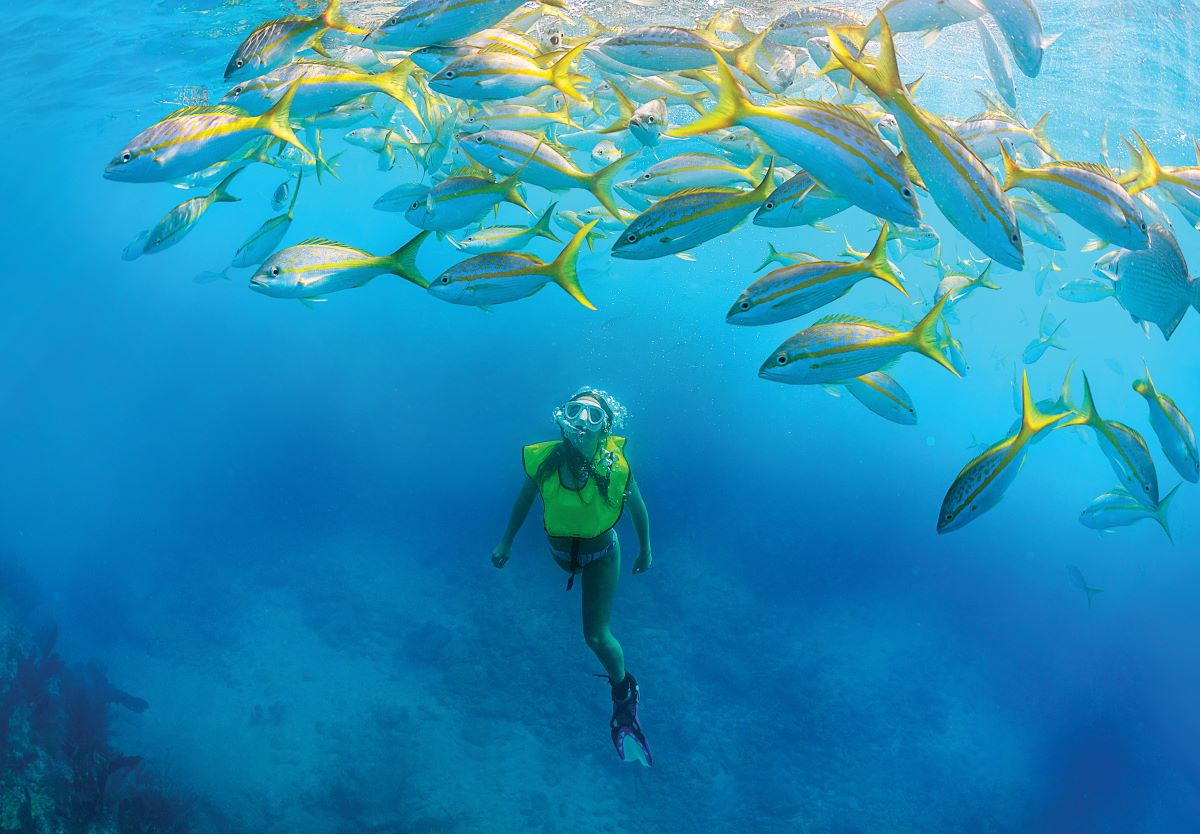
The Florida Keys offer a remarkable variety of diving within the Florida Keys National Marine Sanctuary, which protects more than 3,800 square miles of coastal and ocean waters. The region is home to the only living coral barrier reef in the continental United States, together with patch reefs, walls, seagrass habitats and a collection of historic and purpose-sunk wrecks.
Diving is available throughout the Keys, with Key Largo, Islamorada, Marathon, The Lower Keys and Key West each providing access to different sites and underwater environments.
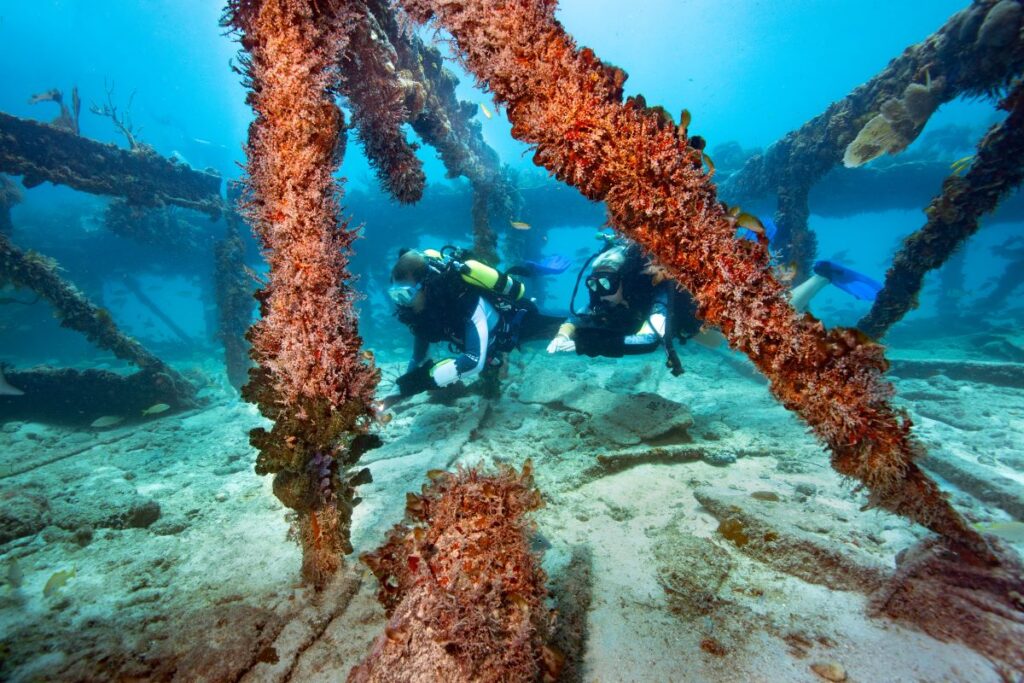
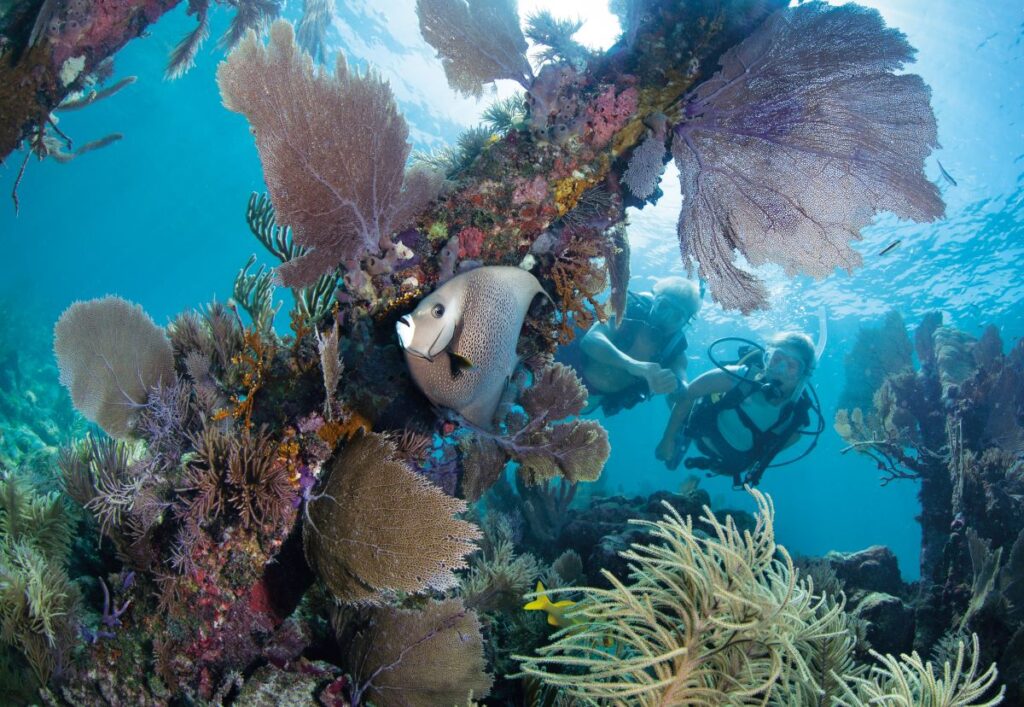
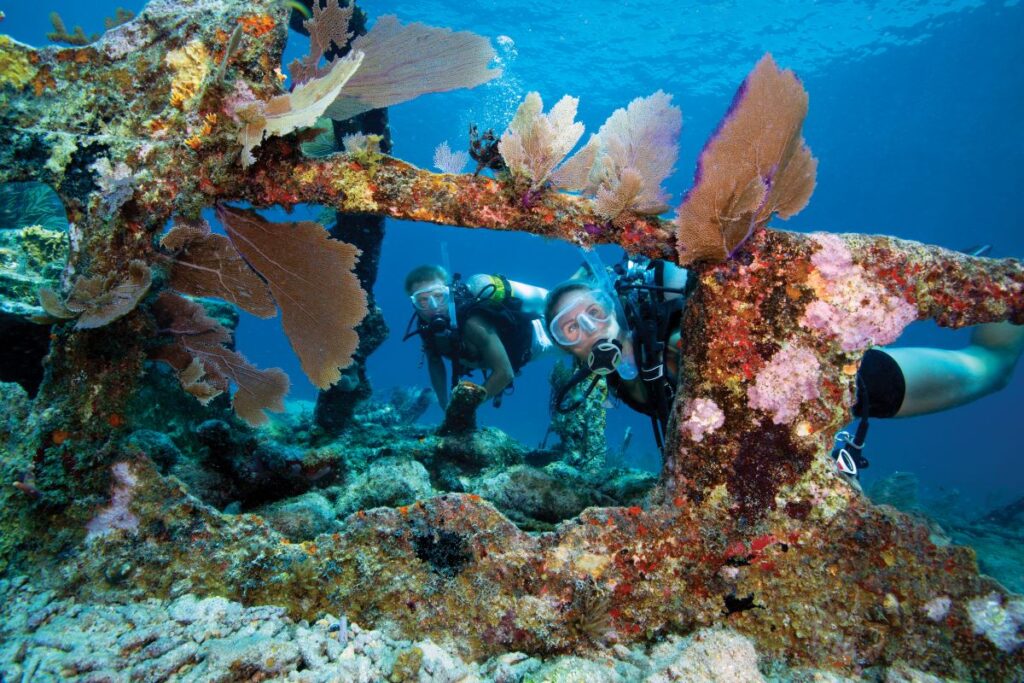
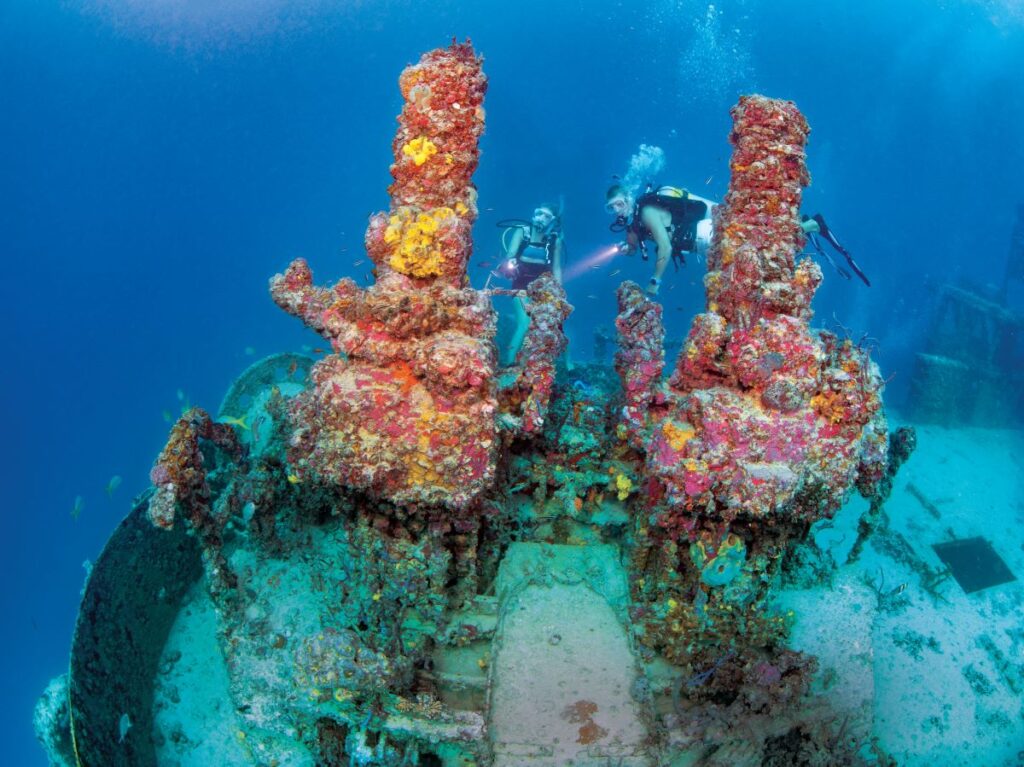
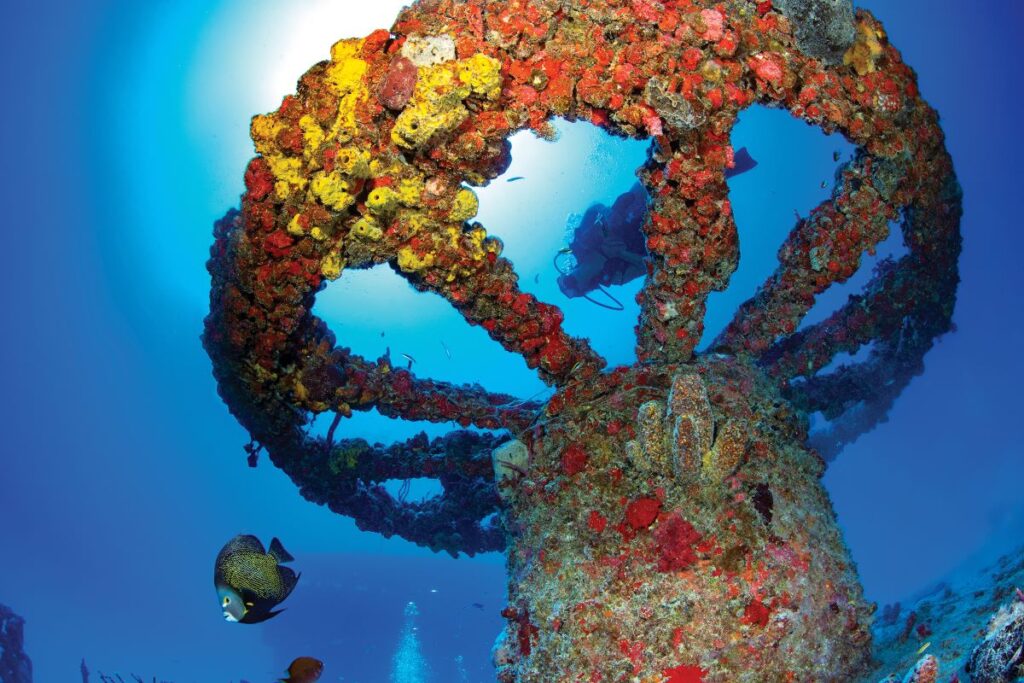
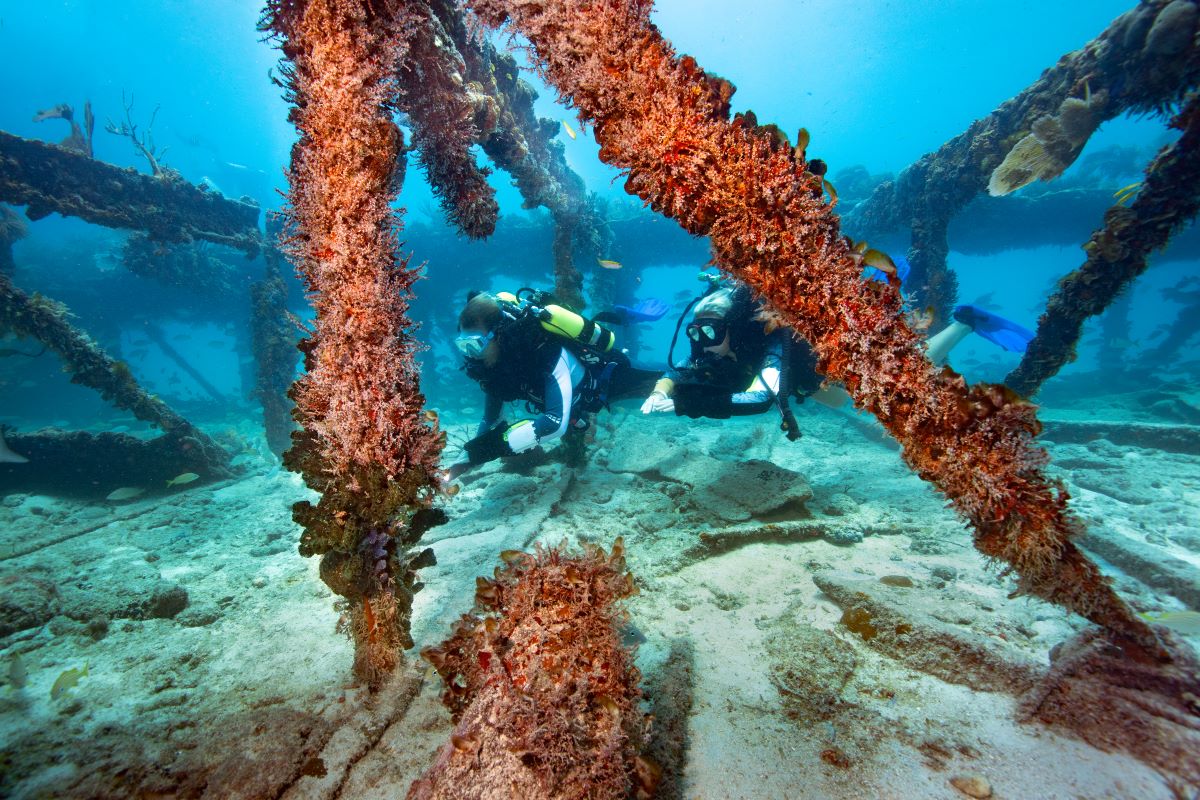
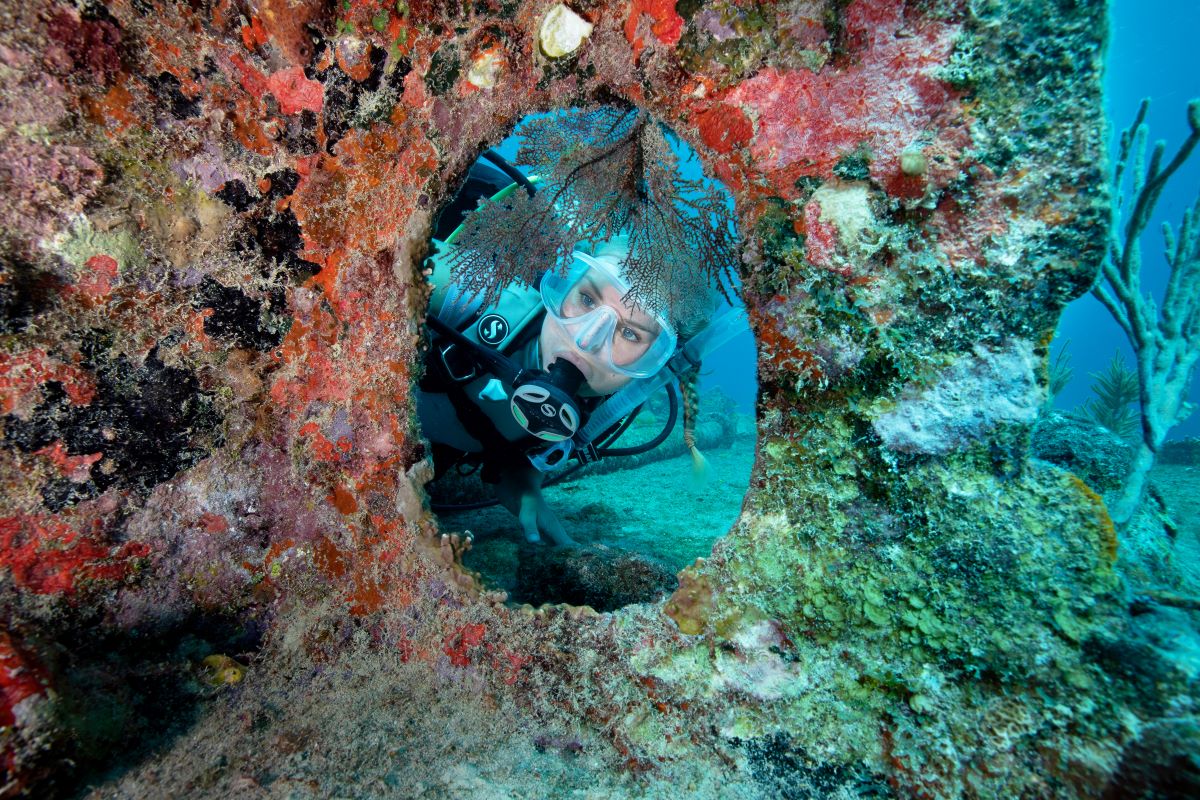
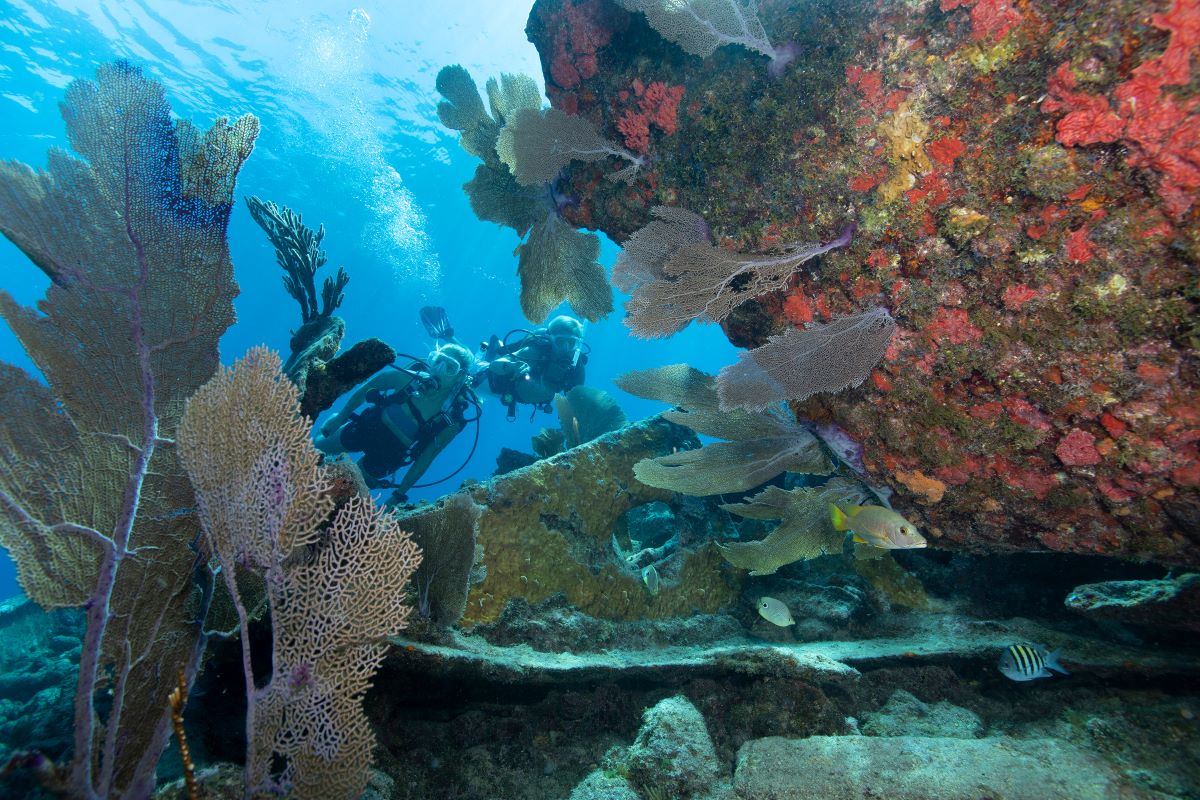
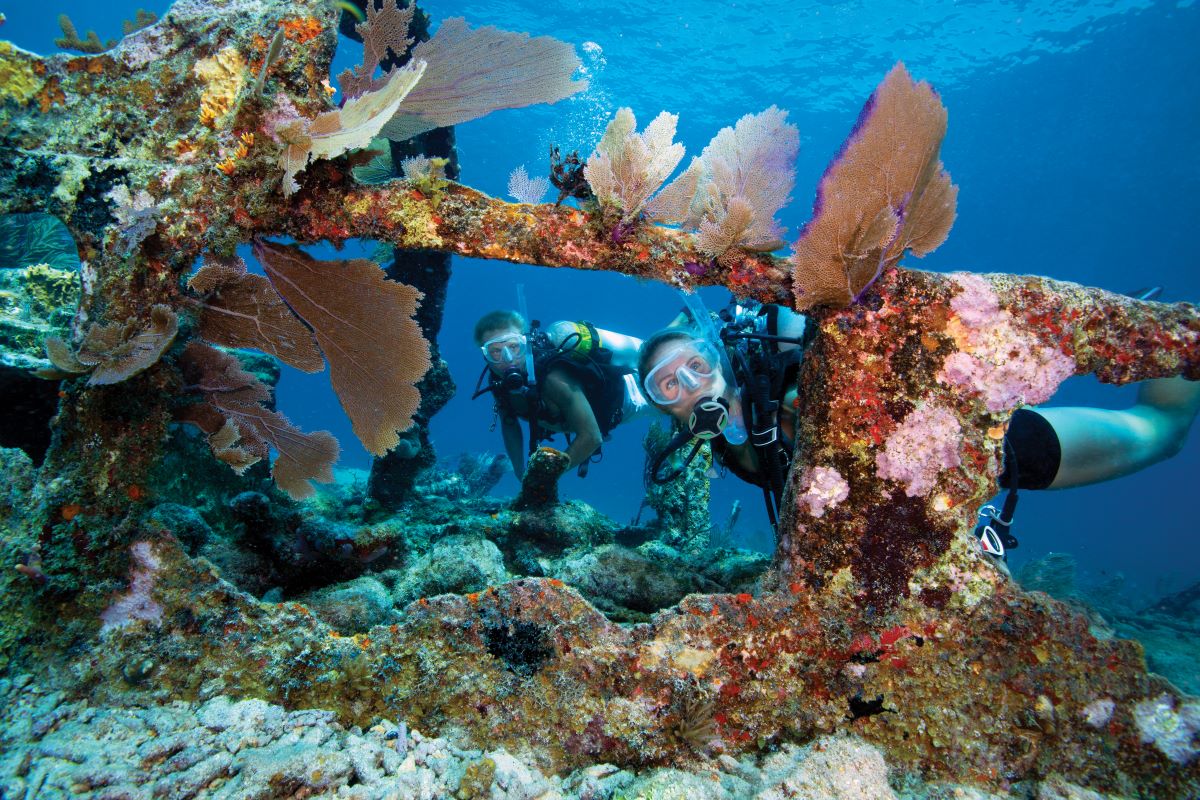
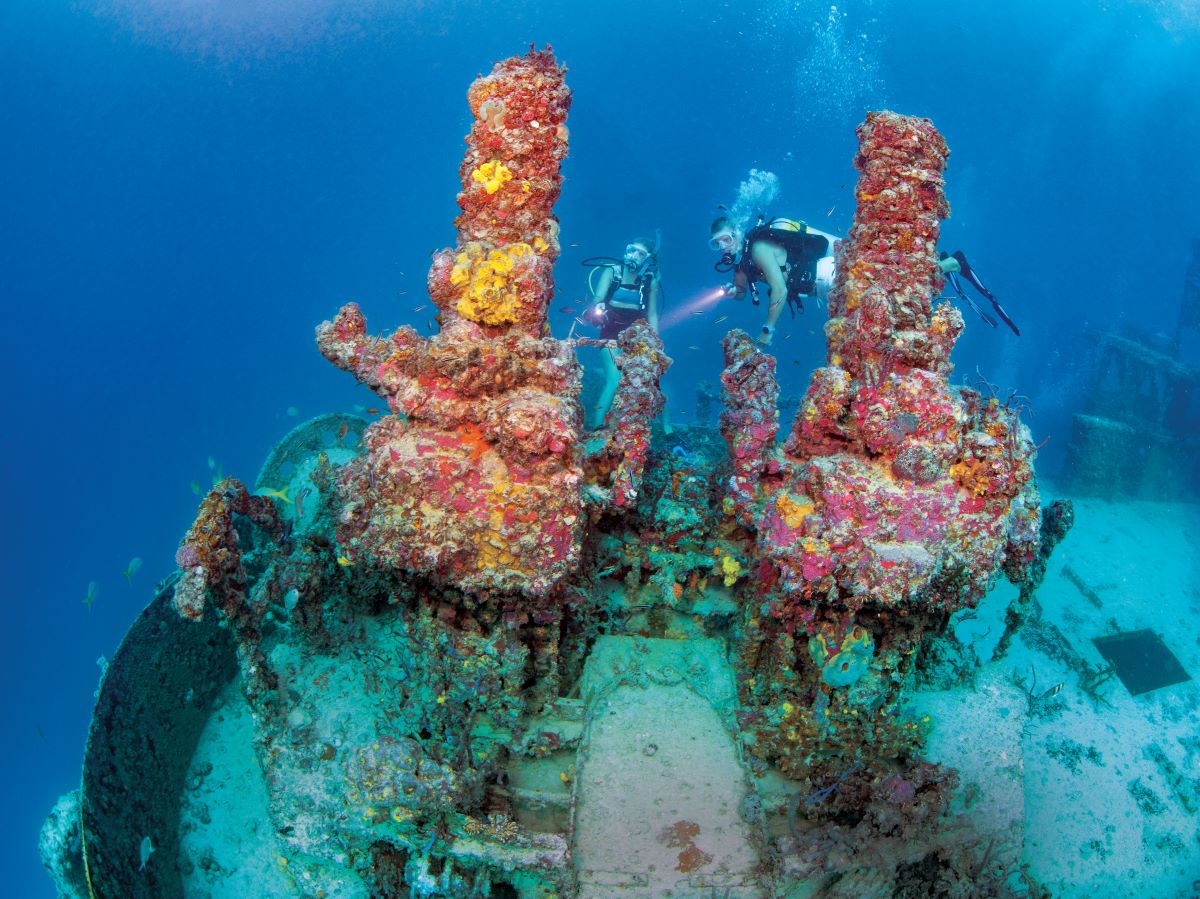
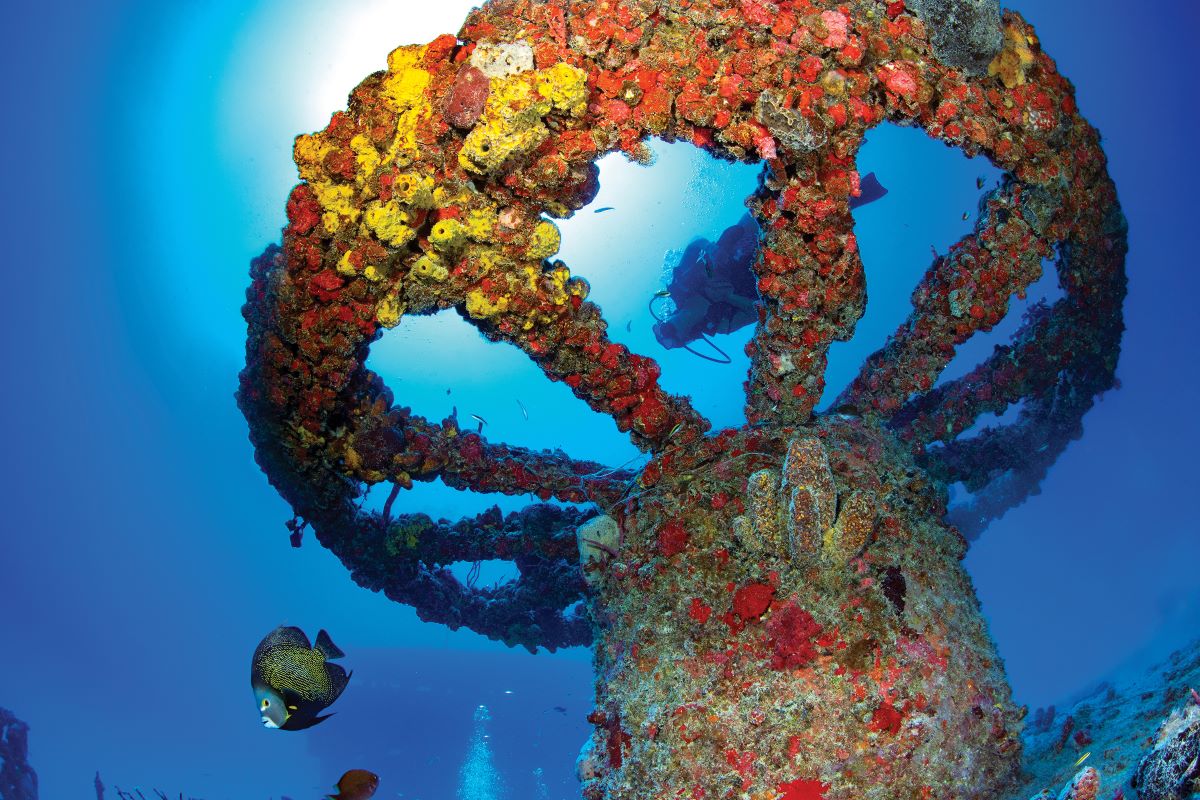
Reef divers can explore coral formations populated by tropical fish, turtles, rays, sharks and other marine life, while wreck divers have an impressive choice of artificial reefs to investigate. The Florida Keys Shipwreck Trail links nine historic wreck sites, while purpose-sunk vessels including the Spiegel Grove and Vandenberg have developed into substantial artificial reefs.
The Keys also offer diving for a wide range of experience levels, from relatively shallow reef sites and photography-friendly locations to deeper wrecks and offshore sites suited to more experienced divers.
The Florida Keys offer a huge variety of named dive sites, from shallow coral reefs and historic shipwrecks to large artificial reefs and deeper offshore sites. Some of the best-known include:
Key Largo
Christ of the Deep – One of the Florida Keys’ most recognisable underwater attractions, this 2.6-metre (8.5-foot) bronze statue stands at Key Largo Dry Rocks in around 7.6 metres (25 feet) of water. Surrounded by coral formations and marine life, it is accessible to both divers and snorkellers.
Molasses Reef – One of Key Largo’s best-known reef systems, Molasses Reef features a series of coral formations, swim-throughs and ledges supporting large numbers of tropical fish.
French Reef – A popular reef system with coral formations, swim-throughs and a variety of marine life. The site offers several different dive areas and depths.
Benwood – The 110-metre (360-foot) merchant freighter sank in 1942 following a collision and now rests in approximately 7.6–13.7 metres (25–45 feet) of water. The shallow wreck is covered with marine life and is one of the Florida Keys’ best-known wrecks for less experienced wreck divers.
USCGC Duane – This 100-metre (327-foot) former US Coast Guard cutter was deliberately sunk in 1987 and now rests upright in around 36.6 metres (120 feet) of water. Coral, sponges and marine life cover the vessel, while its depth makes it a site for experienced divers.
USCGC Bibb – The sister ship of the Duane, this 100-metre (327-foot) Coast Guard cutter was also sunk in 1987. The wreck lies at approximately 36.6 metres (120 feet) and has become heavily encrusted with marine growth.
USS Spiegel Grove – At 155 metres (510 feet) long, the Spiegel Grove is one of the Florida Keys’ most impressive artificial reefs. The former US Navy Dock Landing Ship was sunk in 2002 and now sits approximately 9.7 km (six miles) off Key Largo, with its upper sections accessible at recreational diving depths.
Islamorada
Eagle – The 87.5-metre (287-foot) Eagle was deliberately sunk in 1985 and now rests in approximately 21–34 metres (70–110 feet) of water off Islamorada. The wreck has broken into sections and is heavily colonised by marine life, making it one of the area’s signature wreck dives.
San Pedro – One of the oldest wreck sites in the Keys, the San Pedro was part of a Spanish treasure fleet and sank during a hurricane in 1733. The site lies in relatively shallow water near Indian Key and is now protected as an underwater archaeological preserve.
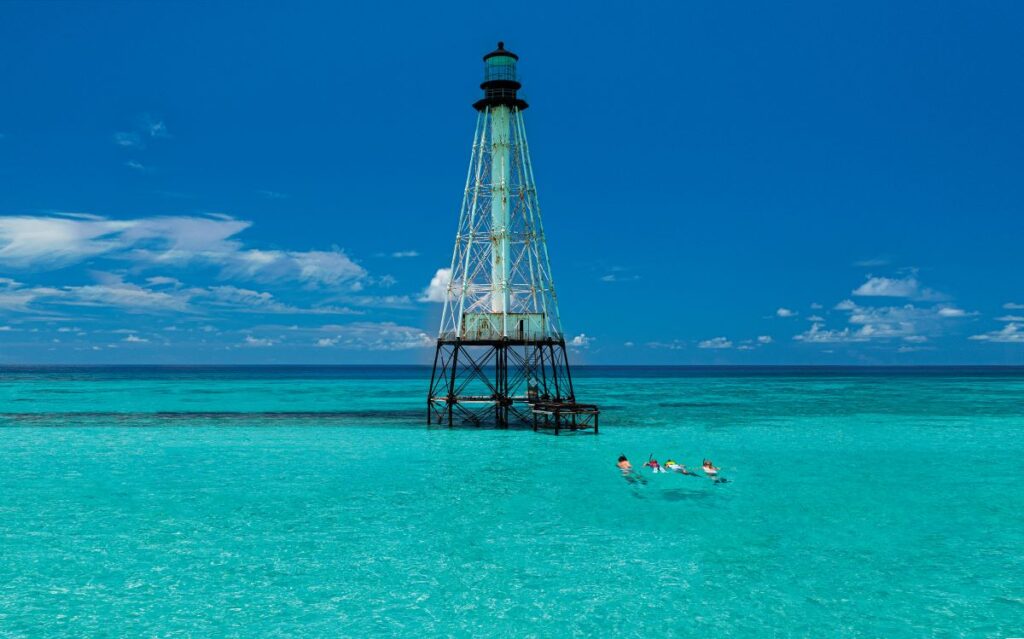
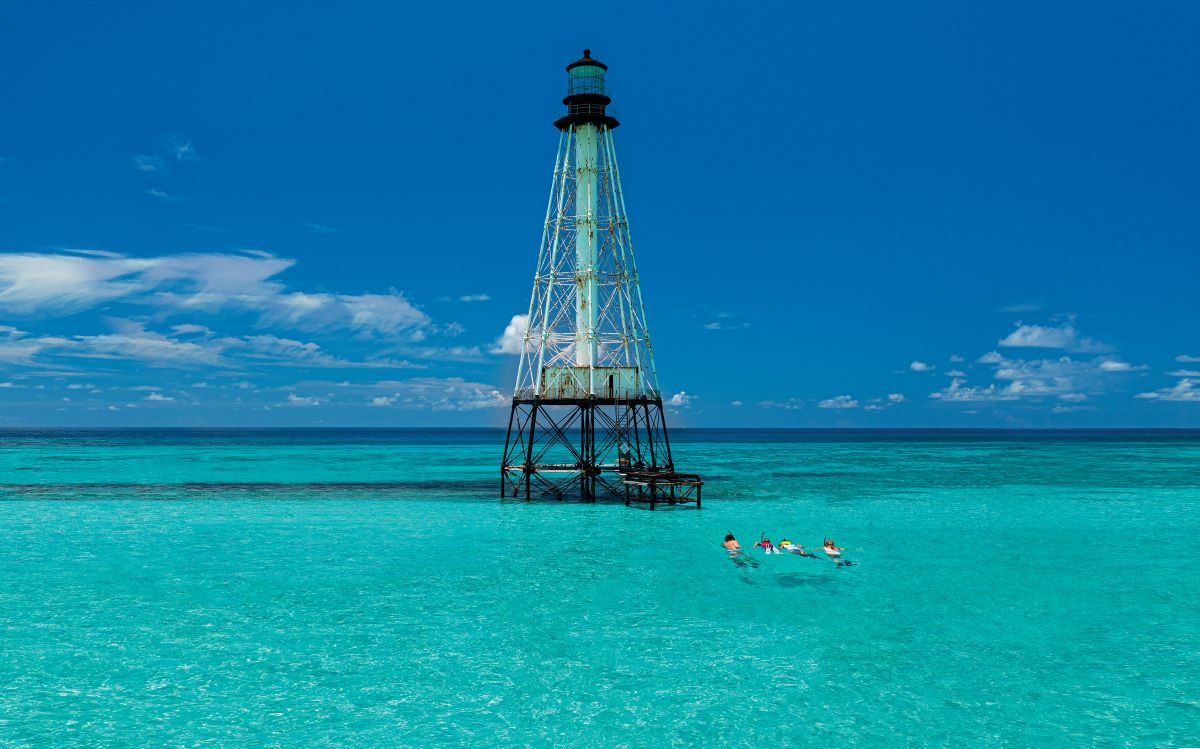
Alligator Reef – Named after the USS Alligator, which ran aground in the area in 1822, this reef lies beneath the distinctive Alligator Reef Lighthouse. Coral formations and abundant tropical marine life make it a popular dive and snorkel location.
Marathon
Sombrero Reef – One of the Middle Keys’ best-known reef sites, Sombrero Reef lies offshore from Marathon and features extensive coral formations and a wide variety of tropical marine life.
Thunderbolt – The 57.3-metre (188-foot) Thunderbolt was originally built as the cable ship Randolph and was deliberately sunk off Marathon in 1986. Sitting upright in around 36.6 metres (120 feet) of water, the wreck is heavily covered in coral and sponges and is home to large numbers of fish.
Lower Keys
Looe Key Reef – Located within the Looe Key National Marine Sanctuary, this extensive reef system is known for its coral formations and rich marine life. Divers can encounter large schools of reef fish, turtles, rays and sharks.
Adolphus Busch Sr. – The 64-metre (210-foot) former freighter was sunk in 1998 in approximately 30.5 metres (100 feet) of water southwest of Big Pine Key. The wreck has developed into a substantial artificial reef and is one of the signature wreck dives of the Lower Keys.
Key West
General Hoyt S. Vandenberg – One of the Florida Keys’ most spectacular wrecks, the 159-metre (523-foot) former US Air Force missile-tracking ship was sunk approximately 11.3 km (seven miles) south of Key West in 2009. The hull rests at around 44.2 metres (145 feet), while the superstructure rises to approximately 13.7 metres (45 feet) below the surface, creating a huge multi-level artificial reef.
Cayman Salvager – This former salvage vessel lies off Key West and forms part of the Florida Keys Wreck Trek. The wreck has become an artificial reef supporting a variety of marine life.
Joe’s Tug – A smaller wreck site off Key West and another of the vessels included in the official Wreck Trek, offering divers the opportunity to explore a more compact artificial reef.
USS Wilkes-Barre – The former Cleveland-class light cruiser was deliberately sunk off Key West in 1972 to create an artificial reef. The large wreck lies in deeper water and is regarded as an advanced dive.
Florida Keys Wreck Trek
For wreck divers, the Florida Keys Wreck Trek links nine of the region’s notable wrecks: Spiegel Grove, Duane, Benwood, Eagle, Thunderbolt, Adolphus Busch Sr., Cayman Salvager, Joe’s Tug and Vandenberg.
Together they provide an extraordinary cross-section of wreck diving, from the relatively shallow Benwood to the much deeper Vandenberg and other advanced sites.
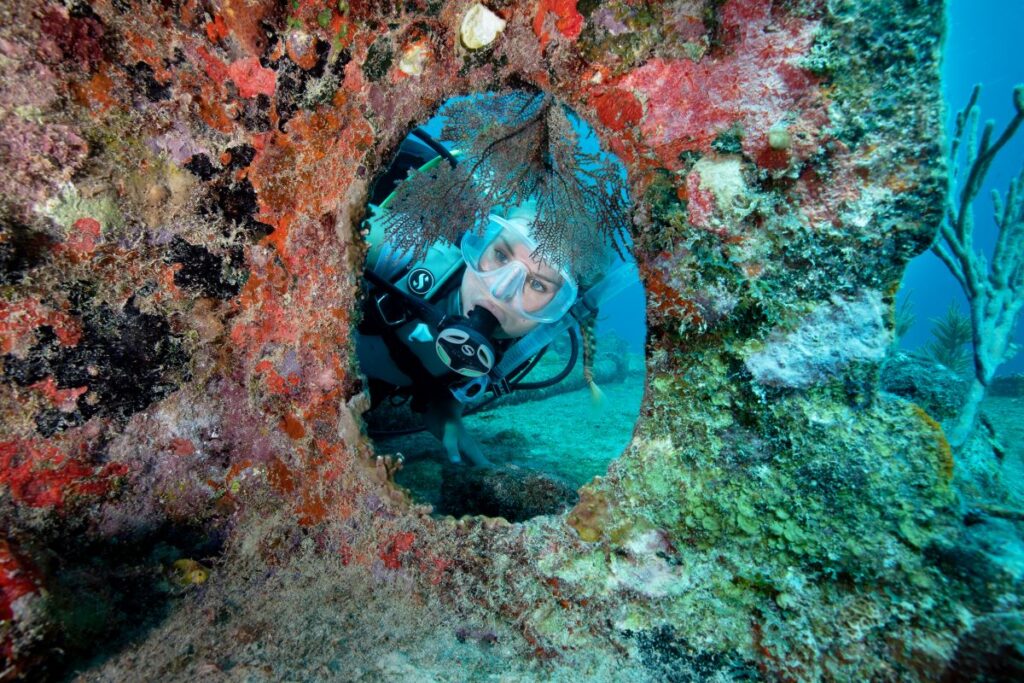
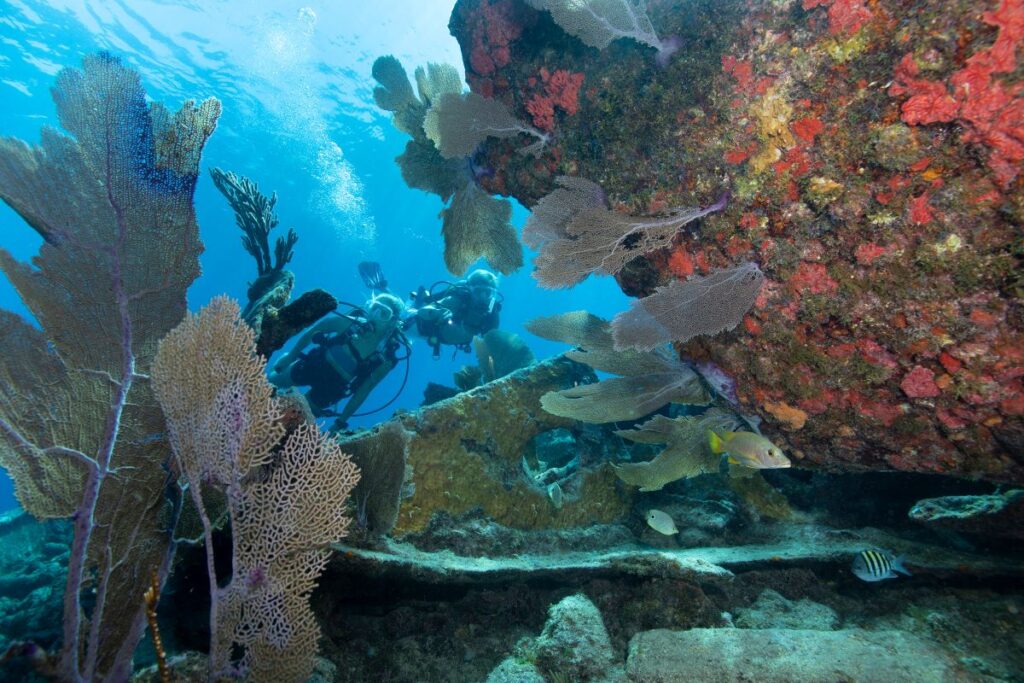
The wrecks have also become important artificial reef habitats, with coral, sponges and marine life colonising the vessels over time.


The Florida Keys offer year-round diving, with water temperatures changing considerably between winter and summer.
Winter water temperatures can fall into the low to mid-20s °C (low to mid-70s °F), while summer temperatures can reach the upper 20s to low 30s °C (upper 80s °F). October and November can offer a particularly appealing combination of warm water and quieter conditions, while the summer months generally bring the warmest water.
The Keys are affected by the Atlantic hurricane season, which officially runs from June through November, so divers should always check current weather and sea conditions when planning a trip.
No Liveaboards found.
If you own a Liveaboard in Florida Keys & Key West, please CLICK HERE to register and get your business listed!