Follow the Fish: Marine Life Could Help Reveal Hidden Shipwrecks
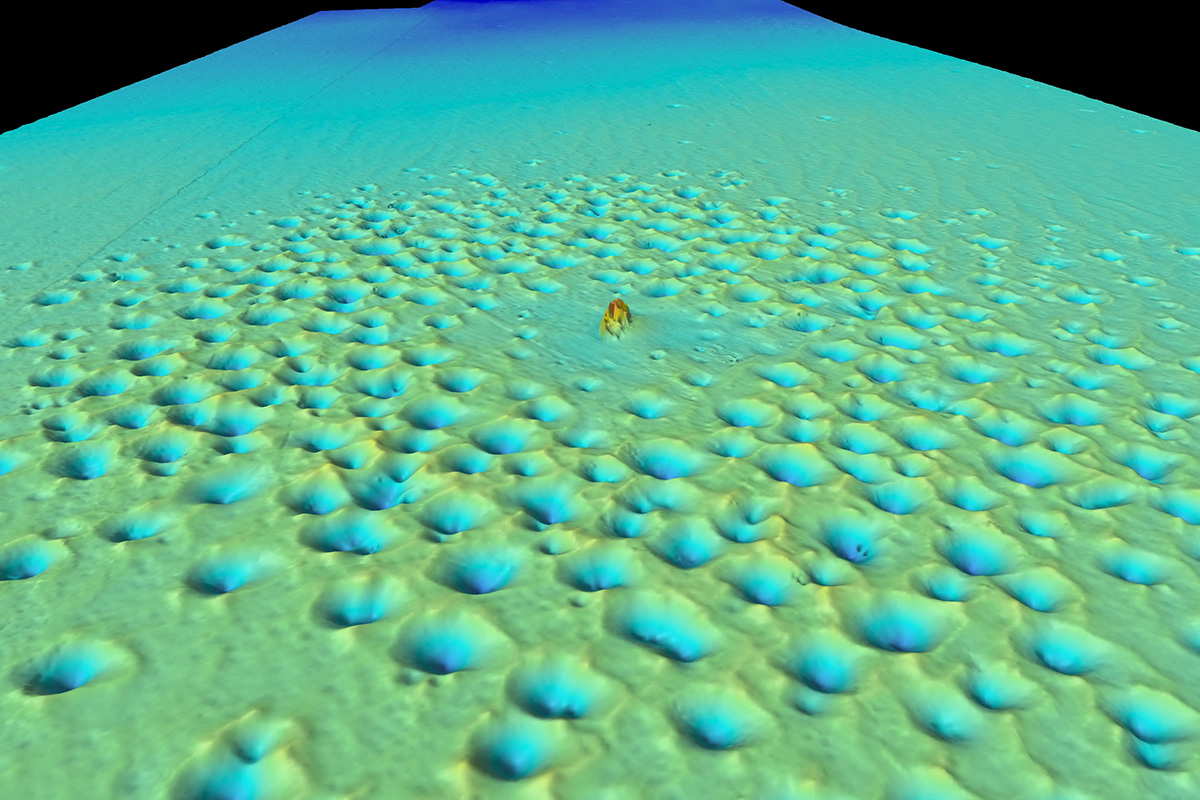
3D seafloor mapping of Althea II shipwreck (red) surrounded by a ring of mysterious holes on the seafloor. Image © CSIRO
Marine life gathering around shipwrecks could provide researchers with an unexpected clue to finding wrecks hidden beneath the ocean.
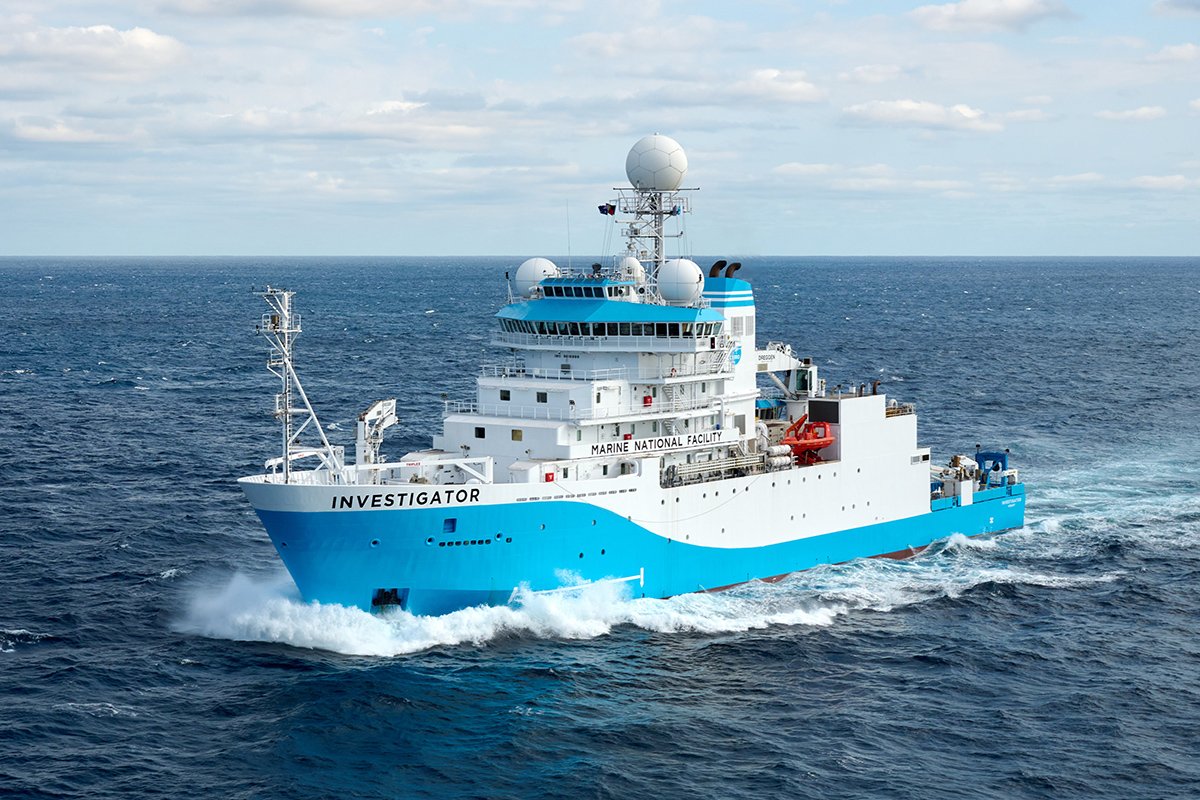
Scientists aboard Australia’s CSIRO research vessel Investigator made the observation while surveying the wreck of Althea II, a popular dive site lying in around 40 metres of water off Bundaberg, Queensland.
Detailed mapping revealed something unusual: approximately 300 circular holes surrounding the wreck, extending around 100 metres across the otherwise flat seabed. Each depression is typically around eight metres wide and two metres deep.
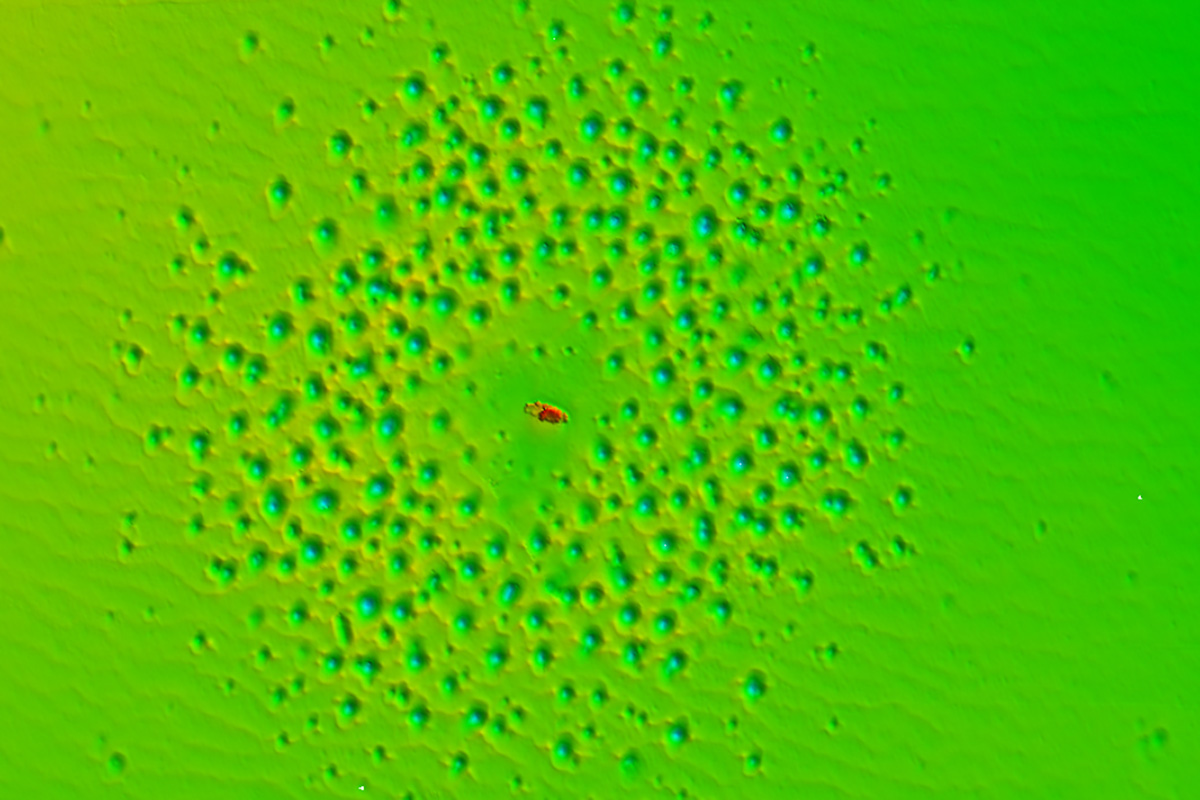
Underwater camera footage showed the wreck teeming with marine life, including large Goldspotted Rockcod. Researchers believe the holes are likely the result of bioturbation – the movement and mixing of sediment by fish, crustaceans and other animals as they feed, excavate and create shelter.
Remarkably, similar marks have already helped researchers find a lost shipwreck.
During a 2017 search for the SS Macumba, a merchant vessel sunk by Japanese aircraft during the Second World War, researchers spotted mysterious pockmarks near the edge of their search area. Suspecting they could indicate a feature nearby, the team extended its survey – and passed directly over the missing wreck, solving a 74-year-old maritime mystery.
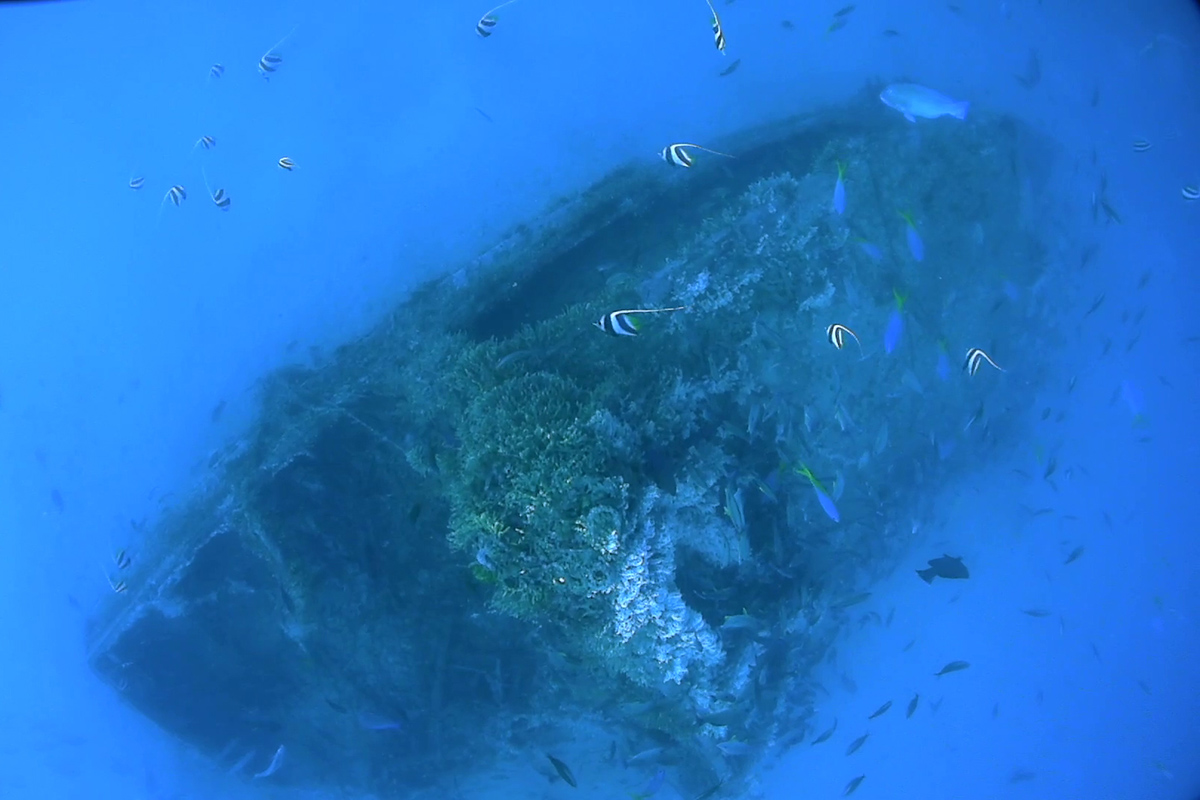
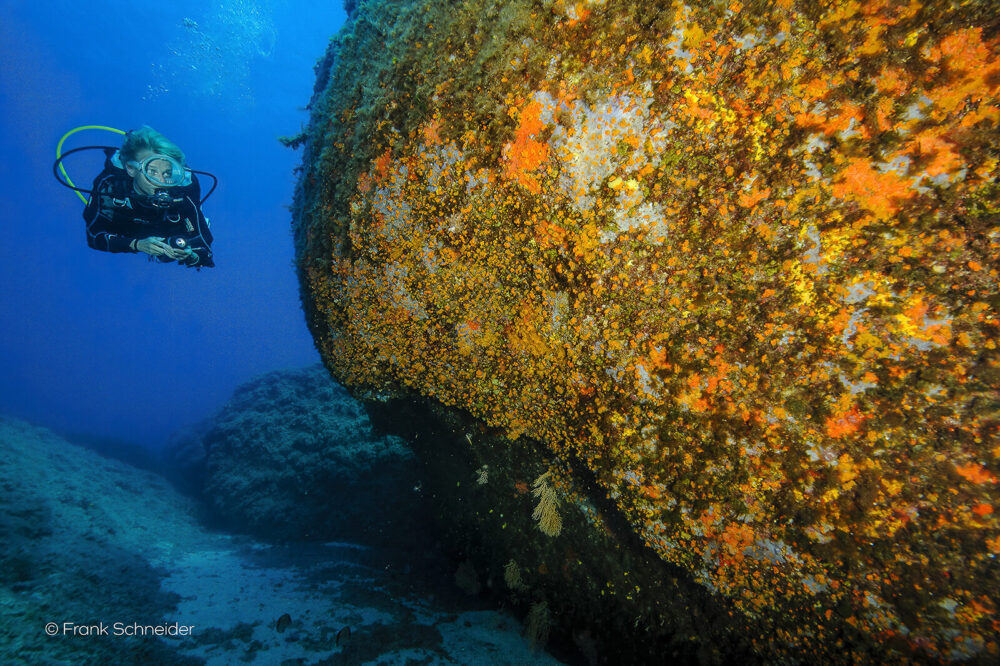
Shipwrecks can become biodiversity hotspots, providing shelter for small fish and crustaceans and attracting larger predators. Scientists now believe the marine communities that develop around them could effectively increase the detectable footprint of a wreck from a relatively small structure to an area hundreds of metres across.
Source: CSIRO Marine National Facility