Plastic pollution persists on UK beaches after heatwave summer, as Marine Conservation Society calls for Great British Beach Clean volunteers
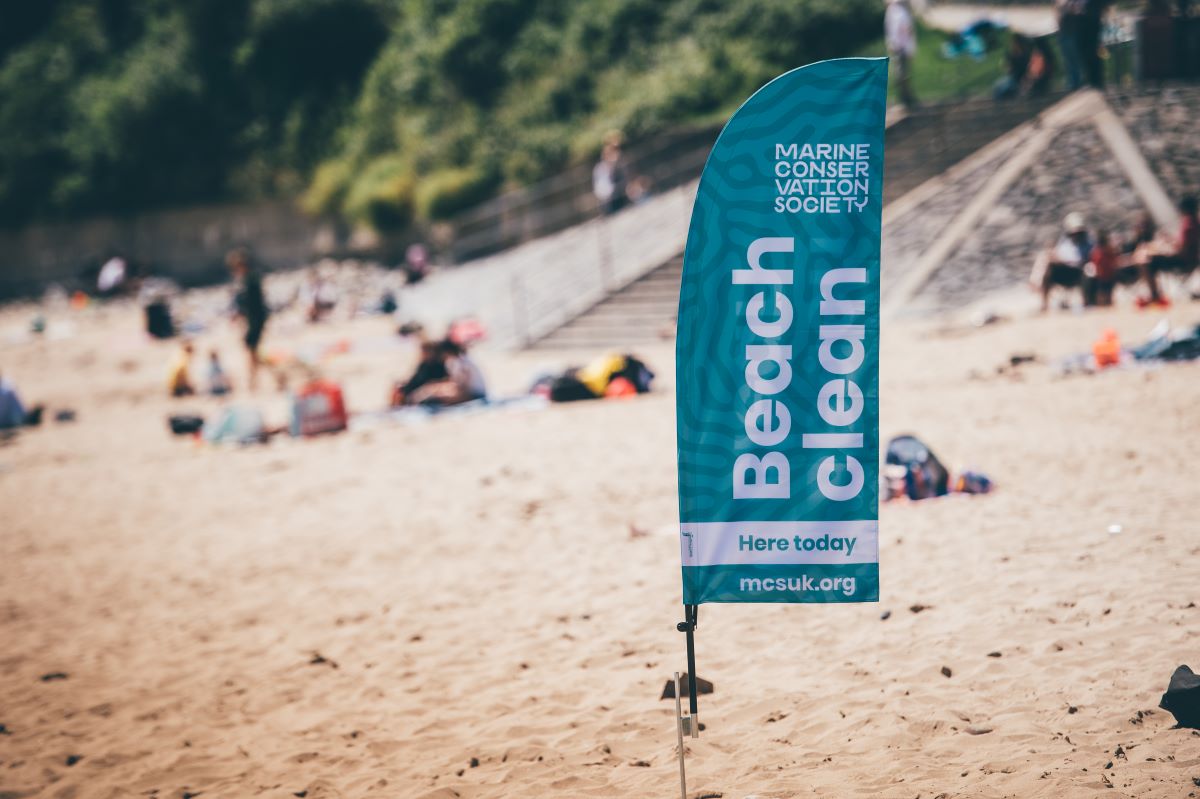
After a summer of record breaking, soaring temperatures and millions of visits to the coast, thousands of volunteers for the Marine Conservation Society will head to beaches across the UK from 18th – 27th September for the charity’s Great British Beach Clean to find and record what was littered.
Data collected will add to the charity’s Beachwatch dataset, which has tracked marine litter since 1994. Over 32 years, volunteers have recorded more than 3 million pieces of litter, creating a unique picture of how the rubbish washing up on the UK’s shores is changing.
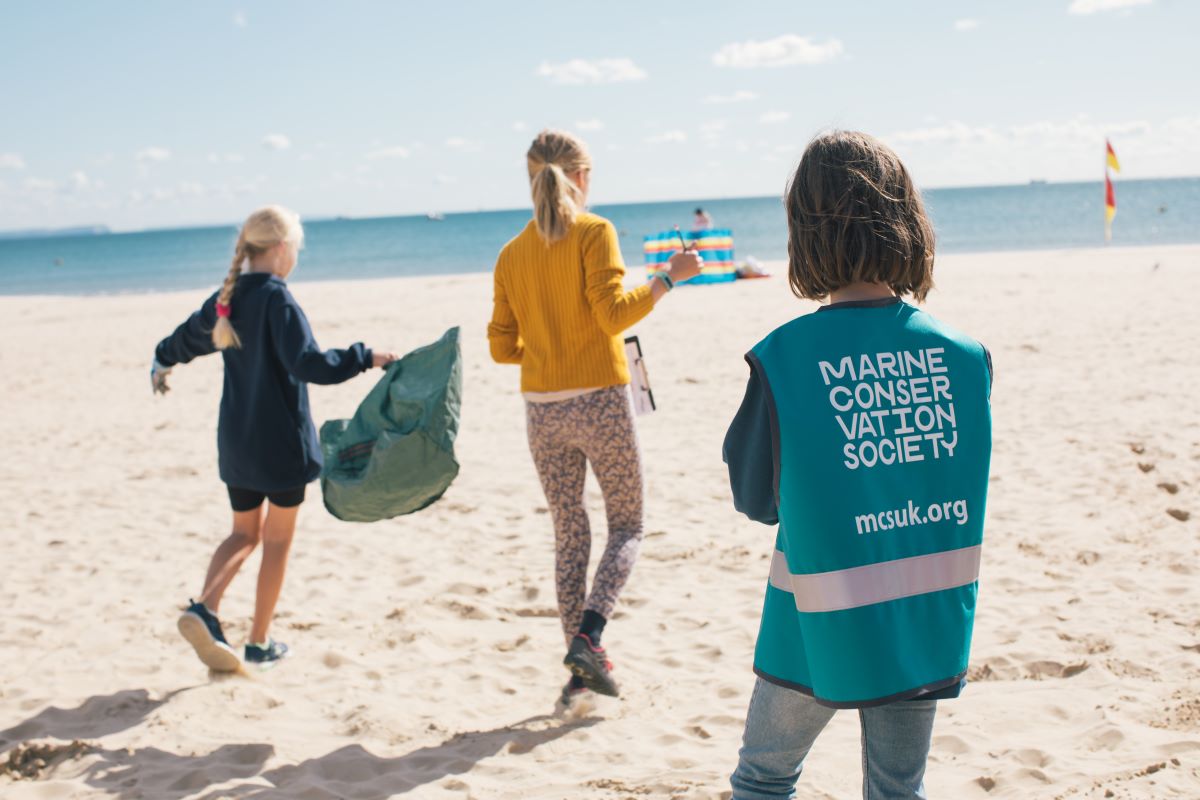

Every item recorded during a survey helps the Marine Conservation Society understand what is ending up on our coastline and campaign for action to tackle the sources of pollution. The evidence has helped support successful measures including the carrier bag charges and the legislation to tackle plastic in wet wipes.
Catherine Gemmell, Policy & Advocacy Manager at the Marine Conservation Society said, “We know simple policies can make a big difference. The number of plastic carrier bags recorded on UK beaches has fallen by 80% following the introduction of charges for single-use carrier bags. We’re looking forward to a similar drop in drinks container litter with the introduction of Deposit Return Schemes in October 2027. This is just the tip of the iceberg though; our data shows we need more policies to tackle single-use plastic at a much faster rate.”
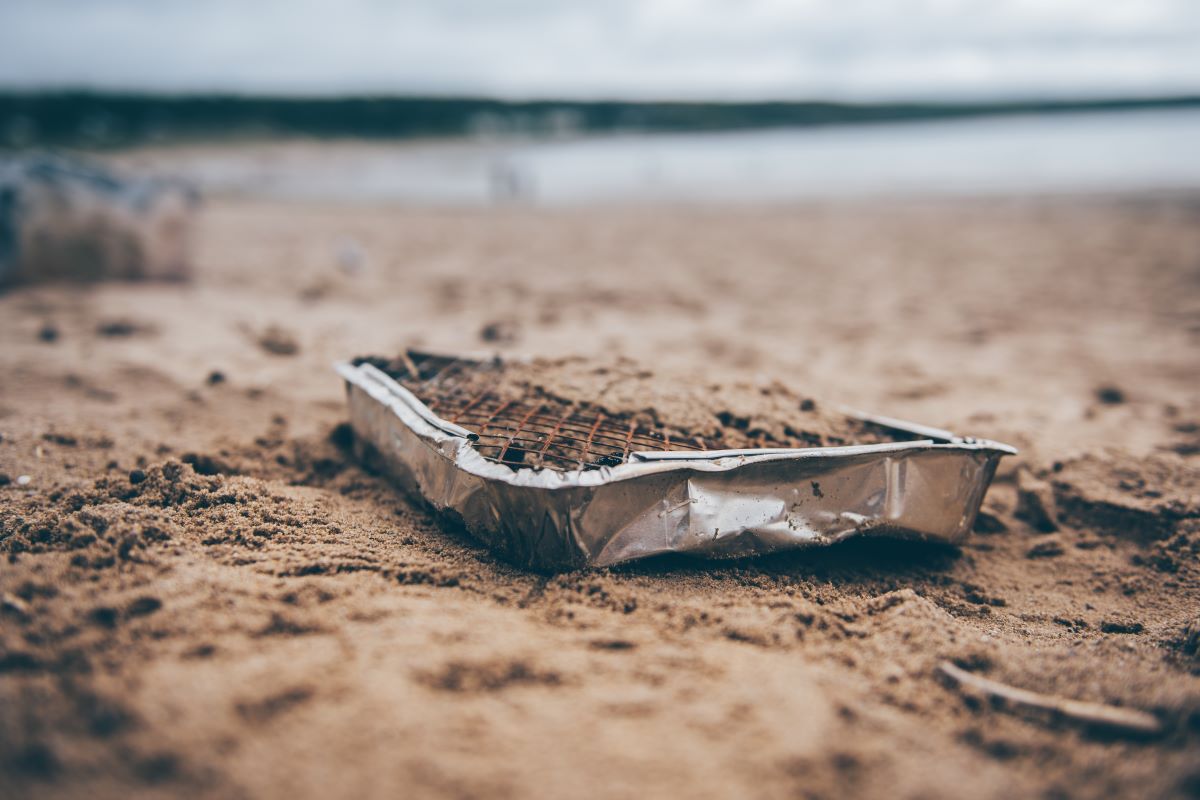
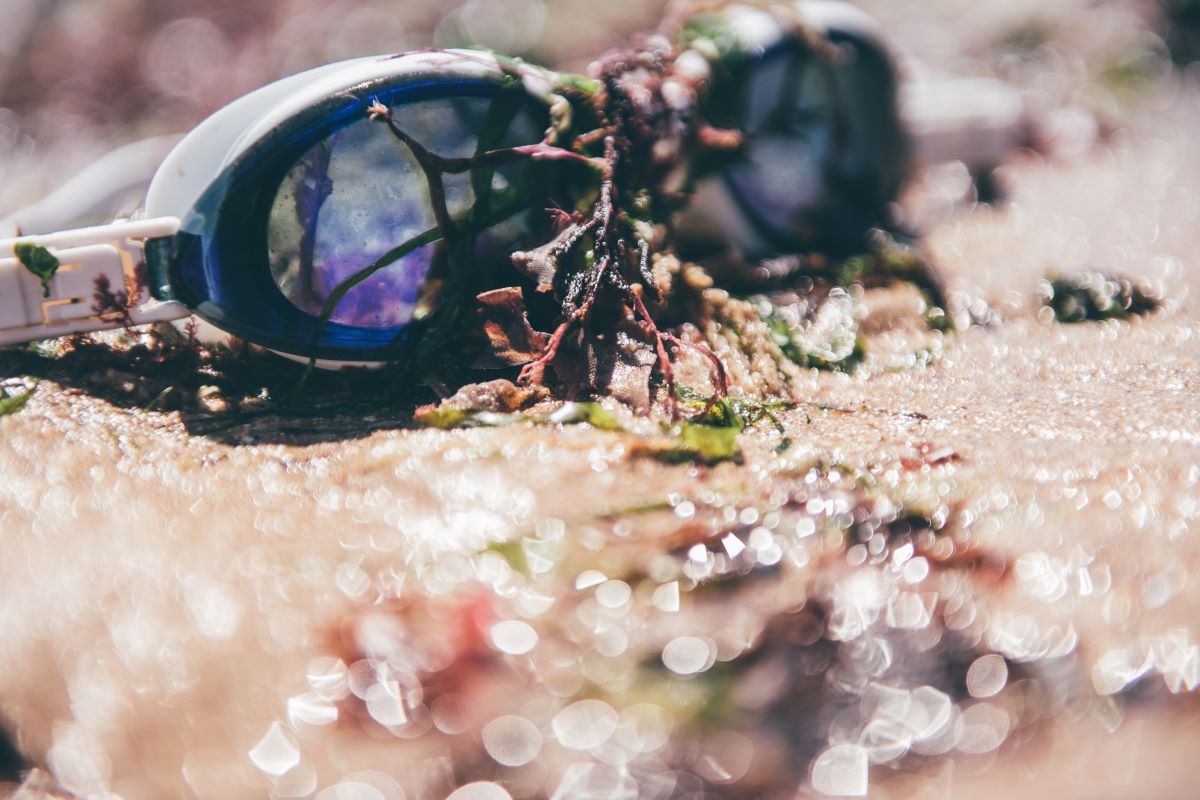
Last year, an average of 105 items made from plastic were found on every 100 metres of beach surveyed by the charity’s volunteers, accounting for 87% of all litter recorded. This represents a steady rise in the proportion of beach litter made from plastic over the past three decades – from 75% in 1995, to 81% in 2005, and 87% in 2025 – highlighting the enduring and growing scale of the plastic pollution problem.
Plastic pollution persists in the marine environment for many decades, breaking apart into ever-smaller fragments rather than simply disappearing. These microplastics can be ingested by marine animals, while larger pieces can cause injury, starvation or death through ingestion or entanglement.
The charity is asking for more to be done to turn off the tap on plastic production, reducing the amount of virgin plastic produced and getting tougher on single-use plastics.
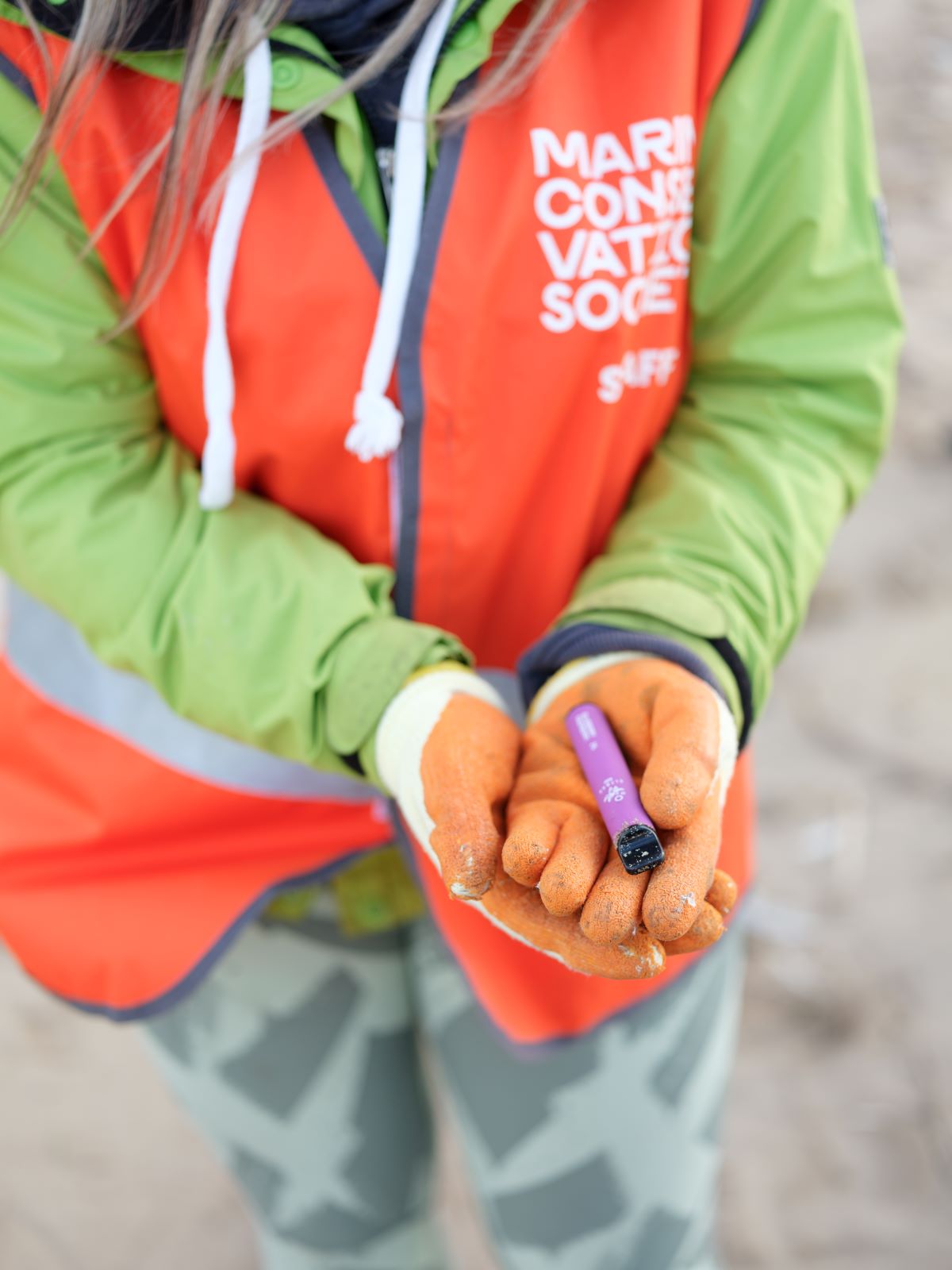
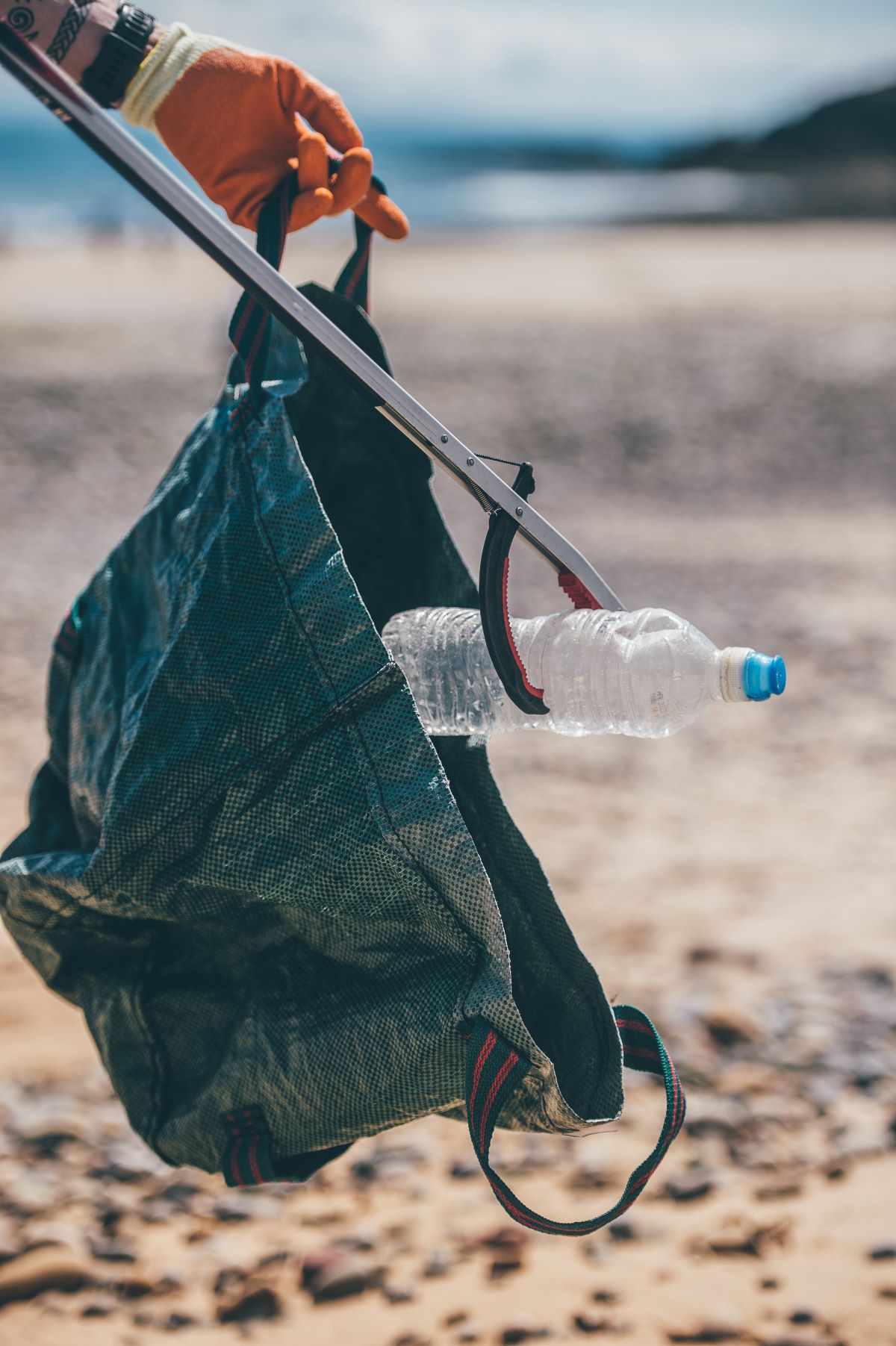
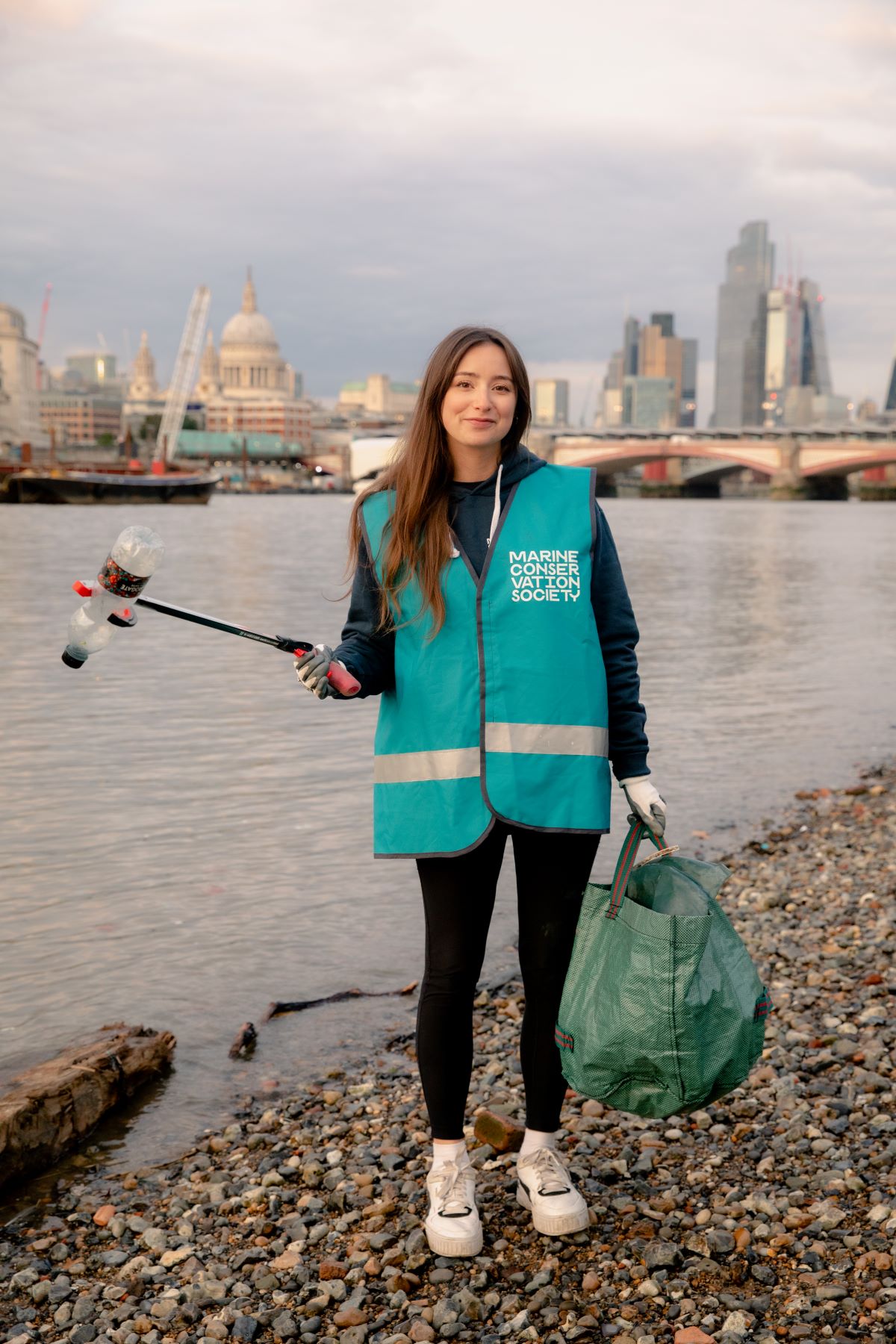
The charity has found that some plastic items are on the rise, such as plastic fast-food containers, plastic and polystyrene pieces.
In 2025, drinks-related litter was found on 95% of beach cleans, with almost 50,000 drinks-related litter items recorded. Plastic bottles alone were found on 69% of beach cleans.
Lizzie Price, Beachwatch Manager at the Marine Conservation Society, said, “More than three decades of beach clean data shows that plastic remains stubbornly prevalent with some types of plastic litter still increasing. The data our volunteers collect paints a picture of the state of our beaches and allows us to advocate for policy changes to help clear up our coast.”
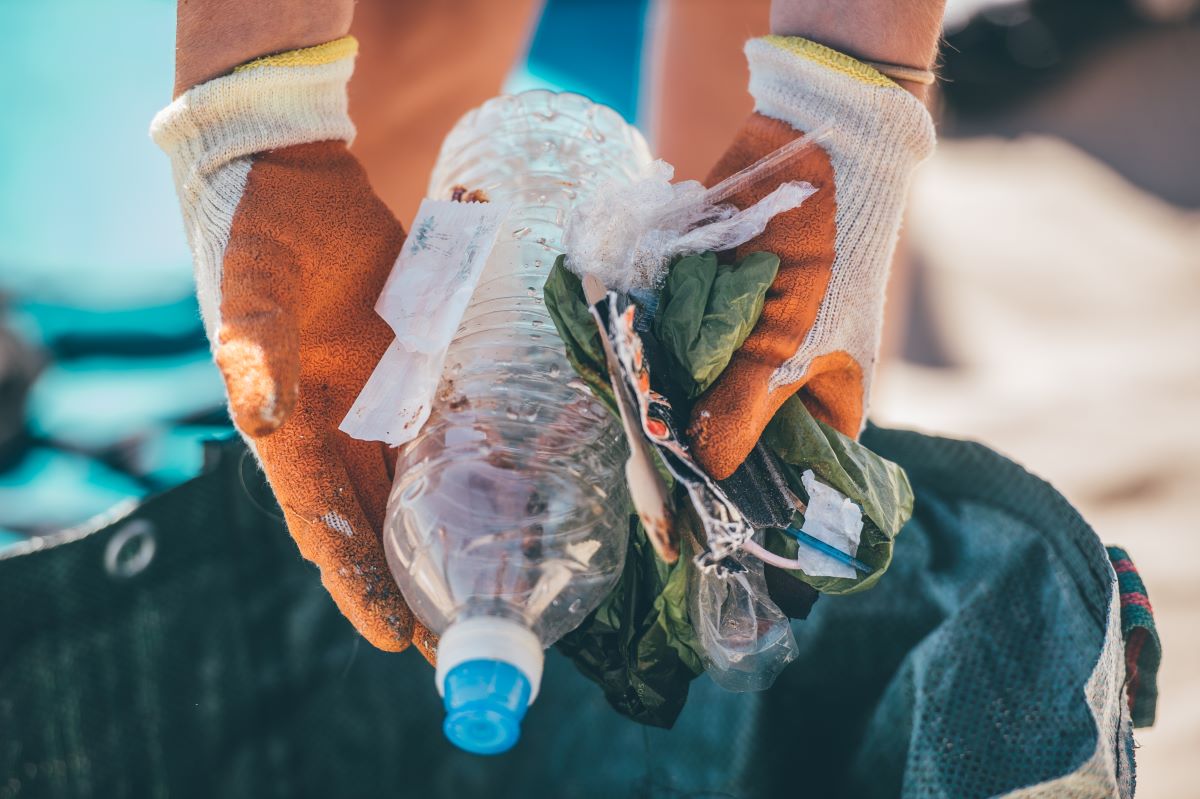
Over the last 10 years, around 50% of litter recorded by Marine Conservation Society volunteers has come from public sources, having been dropped, blown or washed onto our shores. With millions of people visiting the coast during this summer’s hot weather, this year’s Great British Beach Clean will show whether more litter has been dropped on our beaches.
With the Great British Beach Clean, supported by holidaycottages.co.uk, taking place from 18th – 27th September, the Marine Conservation Society is calling on the public to join thousands of volunteers across the UK and help track marine litter after such a hot summer.
Find a beach clean near you or organise your own: www.mcsuk.org/beach-clean