The Octopus – mysterious, intelligent and a survivor in a changing world
By Staci-Lee Sherwood
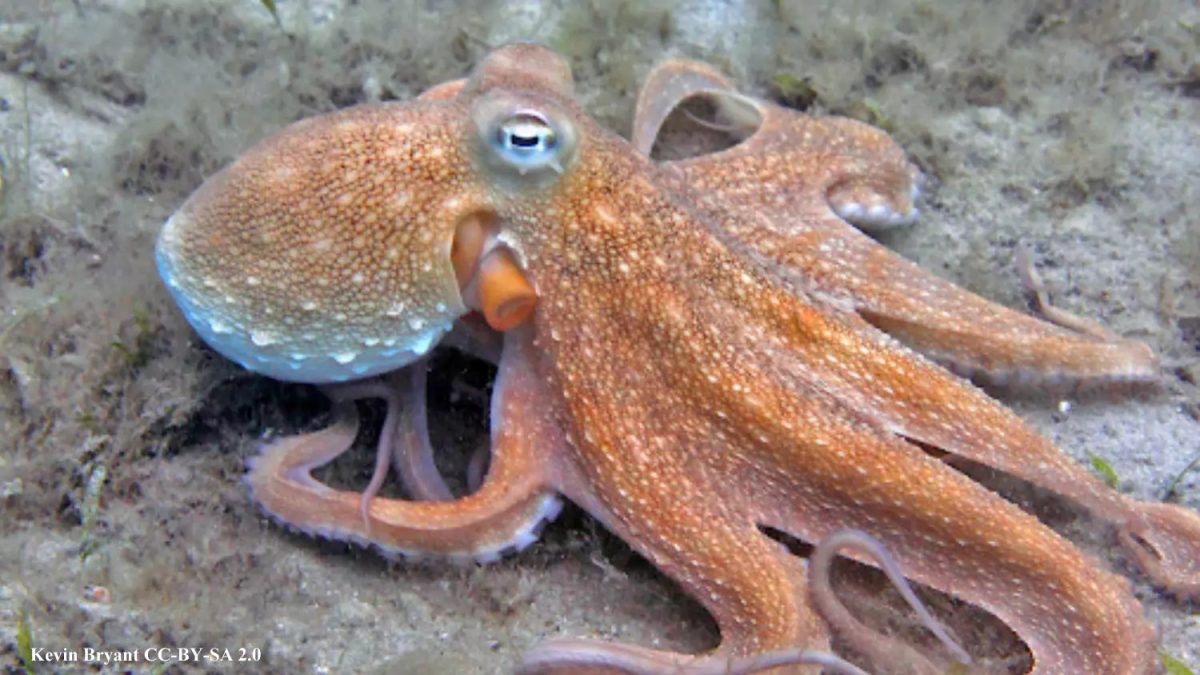
Few animals retain more mystery about what is known about them than the octopus. In 1988, a small fossil was discovered in the Bear Gulch region of what is now called Montana in the United States and later donated to the Royal Ontario Museum in Canada. Its discovery changed the timeframe of what we thought we knew about the octopus. The Syllipsimopodi bideni is about 330 million years old and predates the dinosaur era. Octopus and squid are cephalopods, a family of marine animals that include cuttlefish and nautilus.
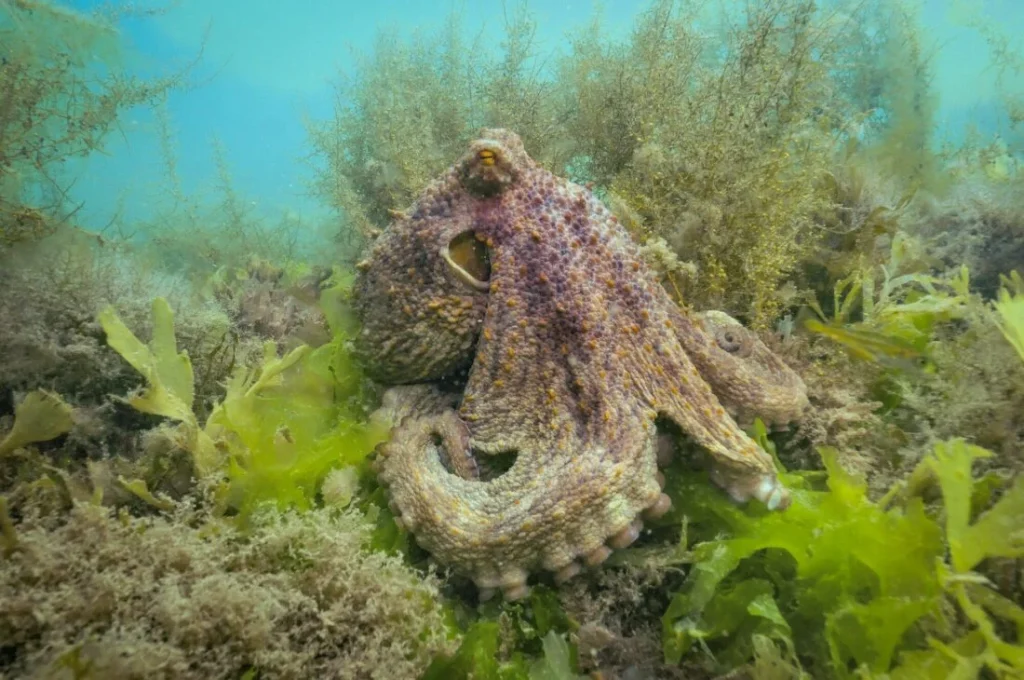
Studies have shown they’re highly intelligent and mobile. In the wild, they’re fiercely territorial. They have the ability to recognize faces and problem-solve; think of the coconut octopus that seeks out and hides in one, and how they use camouflage to hide from predators by mimicking other animals and rocks. Being intelligent, they are aware of their surroundings and would not only feel pain but have an understanding of it, just as humans do. This discovery led to them being recognized as “sentient beings” in the UK’s Animal Welfare (Sentience) Act 2022. These magical and mysterious ancient marine animals have survived five mass extinctions, the era of dinosaurs, the changing of land formations, violent weather, and two world wars.
Climate and population trends
For most species, the changing and warming climate spells more disease, violent weather, and disaster, but for the octopus, it could give them a boom in growth. They thrive in warmer water and are now able to expand into areas previously too cold for them. Biologists can’t give accurate population estimates, but overall, the global population seems to be stable for now, while some local populations are either declining or increasing. Octopuses live very short lives, from between one to five years, with females only living until their first clutch of eggs hatch. She spends her final weeks protecting and cleaning the eggs, seeing them through until the little octopuses hatch. During this time, she doesn’t leave her sea den, which means she slowly starves to death. Few females of any species would make such a sacrifice for their young.
Octopus farms
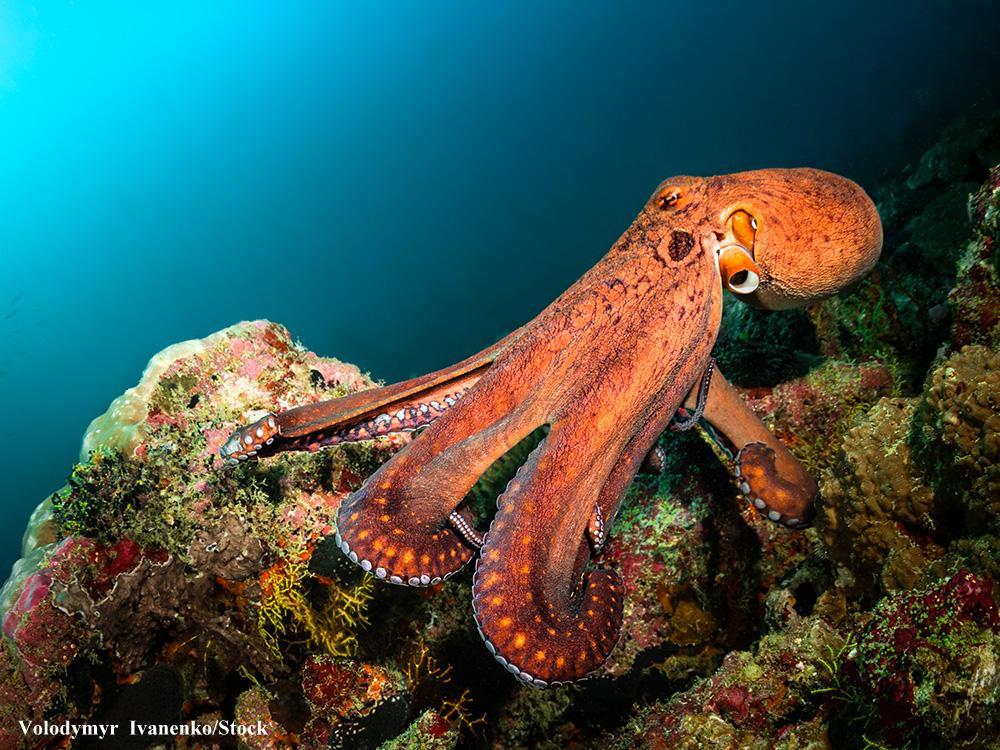
Up until a few years ago, the octopus had never been farmed commercially. There are no welfare guidelines, so any cruel method is legal. Being intelligent, they are aware of their surroundings and would not only feel pain but have an understanding of it, just as humans do. Spanish seafood company Nueva Pescanova hopes to build the largest octopus factory farm, producing 3,000 tons annually, which equals 1,000,000 farmed octopuses every year. Due to the controversy of farming a marine animal most scientists agree will not do well in a confined space, two states have taken a pre-emptive stand by banning octopus farming: California in 2024 and then Washington state. Environmental impacts from aquaculture have been well known for years. Nitrogen and phosphorus pollution, along with contamination from fertilizers and herbicides, all leaching into the water supply, can never be cleaned up. Anything that goes into a liquid will remain, regardless of claims made to the contrary.
With so many negative impacts from aquaculture, why do it? One reason is several dead zones in our oceans from overfishing and pollution drive the reasoning behind factory farming. Octopus is said to be a lean protein, but it comes with a high cost. Studies have proven how contaminated the world’s water is. By that, I mean all the water, including every stream, lake, river, and pond.
The billions of tons of pesticide runoff and herbicides sprayed into the water have forever made it a toxic soup. Anything grown in water is equally contaminated; you just don’t hear it on the ‘news’.
PCBs were banned in the U.S., U.K., and Europe in the 1980s but are still found in the water and in marine animals today. They’re also known to be found in octopus. When a Scottish orca named Lulu died in 2016, her body contained the highest levels of PCBs ever recorded, leading researchers to state she would have been treated as hazardous waste. Many toxic chemicals are found in marine animals, not just PCBs. Farming does not escape the problem of ocean pollution; all water is polluted in some fashion.
Who drives the octopus as food market
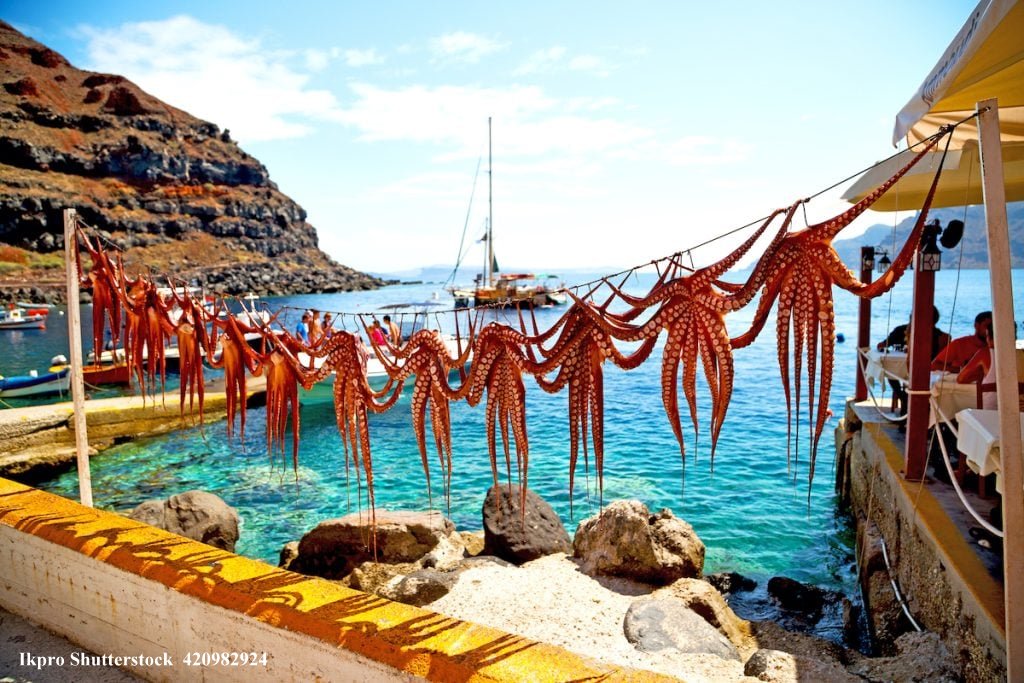
The biggest consumer and exporter of octopus is China. According to the Food and Agriculture Organization (FAO), Asia is the largest market, accounting for more than 2/3 of the global catch. China alone accounts for an estimated 1/3 of the global catch. Other large markets for consuming octopus are Japan, South Korea, Spain, Italy, and Greece, followed by other Asian and Mediterranean countries. Mexico is one of the biggest exporters, accounting for an estimated 10% of the global market.
Demand for octopus is on the rise. This is probably due to many important fisheries dying from overfishing and ocean pollution. As this market increases, so will the demand for farming and the pollution associated with marine animal farming. Without an accurate population estimate, it will also impact wild populations of octopus, even with farming. There will always be those that fish for wild octopus and just don’t report it. The Marine Stewardship Council (MSC) tries to obtain sustainability certification from producers, but as we’ve seen in the past with other organizations attempting to certify a product, verification can be tricky. Compliance and regulation are often voluntary and difficult to prove. Violations happen all the time. Think of the ‘dolphin-free’ tuna and how impossible that is to regulate and verify. In 2020 alone, the value of octopus sold was worth over 2 billion US dollars. That’s too much money for most people to give up.
How to help save them
Whether you’re a seafood lover or vegan, what you eat has a dramatic effect on your health and the ecosystem. All seafood has some level of contamination from herbicides, PCBs, or mercury. It’s safest to consume the cleanest organic non-GMO food available. The oceans are so overfished you might ask yourself how necessary it is to keep eating something that supports the most destructive industry: commercial fishing. It might be time to make a change for both your health and the health of the planet.
Consider going off seafood or at least not consuming octopus. The meat industry thrives on consumers thinking their food has no feelings and that their practices are clean and humane. None of that is true. Factory farming is filthy, and even worse are the conditions in aquaculture. Do some research on your own and see for yourself where your food comes from. For many, eating an animal that could be a pet or has high intelligence and feelings like we do would be enough to skip having them as dinner.
Click here to sign a petition to stop more farms: https://joinanimalhero.org/sign/octopus-farm-mexico-yIKjJU?ref=1a17d6
If you have Netflix, watch the hit documentary “My Octopus Teacher,” which shows how human-like they can be and might get you thinking about how valuable they are living free in the ocean and not dead on the dinner plate: https://www.netflix.com/title/81045007