Top Destinations to dive with Manta Rays
 In their mission to create a billion Torchbearers to explore and protect the ocean, PADI is encouraging divers to seek adventure and experience first-hand the vital eco-systems below the surface of the ocean.
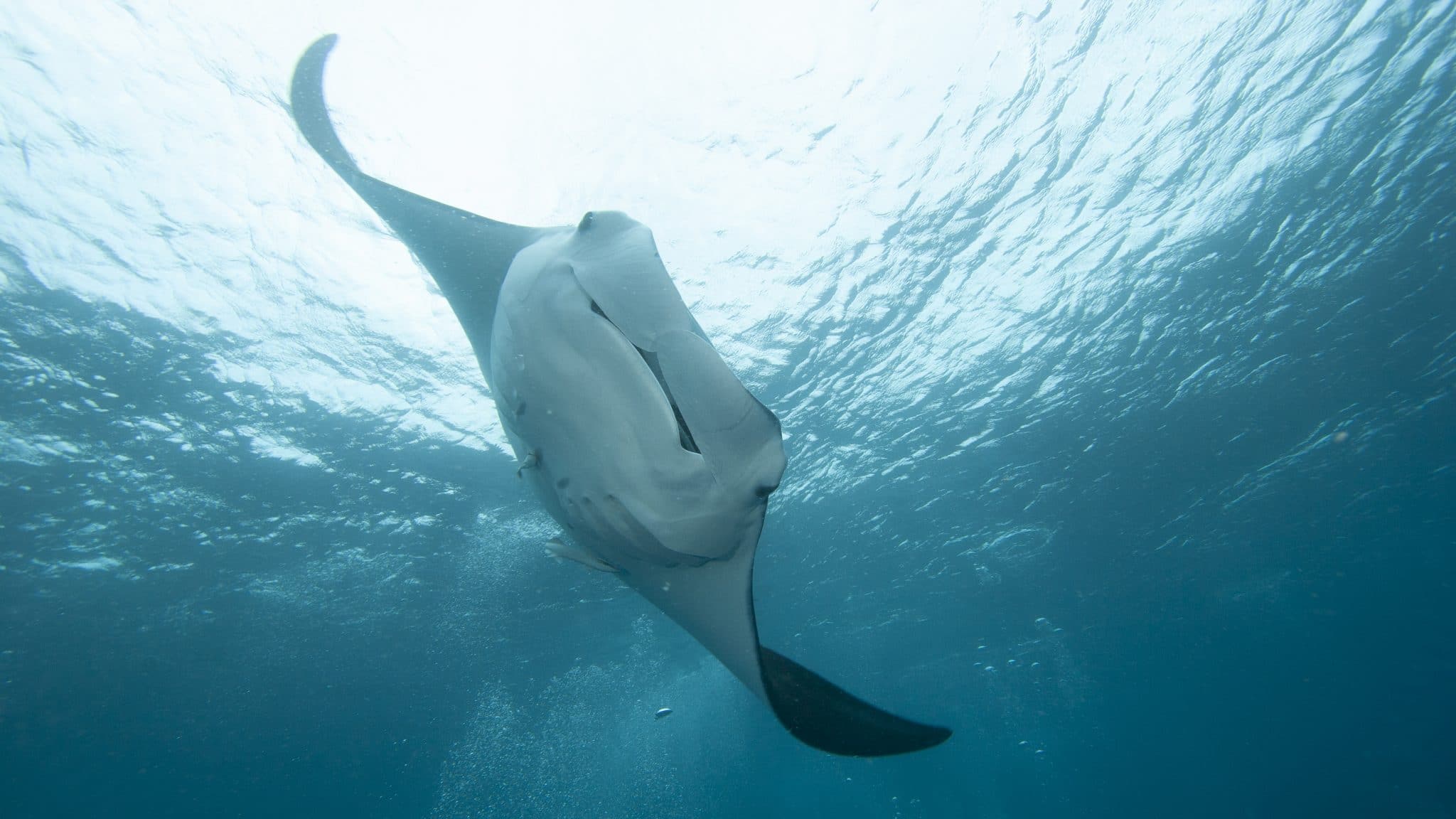
To further raise awareness of this mission on International Manta Ray Day (17 September 2021), PADI has rounded up the top destinations in the world that are currently open to divers.
Machadilla National Park, Isla de la Plata, Ecuador
Diving in Ecuador offers a special paradise for scuba divers, in which the chance of encountering marine species nowhere else on earth is extremely high due to the heavy currents and nutrient rich waters. And for those keen to dive with manta rays, head out with PADI 5 Star Dive Center Exploramar Diving, or PADI 5 Star Dive Center Mares Ecuador here they take divers out to Machadilla National Park in Isla de la Plata for a chance to greet these graceful creatures every July to September.

Find out more with PADI’s Dive Guide for Ecuador
Kona, Big Island, Hawaii
Hawaii’s volcanic origins and isolated geographical location makes for a whirlwind of scuba diving encounters underwater, with manta ray encounters being likely all year long. For those looking for an extra special experience, PADI 5 Star Dive Center Jack’s Diving Locker offers a manta ray night dive and a PADI Distinctive Specialty Course called Manta Ray Diver, which covers everything from the manta ray anatomy to cleaning habits, reproduction and how to identify individual rays in the local population.

Find out more with PADI’s Dive Guide for Hawaii
Bryon Bay, Australia
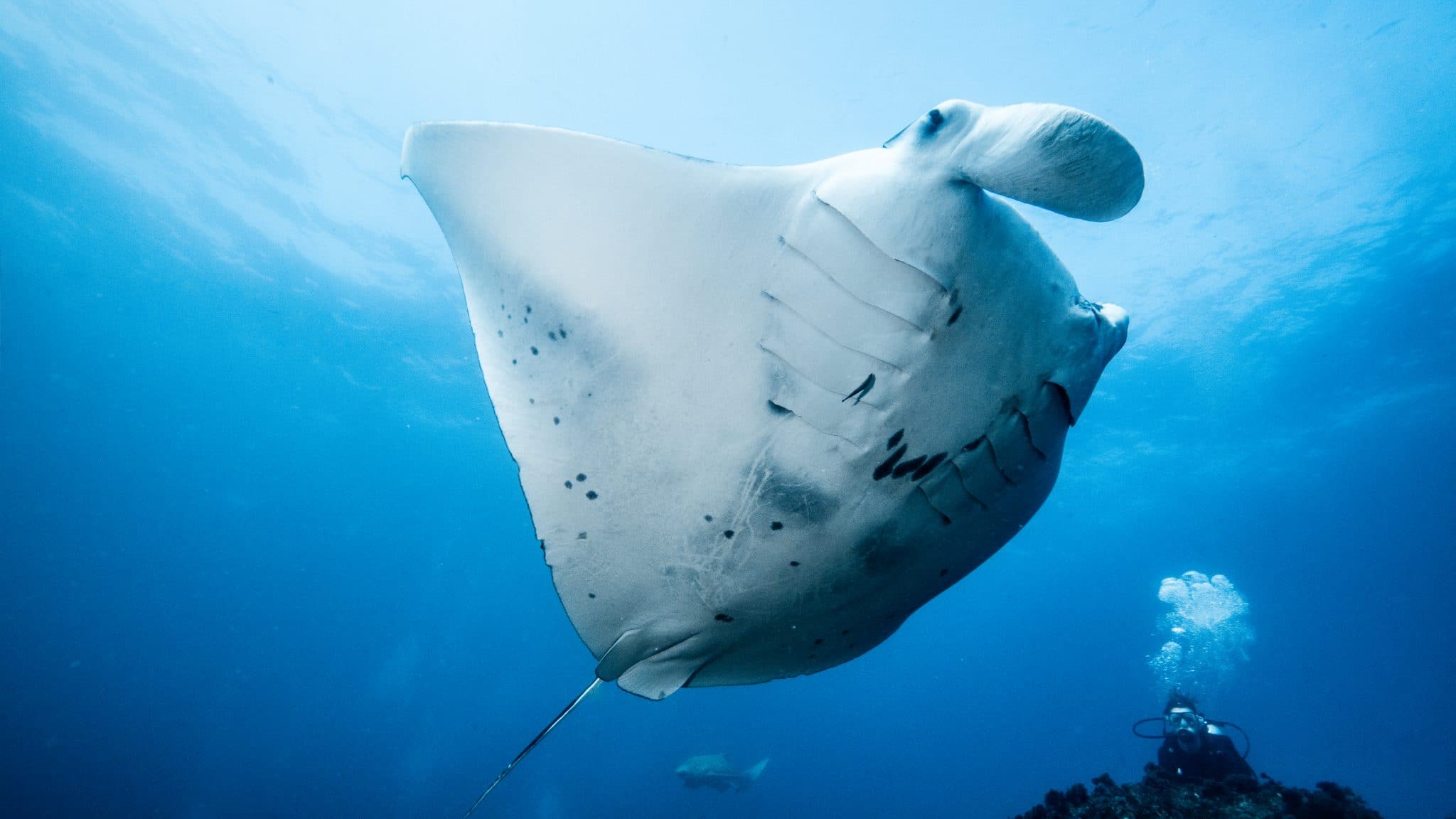
For those who are currently in Australia, they can have their backyard manta ray encounter with PADI 5 Star Dive Center Sundive Byron Bay. The summer months of December to May bring manta rays to the nearby Julia Rocks Marine Reserve, which National Geographic once acknowledged as one of the top 20 dives in the world.
Find out more with PADI’s Dive Guide for Australia
Manta Point, Nusa Penida, Bali
The name speaks for itself. Manta Point in Bali is a haven for manta rays all year long, with the best time to see them being from April to May. PADI 5 Star Dive Center and Resort Scuba Junkie Penida offers the ultimate manta ray diving experience in the area, adding coral dives and drift dives to the day’s adventure.

Find out more with PADI’ Dive Guide for Bali
Komodo National Park, Labuan Bajo, Indonesia
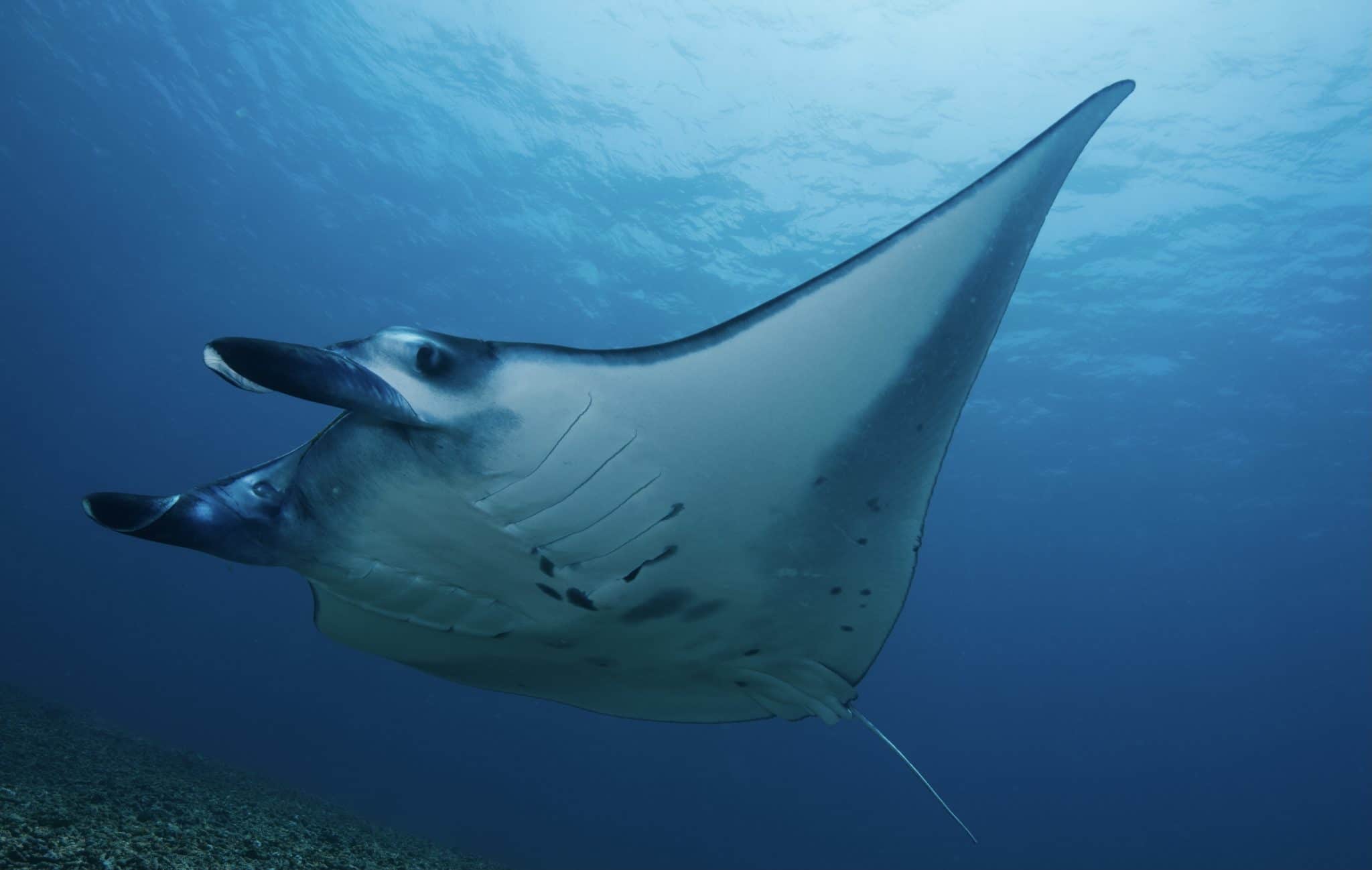
One of Indonesia’s most famous diving destinations is also one of the best places to dive with manta rays! PADI 5 Star Dive Resort Blue Marlin Komodo is the perfect place for a manta ray holiday, where divers can stay at the dive resort while getting their PADI Open Water Diver certification and then hop aboard their dive vessel for a day of diving out at sea with manta rays!
Find out more with PADI’s Dive Guide for Indonesia
Six Senses Manta Point, Laamu Atoll, Maldives
Crystal clear warm waters, white sandy beaches and manta rays—PADI 5 Star Dive Resort Six Senses Laamu offers the ultimate luxurious manta ray holiday. As the only dive resort in the Laamu Atoll, divers of all levels will have extremely personable encounters with manta rays every month of the year in this world-class diving area. There are also more than 180 PADI Dive Centers and Resorts in the Maldives that can take divers out to have a manta ray encounter.
Find out more with PADI’s Dive Guide for the Maldives
Azores, Portugal
The islands that make up the Azores off the coast of Portugal are one of the most diverse for marine life. One specific type of manta rays known as the Mobula birostris is known tohang out in large groups around the island of St. Maria between June and October, with PADI 5 Star Haliotis Dive Center offering guided boat trips to the island.

Find out more with PADI’s Dive Guide for Portugal
Diving with whale sharks and manta rays can make a difference in protecting these incredible species for future generations – dive tourism encourages protection from local communities and governments. But its important to always adhere to local guidelines and best practices to ensure these creatures’ well-being is always at the forefront. PADI dive operators understand the importance of using the proper equipment, the time of day to dive with sharks, and the maximum number of operators that should be on the water at any given time. To learn more about responsible shark and ray tourism and other ways you can support the protection of these incredible animals, visit padi.com/aware/sharks.