
Destinations
Africa
Africa offers diverse scuba diving experiences along its Atlantic and Indian Ocean coastlines. South Africa stands out for its big animal encounters, including the dramatic Sardine Run and shark diving hotspots like Aliwal Shoal and Protea Banks, where divers can encounter oceanic blacktip, bull, tiger, and ragged-tooth sharks. In Cape Town, colder waters host kelp forests home to sevengill sharks and Cape fur seals, while great white sharks—long associated with False Bay and Gansbaai—remain an iconic, though more elusive, draw for adventurous divers.
Mozambique offers warm, tropical waters and rich biodiversity, particularly around Tofo and the Bazaruto Archipelago, where whale sharks, manta rays, and seasonal humpback whales are frequently seen. The Quirimbas Archipelago in the north remains largely untouched, with healthy reefs and fewer crowds.
Tanzania features popular diving around the Zanzibar Archipelago and Mafia Island. Mafia Island Marine Park is a hotspot for whale sharks, and Zanzibar’s reefs, walls, and wrecks offer colourful, accessible diving for all levels. Kenya, just to the north, has several strong dive locations along its Indian Ocean coastline. The Kisite-Mpunguti and Watamu Marine Parks protect vibrant coral reefs teeming with turtles, reef fish, and occasional pelagic visitors. Diving here is seasonal, but conditions are generally calm with good visibility and warm waters.
Island nations like Mauritius and Seychelles offer classic tropical diving. Mauritius is known for coral gardens, caves, and wrecks, particularly near Flic en Flac and Grand Baie. Seychelles combines granite reefs and coral atolls, offering both scenic and remote diving opportunities.
Visibility across these destinations ranges from 20 to 40 meters, with water temperatures typically between 24°C and 30°C. Africa’s dive infrastructure varies by region, but its combination of marine megafauna, coral diversity, and adventure diving makes it a standout on the global map.
Discover moreAsia
Asia is home to some of the world’s richest and most diverse scuba diving destinations, spanning from the coral reefs of Southeast Asia to the cooler waters of the north. Indonesia’s vast archipelago, including the Coral Triangle region with areas like Raja Ampat, Komodo, and the Banda Sea, offers extraordinary marine biodiversity with thriving coral reefs, large schools of fish, and encounters with manta rays, whale sharks, and rare critters. Dive sites range from shallow reefs ideal for beginners to deep walls and strong currents for experienced divers.
The Philippines features colorful coral reefs and diverse marine life across popular spots such as Tubbataha Reefs Natural Park, Apo Reef, and Malapascua, where divers can see thresher sharks. Malaysia’s diving hotspots include the islands of Sipadan, Mabul, and Layang-Layang, known for crystal-clear waters, turtles, and pelagic species like barracudas and sharks. Thailand offers a variety of dive destinations, including the Similan Islands and Koh Tao, catering to a range of skill levels with spectacular underwater landscapes.
Further north, Japan provides unique cold-water diving experiences with kelp forests, diverse fish species, and underwater ice diving near Hokkaido. The Andaman Sea, shared by Thailand and Myanmar, is known for warm waters, excellent visibility, and rich coral reefs.
Vietnam’s diving is concentrated around sites such as the Con Dao Islands and Nha Trang, featuring healthy reefs, extensive coral gardens, and a mix of tropical fish species. Visibility can vary seasonally but is generally good during peak months, offering opportunities to explore both shallow and deeper dive sites suited to a variety of skill levels.
Asia’s diving conditions vary widely, from warm tropical waters with visibility often exceeding 30 meters to cooler temperate seas. Infrastructure ranges from world-class dive resorts and liveaboards to remote, less developed areas, making Asia a top choice for divers seeking variety and adventure.
Discover more

Caribbean
The Caribbean offers some of the most accessible and diverse diving in the world, with warm waters, excellent visibility, and varied underwater landscapes. The Bahamas is famous for its clear blue waters, dramatic drop-offs, and blue holes, attracting divers seeking shark encounters, including tiger and hammerhead sharks. The Cayman Islands—Grand Cayman, Little Cayman, and Cayman Brac—are renowned for their healthy reefs, wall dives, and famous sites like Bloody Bay Marine Park, offering encounters with turtles, rays, and abundant reef fish. Stingray City on Grand Cayman is a popular shallow dive and snorkel site where divers can interact closely with friendly southern stingrays.
Barbados features coral reefs and wreck diving, with sites such as the Stavronikita wreck appealing to divers interested in history and marine life. The British Virgin Islands (BVIs) provide a mix of shallow reefs, wrecks, and dramatic underwater topography, suitable for divers of all skill levels.
Tobago and Saint Lucia both offer thriving coral reefs, walls, and wreck sites, with Saint Lucia also notable for its volcanic underwater landscapes near the famous Pitons. The Dutch Caribbean islands—Bonaire, Curaçao, Aruba, Saba, and St. Eustatius—are prized for their well-preserved reefs, excellent shore diving, and marine parks. Bonaire, in particular, is a leader in marine conservation, boasting easily accessible reefs with healthy coral and abundant marine life. Curaçao features a diverse range of dive sites, including coral reefs, walls, tunnels, and wrecks, with vibrant marine life and good shore diving options that are easily accessible from the capital, Willemstad.
Saba and St. Eustatius are known for their steep volcanic walls and rich biodiversity, attracting divers seeking dramatic underwater terrain. Aruba offers a mix of calm reef dives and interesting wreck sites, with consistently good visibility and warm waters year-round.
The Caribbean’s diving conditions generally feature water temperatures between 26°C and 29°C, with visibility often exceeding 30 meters. Infrastructure is well-developed across these islands, with many dive centers, liveaboards, and resorts catering to all levels. The region’s blend of thriving reefs, wrecks, and big animal encounters makes it a perennial favorite among divers worldwide.
Discover more
Europe
Europe offers an exceptional range of scuba diving opportunities, from temperate waters to colder northern seas. The Mediterranean and Atlantic coasts, along with island territories, provide experiences that cater to every level of diver. Popular destinations include Malta and Gozo, known for clear visibility, dramatic drop-offs, swim-throughs, and an impressive array of wrecks. Cyprus is another favourite, especially for those looking to dive the famous Zenobia ferry wreck. In Spain and Portugal, the Costa Brava, Algarve, and the Canary Islands are key hotspots, offering a mix of caves, marine life, and volcanic formations. The Canary Islands, situated off the north coast of Africa, boast year-round diving with unique lava landscapes and frequent sightings of rays, turtles, and barracuda.
The Azores, a Portuguese archipelago in the mid-Atlantic, are a dream for adventurous divers, with blue sharks, mobula rays, and even the chance of whale sightings. Greece, with its blend of history and marine life, is growing in popularity thanks to recent changes in diving regulations that have opened up previously restricted sites. Croatia’s stunning Adriatic coastline and islands are also drawing increased interest for their accessible wrecks and underwater topography. Iceland provides truly unique diving, with the Silfra fissure offering the chance to dive between two tectonic plates in glacially filtered water with exceptional visibility.
The UK and Ireland provide some of the best cold-water diving in the world, particularly for wreck divers. From Scapa Flow in Scotland to the south coast of England and beyond, the region is home to thousands of wrecks, ranging from warships to merchant vessels. Rich kelp forests, reefs, and seal colonies also await more adventurous divers. Gibraltar, Sardinia, and other parts of the western and central Mediterranean further round out Europe’s offerings, each with its own underwater highlights. Whether it’s marine biodiversity, historic wrecks, or geological wonders, Europe has something for every diver.
Discover more
Maldives
The Maldives is one of the world’s most celebrated diving destinations, offering clear turquoise waters, abundant marine life, and idyllic island settings. Located in the Indian Ocean, this tropical nation comprises 26 atolls and over a thousand coral islands, many fringed by healthy reefs.
Diving here is defined by its variety: from drift dives through deep channels to gentle reef explorations and spectacular encounters with large marine animals. The Maldives is particularly known for its population of reef sharks, including grey reef and white-tip reef sharks, which are regularly seen patrolling outer reef walls and drop-offs.
Manta rays are another highlight. Between May and November, during the southwest monsoon, sites like Hanifaru Bay in Baa Atoll become hotspots for manta gatherings and even whale shark sightings. In the southern atolls and around Ari Atoll, whale sharks are frequently seen year-round.
Liveaboards are a popular way to dive the Maldives, allowing access to remote atolls and diverse sites across large areas. Resort-based diving is also widely available, with many islands offering excellent house reefs just offshore.
Macro life is also present for keen-eyed divers and photographers, with nudibranchs, frogfish, ghost pipefish, and shrimp hiding in the reef. Coral gardens, overhangs, and pinnacles add to the variety and beauty of the underwater terrain.
With warm water, good visibility, and a mix of big and small marine life, the Maldives offers something for every diver. Whether you’re new to the sport or highly experienced, it remains a dream destination with reliable conditions and unforgettable encounters.
Discover more
Oceania
Oceania offers some of the world’s most iconic and diverse diving experiences, from the expansive reefs of Australia to the remote islands of Micronesia and the shark-filled passes of French Polynesia. This vast region has something to offer every diver.
Australia’s Great Barrier Reef stretches over 2,000 kilometres, offering coral gardens, reef sharks, and dazzling biodiversity. The Coral Sea is home to dramatic walls and pelagic species, while cooler southern sites reveal kelp forests and weedy sea dragons.
In New Zealand, the Poor Knights Islands offer temperate-water diving with arches, tunnels, and dense schools of fish. Fiordland’s deep, sheltered inlets hide black coral forests and even rare six-gill sharks.
French Polynesia is famed for its crystal-clear lagoons and heart-pounding shark dives. Fakarava and Rangiroa attract divers from around the world with their grey reef shark aggregations and seasonal drift dives. Rurutu also hosts humpback whales from July to October.
Micronesia blends stunning reefscapes with powerful historic appeal. Chuuk Lagoon is among the world’s premier wreck diving destinations, with more than 50 WWII wrecks blanketed in coral and marine life. Palau offers blue holes, steep walls, and large pelagic encounters—including the surreal Jellyfish Lake.
Yap is a hidden treasure in Micronesia, best known for its year-round population of manta rays. Channels on the island’s outer reefs provide consistent encounters, often in crystal-clear conditions, as mantas gather to feed and visit cleaning stations. The island also offers rich cultural experiences and healthy coral reefs.
Other highlights in Oceania include Fiji’s vibrant soft corals and seasonal shark dives, as well as Tonga’s intimate humpback whale encounters between July and October.
From shipwrecks and sharks to mantas and macro, Oceania is a true diver’s playground with unforgettable adventures at every turn.
Discover moreRed Sea
The Red Sea is one of the world’s most iconic dive regions, offering year-round warm waters, colourful coral gardens, dramatic drop-offs, and a high chance of big marine life encounters. Egypt is the standout destination, thanks to its well-established dive infrastructure, range of shore-based diving, and a wide selection of liveaboard options that explore everything from beginner-friendly reefs to remote offshore sites.
The northern Red Sea is known for a combination of thriving coral systems and some of the best wreck diving in the world. Highlights include the legendary SS Thistlegorm, the Rosalie Moller, and the wrecks of Abu Nuhas. The Ras Mohammed National Park and the reefs around Tiran Island also offer world-class diving with rich marine biodiversity.
Further south, liveaboards access sites like Elphinstone, Daedalus, St. John’s, and the Brothers Islands, where divers can encounter oceanic whitetips, hammerheads, and manta rays in deep, blue water. Shore diving remains popular too, particularly around Dahab, Safaga, and Marsa Alam, with excellent house reefs and easy access to wall dives, canyons, and seagrass meadows frequented by turtles and dugongs.
Beyond Egypt, the Red Sea extends into several other countries. Sudan offers untouched reefs, fewer crowds, and incredible biodiversity — as well as standout sites like Sha’ab Rumi and the wreck of the Umbria. Djibouti, at the Red Sea’s southern end, is famous for seasonal whale shark aggregations and unusual volcanic landscapes.
Saudi Arabia’s Red Sea coastline is now opening to divers, revealing huge areas of unexplored reef. Eritrea, home to the remote Dahlak Archipelago, remains largely off the radar but offers pristine diving for those who can make the journey.
From wrecks and walls to pelagics and coral gardens, the Red Sea continues to deliver unforgettable diving across its entire length.
Discover more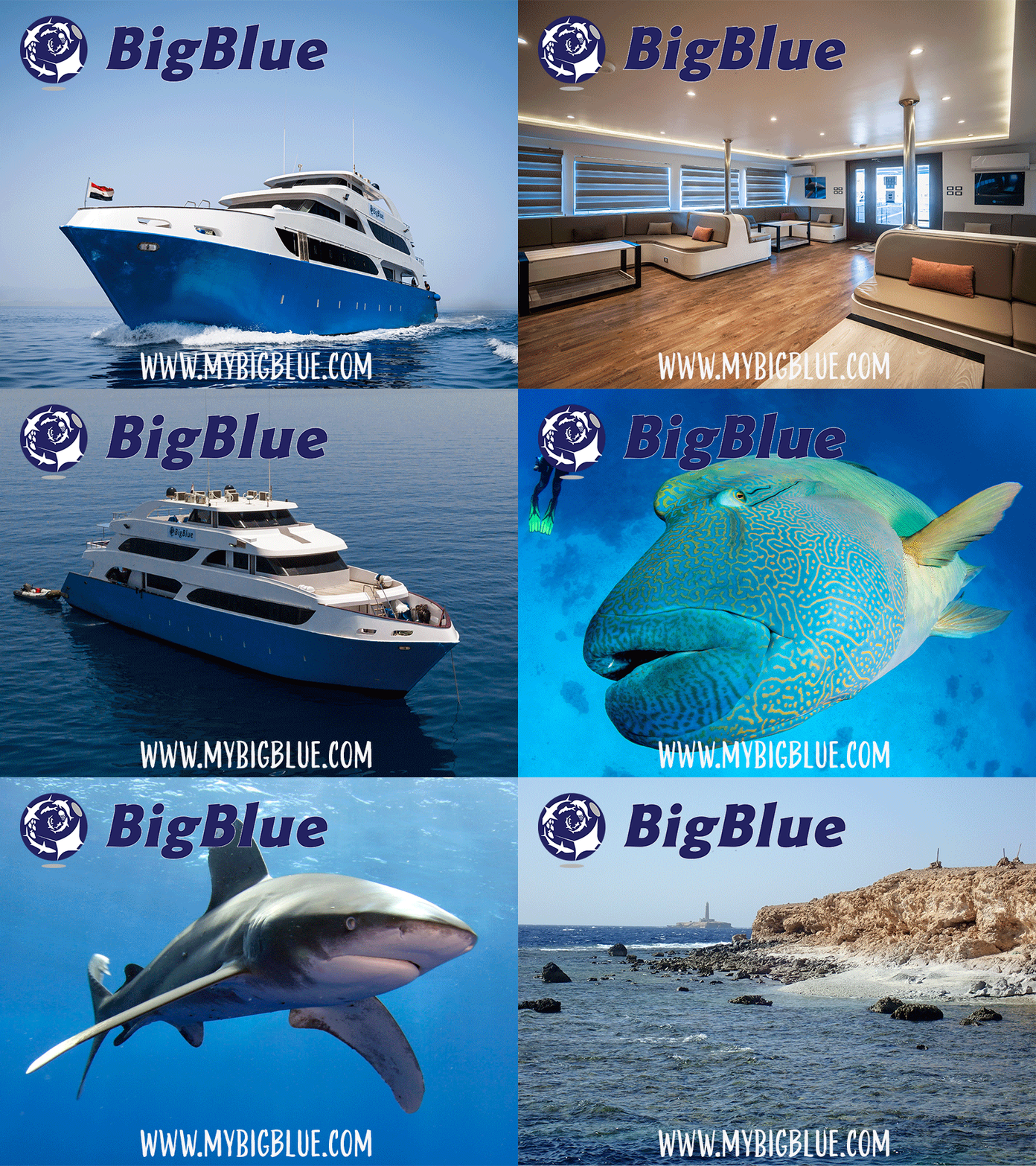

The Americas
From warm, shallow reefs to ice-cold wrecks and freshwater caverns, the Americas offer an incredibly diverse range of scuba diving experiences.
In the USA, the Florida Keys are a major draw, with clear waters, coral reefs, historic shipwrecks, and easy access to diving for all levels. The Keys are also home to the Florida Reef Tract, the third-largest barrier reef system in the world. On the Pacific coast, California offers iconic diving at Catalina Island and Monterey Bay, where kelp forests teem with life and sea lions often join the dive. Further north, Puget Sound in Washington is known for its cold-water diving and fascinating marine creatures like giant Pacific octopuses and wolf eels. In the Midwest, Michigan’s Great Lakes host some of the best-preserved freshwater wrecks on the planet. Hawaii’s volcanic underwater landscapes add another dimension, with lava tubes, reef sharks, and manta ray night dives.
Mexico is one of the region’s top dive destinations. The Riviera Maya boasts vibrant Caribbean reefs and the unique cenotes—freshwater caverns with crystal-clear visibility and surreal light effects. Cozumel offers classic drift diving and excellent visibility year-round, while the Pacific coast hosts big-animal encounters in places like Socorro and Cabo Pulmo.
Further south, Belize has healthy coral systems and the famous Blue Hole. Honduras, particularly Utila and Roatán, is a favourite among budget-conscious divers and those seeking whale sharks. Costa Rica’s Cocos Island offers some of the best shark diving in the world. The Galápagos Islands, off Ecuador, are unmatched for biodiversity and pelagic encounters, including hammerheads, mola mola, and marine iguanas.
Canada rounds out the region with impressive cold-water diving, from the rich marine life of British Columbia to the historic wrecks of the St. Lawrence River and the Atlantic provinces.
Discover more